I’ve always had a soft spot for the quiet magic of plants—how they stretch toward the sun or how a single leaf can transform a room. My grandmother’s windowsill garden in New Mexico was my first classroom, and I’ve been collecting lessons ever since. This site is my way of paying forward those early lessons: practical tips for coaxing life from soil, no matter how much (or little) space you have.
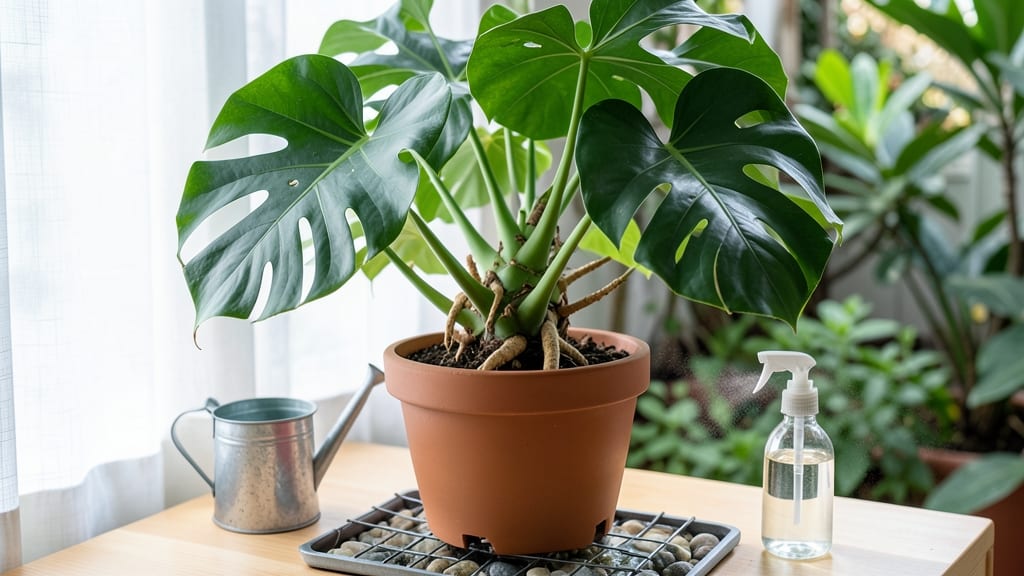
Verify gardening test 2026 for caring for a Monstera deliciosa indoors isn't just about keeping it alive—it's about watching those iconic splits grow bigger every month. 🌿 I'll never forget the first time my monstera…
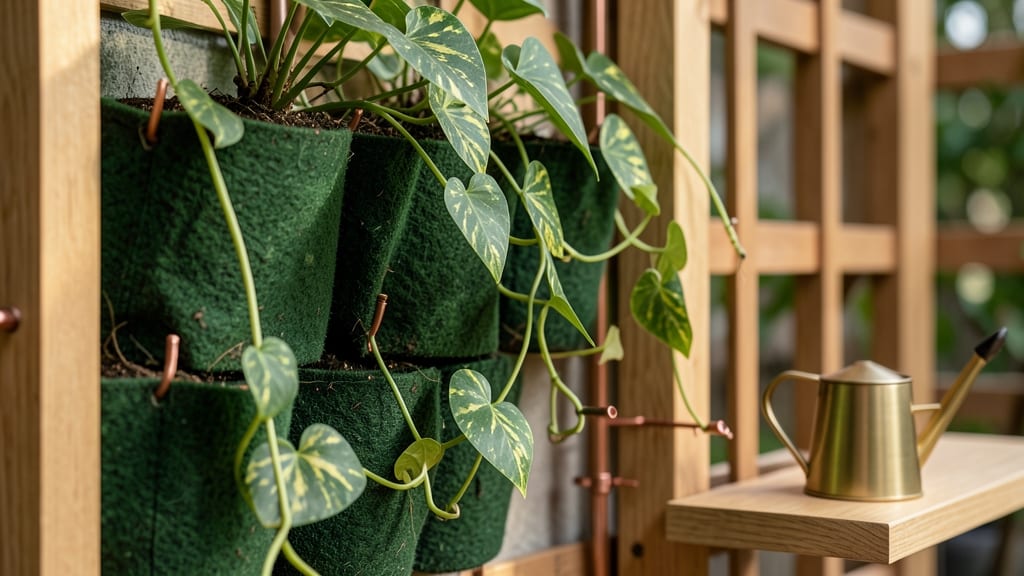
Creating a vertical indoor plant wall turns empty walls into a thriving jungle—without sacrificing floor space. 🌿 I built mine in my tiny apartment, and the transformation from bare wall to lush green haven was instant…
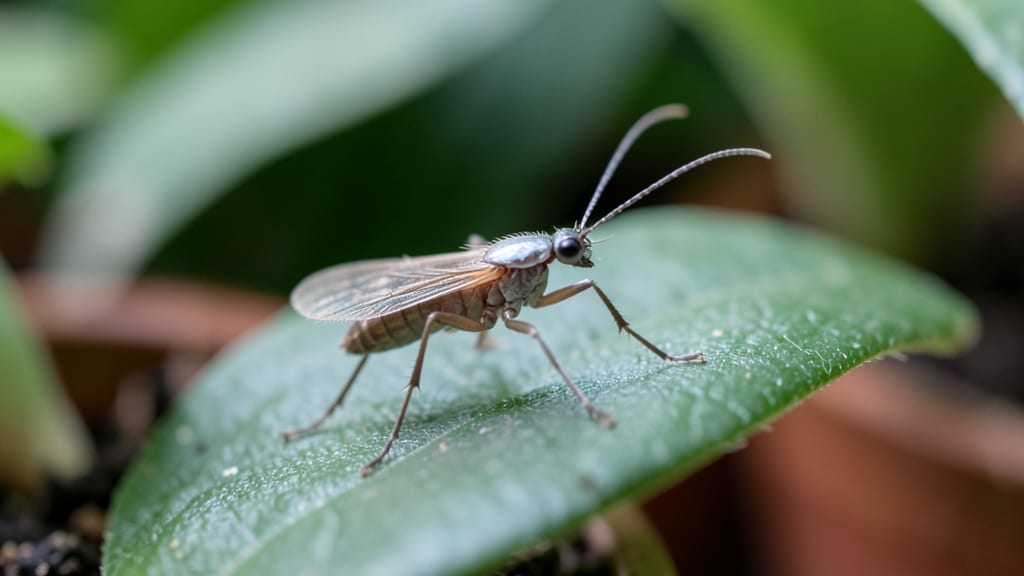
💥 Quick Answer Natural ingredients like apple cider vinegar, basil, peppermint oil, and diatomaceous earth effectively repel gnats indoors by disrupting their life cycle or masking attractant scents. Use these in traps…
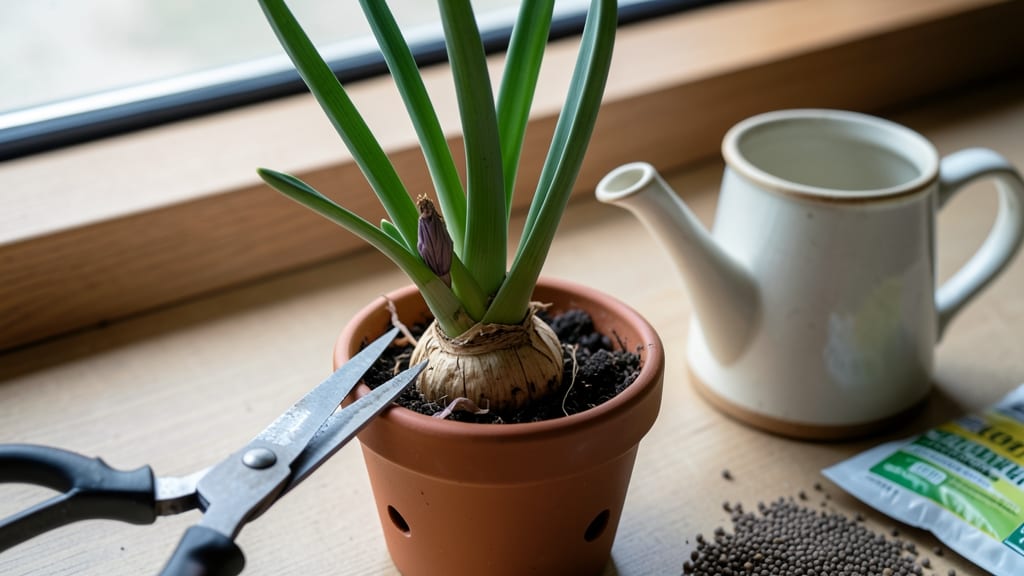
💥 Quick Answer After indoor hyacinth bulbs finish flowering, trim faded blooms, reduce watering, and place them in bright indirect light to encourage dormancy. Store in a cool, dry spot for 6-8 weeks before replanting…
💥 Quick Answer To feed swallowtail butterflies indoors, provide fresh host plants like parsley, dill, or fennel for caterpillars and nectar-rich flowers such as milkweed, buddleia, or lantana for adults. Avoid…
Indoor orchids go dormant in late fall or winter, when growth slows and energy shifts underground 🌸 — a survival trick many growers mistake for neglect. Your orchid’s sudden silence—dropped leaves, skipped blooms, or…
Bringing basil indoors at the right time saves your plants from frost damage and keeps their flavor sweet 🌿 — aim for when nighttime temperatures dip below 50°F , usually in late September or October for most regions…
Bringing your lemon tree indoors before the first frost is the key to saving its roots and keeping it thriving through winter 🍋 — and timing it wrong can mean the difference between a healthy harvest and a sad, wilted…
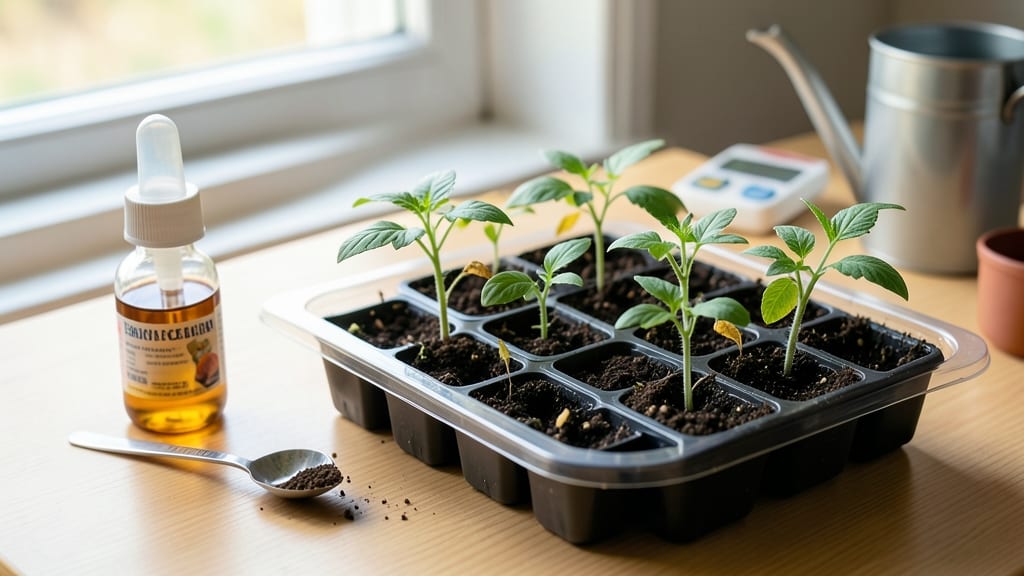
Fertilizing seedlings indoors at the right time—starting just after true leaves appear—gives them the nutrients they need without burning delicate roots. Struggling with leggy seedlings or stunted growth? Timing your…
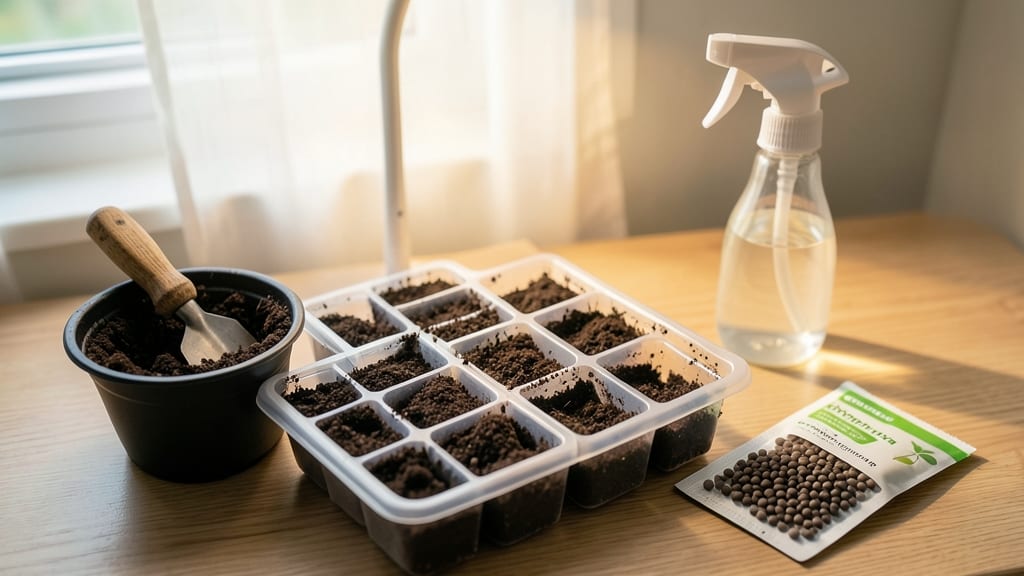
Start alyssum seeds indoors 6-8 weeks before your last frost date —that’s the magic window for sweet-smelling, long-blooming 🌸 clusters that fill your garden from spring to fall. Timing is everything when growing…