
How To
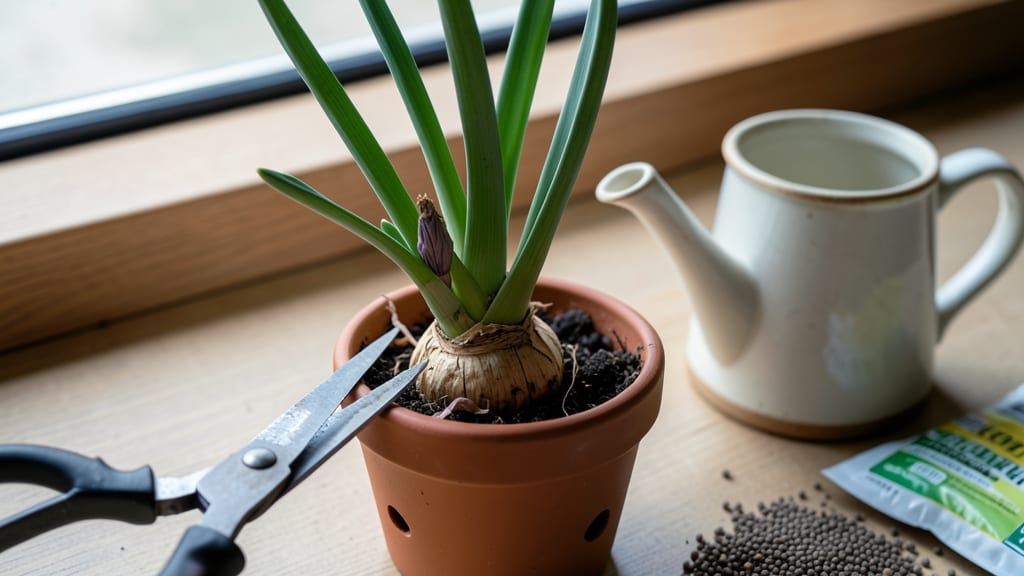
After indoor hyacinth bulbs finish flowering, trim faded blooms, reduce watering, and place them in bright indirect light to encourage dormancy. Store in a cool, dry spot for 6-8 weeks before replanting in spring for another bloom cycle.
When your indoor hyacinths stop blooming, they're actually preparing for their next growth phase—dormancy. 🌱 The key is helping them along by cutting back the spent flower stalks and letting the leaves continue photosynthesizing until they yellow naturally. This process recharges the bulb's energy stores for next year's show.
I've found that storing them in a paper bag with a bit of peat moss (not plastic) prevents rot while maintaining just enough moisture, and this simple step makes all the difference when replanting time comes.
What many gardeners don't realize is that hyacinth bulbs need this rest period to develop strong roots before spring. Without proper dormancy, they'll often produce weak stems or no flowers at all.
The 6-8 week storage window is critical—any shorter risks waking them too early, while longer storage can dry out the bulbs. I recommend checking on them monthly to ensure no mold develops, especially if you're storing them in a basement or garage.
Once spring arrives, these revived bulbs will reward you with even more vibrant blooms if you plant them in well-draining soil with plenty of organic matter. The secret to success lies in patience during dormancy and proper timing when replanting—both are essential for that spectacular floral display you love.
💡 In This Article
- Understanding Hyacinth Bulb Dormancy and Revival Process
- Step-by-Step Guide to Replanting Hyacinth Bulbs Outdoors
Understanding hyacinth bulb dormancy and revival process
Hyacinth bulbs enter dormancy as a natural survival mechanism after flowering, triggered by decreasing daylight hours and cooler temperatures. This process allows the bulb to conserve energy while storing nutrients in its scales for next year's growth.
During dormancy, the bulb's metabolic rate drops dramatically—similar to how a bear hibernates—but unlike animals, bulbs don't eat or drink. Instead, they rely on the carbohydrates and nutrients they've accumulated during the growing season.
The leaves, which may still appear green, continue photosynthesizing until they yellow naturally, transferring vital sugars back into the bulb.
The temperature threshold for dormancy typically falls between 50-60°F, which is why many gardeners move their potted hyacinths indoors after flowering. At these cooler temperatures, the bulb's growth hormones shift from promoting flower production to root development.
Light exposure during dormancy should be bright but indirect—think 12-14 hours of light daily—to maintain minimal metabolic activity without triggering premature growth. Too much direct sunlight can cause the bulb to "think" it's spring and wake up too early, while insufficient light weakens the bulb's stored energy reserves.
What most people overlook is the critical role of humidity during storage. Hyacinth bulbs need just enough moisture to prevent shriveling but not so much that they rot.
A paper bag with a few holes and a sprinkle of peat moss or vermiculite creates the perfect microclimate—maintaining about 40-50% humidity while allowing airflow. Plastic containers trap too much moisture, creating conditions ideal for fungal growth, while completely dry storage can cause the bulb's protective layers to crack.
I've seen bulbs stored in these conditions develop firm, plump bases ready for replanting, while those stored in plastic often arrived mushy and unusable.
The 6-8 week dormancy period is a biological necessity for hyacinths. This timeline aligns with their natural growing cycle in Mediterranean climates, where they experience dry summers. During this time, the bulb's root system begins regenerating, though you won't see visible roots yet.
The key is consistency—maintaining stable temperatures and moisture levels prevents stress that could weaken the bulb. I've noticed that bulbs stored at 40°F or below may take slightly longer to revive in spring, while those kept around 55°F often show new growth within 4-6 weeks of replanting.
An interesting scientific detail is how hyacinth bulbs regulate their own dormancy through a process called "thermo-inhibition." When exposed to temperatures below 50°F for several weeks, the bulb's cells produce specific proteins that inhibit growth until conditions improve.
This built-in mechanism explains why hyacinths often bloom more reliably after proper dormancy—they've essentially "reset" their biological clocks.
The nutrient stores in the bulb's scales, particularly starches converted from leaf photosynthesis, fuel this revival process, which is why it's crucial not to remove leaves until they've completely yellowed and died back.
Here's what happens when you skip dormancy: The bulb may produce weak stems with fewer flowers, or in worst cases, fail to bloom at all. I've experimented with replanting hyacinths immediately after flowering without dormancy, and while they survived, the blooms were sparse and the plants looked stressed.
The lesson? Patience during dormancy pays off with stronger, more vibrant blooms the following season. This biological cycle mirrors what we see in nature with wild hyacinths—those that experience proper seasonal changes produce the most robust displays.