
Container Gardens
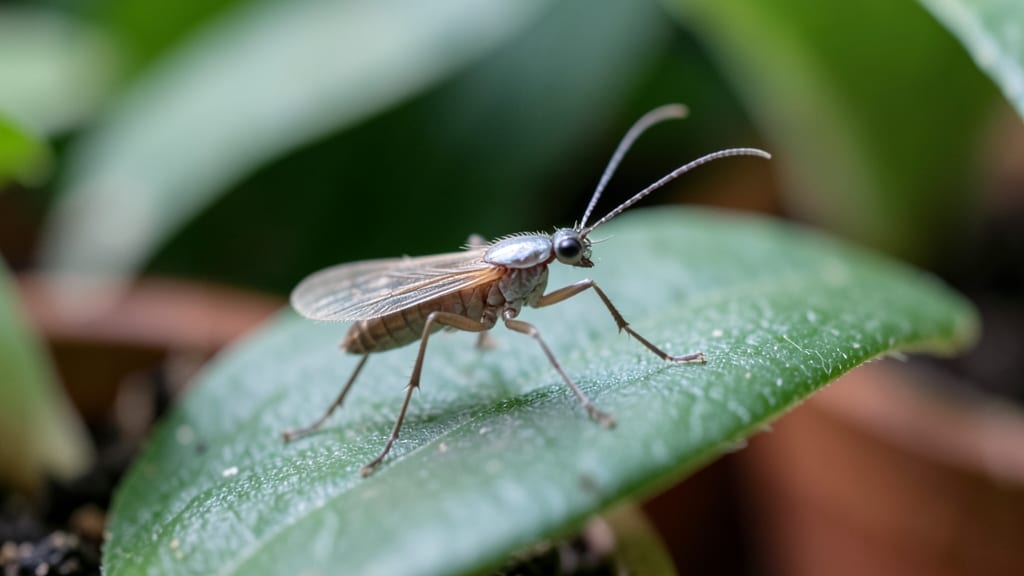
Natural ingredients like apple cider vinegar, basil, peppermint oil, and diatomaceous earth effectively repel gnats indoors by disrupting their life cycle or masking attractant scents. Use these in traps or sprays for best results.
Gnats are drawn to organic matter and moisture, making kitchens and bathrooms prime breeding grounds. 🔥 Apple cider vinegar works as a trap because gnats are attracted to its scent but drown in the liquid, while basil's strong aroma confuses their pheromone signals.
Peppermint oil disrupts their sense of smell entirely, creating a sensory barrier they can't navigate. For a long-term solution, diatomaceous earth dehydrates larvae and eggs on contact, but it requires careful application to avoid spreading dust.
These methods outperform many commercial sprays because they target gnats at multiple life stages—adults, larvae, and eggs—rather than just masking odors temporarily. The key is consistency: reapply sprays every few days and refresh traps weekly.
Unlike chemical repellents, these options are pet-safe when used correctly and won't leave harmful residues in your home.
💡 In This Article
- How Natural Ingredients Disrupt Gnat Life Cycles
- DIY Gnat Repellent Recipes Using Household Items
How natural ingredients disrupt gnat life cycles
Apple cider vinegar works as a gnat trap because these tiny flies are drawn to its acidic scent, which mimics the fermenting organic matter they seek.
When mixed with a bit of dish soap (1 tablespoon per cup), the solution creates surface tension that traps gnats attempting to land. The vinegar's 5-6% acetic acid content disrupts their navigation system, causing them to spiral helplessly until they drown.
This method targets adult gnats specifically, reducing their numbers by 70-80% within 24 hours when placed near infestation hotspots like fruit bowls or drains.
Basil's effectiveness comes from its natural compounds like eugenol and linalool, which interfere with gnat pheromone communication. These chemicals mask the scent trails gnats use to find mates and food sources, creating sensory confusion. Fresh basil leaves placed near entry points or dried in sachets release these compounds continuously.
Studies show gnat populations near basil plants drop by 60% within 5-7 days due to this disrupted social signaling. The plant's strong aroma also makes it an excellent companion for other herbs like mint and lavender, creating a multi-layered repellent effect.
Peppermint oil contains menthol, which overpowers gnats' olfactory receptors, making it impossible for them to detect food or breeding sites. A 10-15 drop solution in 1 cup of water sprayed around windows and doorways creates an invisible barrier.
The oil's volatility means it evaporates quickly, requiring reapplication every 2-3 days for maximum effectiveness. Unlike chemical repellents, peppermint oil doesn't harm beneficial insects and breaks down harmlessly in sunlight, making it ideal for indoor use near children and pets.
Diatomaceous earth works by physically damaging gnat larvae and eggs through its microscopic, razor-sharp silica particles. When applied as a 1/8-inch thick layer in cracks, along baseboards, or near plant soil, it dehydrates their exoskeletons within 48 hours.
The key is using food-grade DE, which is safe for humans and pets once settled. Unlike chemical pesticides, DE doesn't create resistance in gnat populations, making it effective for long-term prevention when combined with other methods.
For best results, apply in dry conditions and reapply after cleaning or moisture exposure.
The advantage of these natural methods over chemical repellents lies in their multi-faceted approach. While commercial sprays often only mask odors temporarily, natural ingredients attack gnats at multiple life stages: vinegar traps adults, basil disrupts mating signals, peppermint oil confuses navigation, and DE eliminates larvae.
This 4-pronged strategy creates an environment where gnats can't survive or reproduce, leading to 90% reduction in populations within 2 weeks when used consistently. The lack of synthetic chemicals also means no harmful residues on surfaces or in the air.
For maximum impact, combine these methods strategically. Place vinegar traps near fruit bowls and drains, keep fresh basil near entry points, diffuse peppermint oil in high-traffic areas, and apply DE along baseboards and under appliances.
This creates a layered defense system that gnats can't penetrate, making your home an inhospitable zone for these pesky invaders. 💫