
Container Gardens
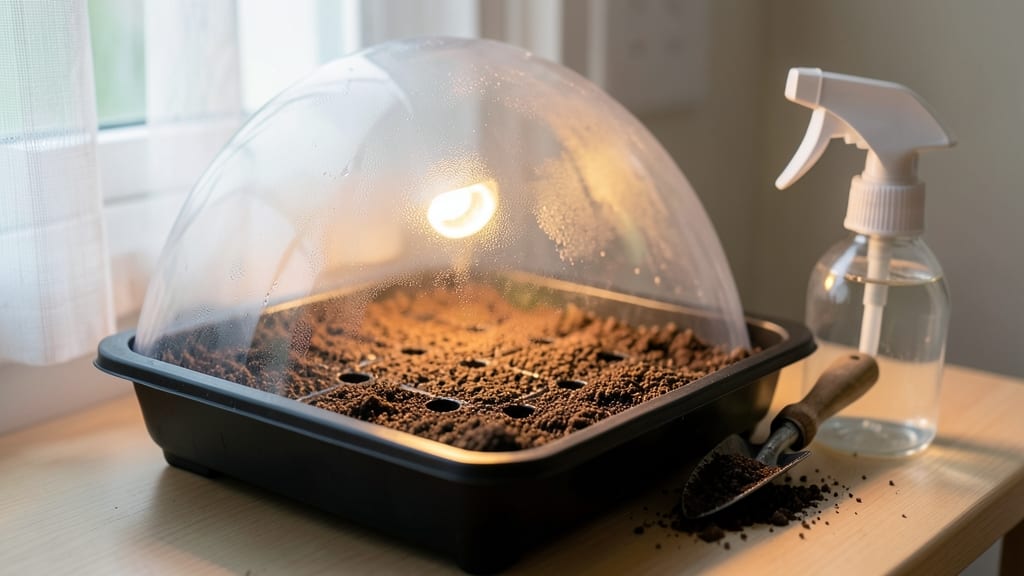
Planting petunia seeds indoors is how you get a head start on summer's most vibrant blooms. 🌱 Last spring, I went from bare soil to a patio overflowing with petunias by starting seeds in February—something I'd never attempted before.
The secret lies in warmth, patience, and just enough light to coax those tiny seeds awake.
You'll need a sunny windowsill, seed-starting mix, and small containers with drainage. Petunias love warmth (70-75°F) and consistent moisture, but here's the trick: don't let them sit in soggy soil.
A spray bottle and clear plastic wrap create the perfect humidity dome until those first green shoots appear in about 7-14 days.
By late May, your seedlings will be sturdy enough to transplant outside. Imagine the thrill of seeing those first blooms—bright pinks, purples, and whites—just when your garden needs a splash of color. The key is gradual hardening off (acclimating to outdoor conditions) to prevent shock.
This method works for any petunia variety, from trailing cascades to bushy mounds. The only real mistake is rushing—petunias are slow starters but reward patience with months of blooms. Ready to give it a try?
📚 In This Guide
- What you need
- Instructions
- Tips and common mistakes
- Wrapping up and next steps
What you need
- ● Petunia seeds – Choose high-quality, heirloom, or hybrid varieties (e.g., Surfinia, Wave, or Tiny T Tim). Aim for 1-2 seeds per cell if using trays.
- ● Seed-starting trays or containers – 2-4 inch deep with drainage holes (e.g., plastic cell packs, biodegradable pots, or repurposed egg cartons).
- ● Seed-starting mix – A lightweight, sterile mix (e.g., 50% peat moss + 50% perlite or a pre-mixed seed-starting soil). Avoid garden soil—it’s too dense!
- ● Grow lights or a sunny windowsill – Petunias need 12-16 hours of light daily. A full-spectrum LED grow light (12-18 inches above seedlings) works best.
- ● Misting bottle or spray nozzle – For gentle watering to avoid displacing seeds.
- ○ Clear plastic dome or plastic wrap – To create a humidity tent (optional but helpful for germination).
- ○ Small fan (optional but recommended) – A gentle breeze (on low) prevents damping off (a fungal disease).
- ● Heat mat – Speeds up germination (keep soil at 70-75°F).
- ● Fertilizer – A balanced, water-soluble fertilizer (e.g., 10-10-10) at half-strength after true leaves appear.
- ● Plant labels or toothpicks – To track varieties and avoid mix-ups.
- ● Tweezers – For precise seed placement (petunia seeds are tiny!).
- ● Humidity tray – A shallow tray with water and pebbles to boost moisture levels.
Step-by-Step instructions for planting petunia seeds indoors
Here’s how to get those delicate petunia blooms off to a flying start—no fancy tools needed.
🌱 Step 1: Prepare Your Seed-Starting Containers
Use small pots or cell packs that are at least 2-3 inches deep—petunia seeds need room to spread roots without crowding. I like to fill them with a light, sterile seed-starting mix (never garden soil—it’s too heavy and can rot seeds). Moisten the mix until it feels like a damp sponge, but not dripping wet. Tap the containers gently to settle the soil evenly.
Don’t compact the soil too tightly—petunia seedlings need air around their roots to grow strong. If you’re using clear plastic cell packs, you can skip the transplanting step later by planting one seed per cell. Label each pot with the variety and date—petunias grow fast, and you’ll want to keep track of when they’re ready for the garden.
💧 Step 2: Plant the Tiny Seeds Correctly
Petunia seeds are tiny—almost dust-like—so I use a toothpick to place them one at a time on the soil surface. Scatter 2-3 seeds per cell or pot since not all will germinate. Cover them with just a thin dusting of soil (no more than 1/8 inch deep
Here’s the thing—petunia seeds need warmth to germinate. Place the pots in a warm spot, like on top of the fridge or near a heat mat set to 70-75°F. Cover the pots loosely with plastic wrap or a humidity dome to trap moisture. Check daily for condensation—if the wrap fogs up, lift it for 10 minutes to let excess moisture escape. Germination takes 7-14 days, depending on warmth and humidity. You’ll see the first tiny sprouts poking through the soil—those are the first true leaves you’re waiting for. Once they appear, remove the plastic wrap immediately to prevent mold. Keep the soil moist but not soggy; petunia seedlings wilt fast if they dry out. Move the seedlings under a grow light or to the brightest window you have (south-facing is best). Petunias need 12-14 hours of light daily to grow sturdy. If they stretch toward the light with long, weak stems, your light isn’t strong enough—adjust it to within 2-3 inches of the seedlings. Rotate the pots daily so they grow straight, not lopsided. When seedlings have 2-3 sets of true leaves (not just the initial baby leaves), thin them to the strongest one per cell or pot. Use scissors to snip the weakest stems at the base—this prevents disturbing the roots of the ones you’re keeping. Water gently at the base to avoid washing away soil or spreading disease. Petunias love humidity but hate soggy roots. Water only when the top ½ inch of soil feels dry. Fertilize lightly with a diluted balanced liquid fertilizer (like 10-10-10) every 2-3 weeks once they’ve grown their second set of leaves. Harden them off outdoors for 1-2 weeks before transplanting, gradually increasing their time outside each day.☀️ Step 3: Provide Warmth and Light for Germination
🌿 Step 4: Thin and Care for Strong Seedlings
Tips & tricks for planting petunia seeds indoors
Took me a while to figure out these little tricks that make all the difference with petunia seeds—here's what nobody tells you.
Soil Aeration Matters: In Step 1, when you're preparing your containers, avoid pressing down the soil too firmly. Petunia roots need air circulation to prevent rot. I use a toothpick to gently poke holes in the soil after planting—this helps oxygen reach the seeds without disturbing them. Think of it like giving your future blooms a breath of fresh air from day one.
Light Source Strategy: For Step 3, if you don't have a grow light, place your seedlings on a windowsill facing south. But here's the thing—if your seedlings start stretching toward the light with long, leggy stems, they're begging for more intensity. Move them within 2-3 inches of the light source and rotate them daily. This creates stocky plants that won't flop over when you transplant them later.
Germination Warmth Hack: The instructions mention 70-75°F for germination, but I've found that placing the pots on top of my fridge (which stays around 75°F) works perfectly. If your home is cooler, consider using a seedling heat mat set to 75°F—this consistent warmth is what triggers those first sprouts to appear within that 7-14 day window.
Thinning Technique: When you reach Step 4 and need to thin your seedlings, use clean, sharp scissors to snip the unwanted stems at the base rather than pulling them out. This prevents disturbing the roots of your chosen seedlings and reduces the risk of disease entering through open wounds. I also recommend thinning on a cloudy day when humidity is naturally higher—your plants will thank you!
Pro Tips for Planting Petunia Seeds Indoors
- Took me a while to figure out these little tricks that make all the difference with petunia seeds—here's what nobody ...
- Soil Aeration Matters: In Step 1, when you're preparing your containers, avoid pressing down the soil too firmly. Pet...
- Light Source Strategy: For Step 3, if you don't have a grow light, place your seedlings on a windowsill facing south....
Frequently asked questions
Got questions about starting petunia seeds indoors? You’re not alone! Here are some of the most common concerns—and their solutions—to help you grow vibrant blooms with confidence.
When is the best time to plant petunia seeds indoors?
For most climates, start seeds 8–10 weeks before your last frost date. This gives seedlings enough time to grow sturdy before transplanting outdoors. Check your local frost dates—petunias thrive in warm soil (at least 55°F/13°C) and won’t tolerate cold.
How long does it take for petunia seeds to germinate?
Petunia seeds are slow starters! Germination can take 14–30 days (sometimes longer) due to their tiny size and hard outer coating. Keep soil consistently moist (not soggy) and patient—warmth (70–75°F/21–24°C) speeds up the process. A heat mat can help if your home runs cool.
Why aren’t my petunia seeds sprouting? Troubleshooting tips.
If seeds aren’t germinating, check these fixes:
- Light: Seeds need bright, indirect light (no direct sun yet). Use a grow light if natural light is weak.
- Moisture: Keep soil damp but avoid waterlogging—use a spray bottle to mist gently.
- Temperature: Cooler homes (<60°F/15°C) slow germination. Try a seedling heat mat or move trays to a warmer spot (like near a sunny window).
- Patience: Some seeds take up to 6 weeks—don’t give up!
If still no luck, test a few seeds in fresh, sterile soil to rule out old or low-quality seeds.
Can I plant petunia seeds directly outside instead of indoors?
Petunias hate cold soil, so direct outdoor sowing is risky unless you live in a tropical or frost-free zone. If you skip indoor starting, plant seeds after all frost danger has passed and keep them well-watered and mulched to protect roots. However, indoor starts give you a head start and stronger plants!
What’s the difference between petunia seeds and seedlings?
Seeds are cheaper but require patience and care; seedlings (young plants) are convenient and bloom faster (6–8 weeks vs. 12+ weeks from seed). Seedlings cost more but skip the germination wait. For beginners, seedlings are often the easier choice—but growing from seed is rewarding and lets you choose rare varieties!
How do I harden off petunia seedlings before transplanting?
Acclimate seedlings over 7–10 days by gradually exposing them to outdoor conditions:
- Start with 1–2 hours of shade on a mild day, then increase time daily.
- Move to morning sun first, then afternoon sun as they toughen up.
- Avoid harden-off during heatwaves or cold snaps—wait for stable weather.
This prevents shock and helps seedlings thrive in their new home!
Wrapping up and next steps
Growing petunia seeds indoors is a rewarding way to jumpstart your summer garden with vibrant, blooming beauty! 🌱 By following these simple steps—from gathering the right materials to nurturing your seedlings—you’re setting the stage for a dazzling display.
Remember, patience and consistency are key, and soon you’ll be transplanting thriving plants ready to burst into color.
Now that you’re armed with knowledge, take the next step: grab those seeds and start your indoor garden today! Whether you’re a seasoned gardener or a curious beginner, your petunias will thank you with a spectacular show. Happy planting! 🌸