
Container Gardens
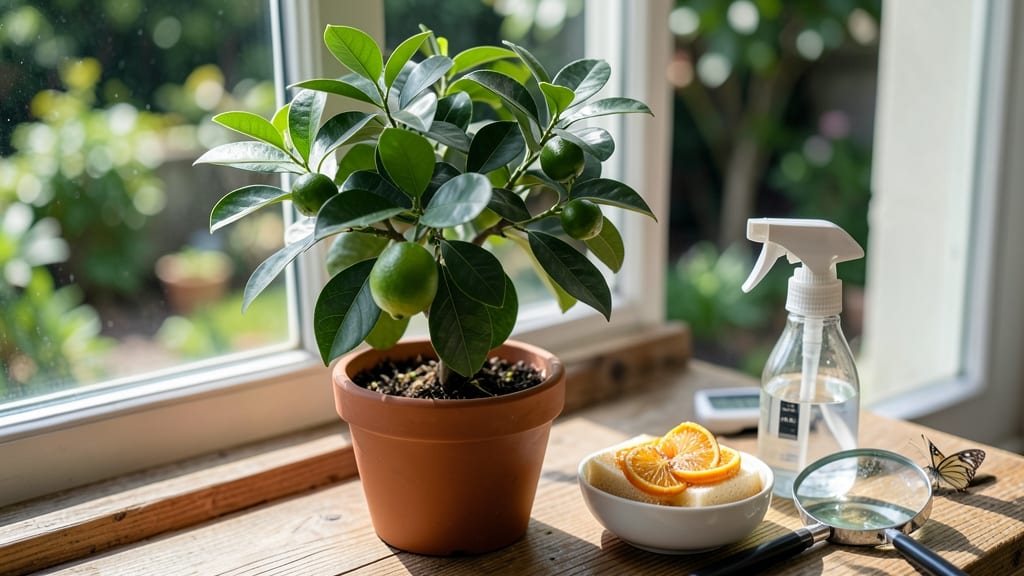
To feed swallowtail butterflies indoors, provide fresh host plants like parsley, dill, or fennel for caterpillars and nectar-rich flowers such as milkweed, buddleia, or lantana for adults. Avoid pesticides and provide moisture for hydration.
Swallowtail caterpillars need specific host plants to thrive indoors because these plants contain the essential nutrients and chemical compounds their larvae require for growth. 🌿 For instance, parsley and dill are packed with coumarins, which act as natural growth stimulants, while citrus leaves provide the right balance of oils caterpillars crave.
Adult butterflies, on the other hand, thrive on nectar from flowers like milkweed or buddleia, which offer both energy and hydration—critical for their short adult lifespan.
I always keep a small potted milkweed nearby since it doubles as a host plant for monarchs too, making it a versatile addition to any indoor butterfly garden.
Creating a balanced feeding environment indoors also means monitoring moisture levels.
A shallow dish with damp sand or a sponge provides the perfect hydration spot for adults, while misting host plants keeps them fresh and appealing. 💫 The key is variety—caterpillars may reject wilted leaves, so rotating fresh foliage every few days ensures they stay nourished and healthy.
💡 In This Article
- Essential Host Plants for Swallowtail Caterpillars Indoors
- Best Nectar Sources to Attract Adult Swallowtail Butterflies
Essential host plants for swallowtail caterpillars indoors
Swallowtail caterpillars require specific host plants because their survival depends on the unique chemical compounds these plants produce. For example, parsley and dill contain coumarins, a group of organic compounds that act as natural growth stimulants for swallowtail larvae.
These compounds are so critical that caterpillars will often reject other plants even if they're hungry. The leaves also provide the right balance of nitrogen and carbohydrates—caterpillars need about 10-15% of their body weight in food daily to grow properly.
The leaf chemistry matters too. Citrus leaves, for instance, contain limonene, an oil that swallowtail caterpillars find irresistible.
When you crush a citrus leaf, the released aroma triggers their feeding instincts. 🌿 However, not all citrus works—they prefer orange, lemon, or lime leaves over grapefruit, which has a different oil profile. Freshness is key: wilted leaves lose these essential oils within 24-48 hours, making them less appealing.
I always harvest leaves from pesticide-free plants and store them in a sealed container with a damp paper towel to preserve their potency.
Creating an indoor feeding station requires more than just offering plants—it's about mimicking their natural environment. Swallowtail caterpillars need 3-4 inches of fresh foliage daily per caterpillar, arranged in a way that mimics their natural climbing behavior.
Place leaves on a low tray or mesh screen to prevent mess while allowing the caterpillars to move freely. The texture of the leaves matters too: younger, softer leaves are easier for them to consume, while tougher stems should be avoided unless finely chopped.
One common mistake is assuming all umbelliferous plants (like carrot tops) will work—they won't. Swallowtail caterpillars have specific chemical markers they recognize.
For example, Queen Anne's lace (wild carrot) contains the right coumarins, but cultivated carrot tops often lack sufficient concentrations due to selective breeding. 💫 If you're growing your own host plants indoors, consider using flat-leaf parsley or coriander as they're more reliable sources than curly parsley, which can be too fibrous for young caterpillars.
Temperature plays a subtle but important role too. Swallowtail caterpillars thrive in 70-75°F environments—cooler temperatures slow their metabolism, while heat above 80°F can stress them. This is why indoor setups often need supplemental lighting or heating mats during cooler months.
The humidity level should stay between 50-60% to prevent leaf dehydration, which is why misting systems or humidity trays become essential in dry indoor climates.
For those raising multiple caterpillars, consider creating a rotating feeding schedule. Offer parsley in the morning, dill in the afternoon, and citrus leaves in the evening to provide varied nutrition. This rotation prevents nutritional deficiencies and mimics their natural foraging patterns.
The caterpillars will often leave behind frass (excrement), which can be removed with a soft brush to keep their environment clean—a must for maintaining healthy growth rates.