
Pruning
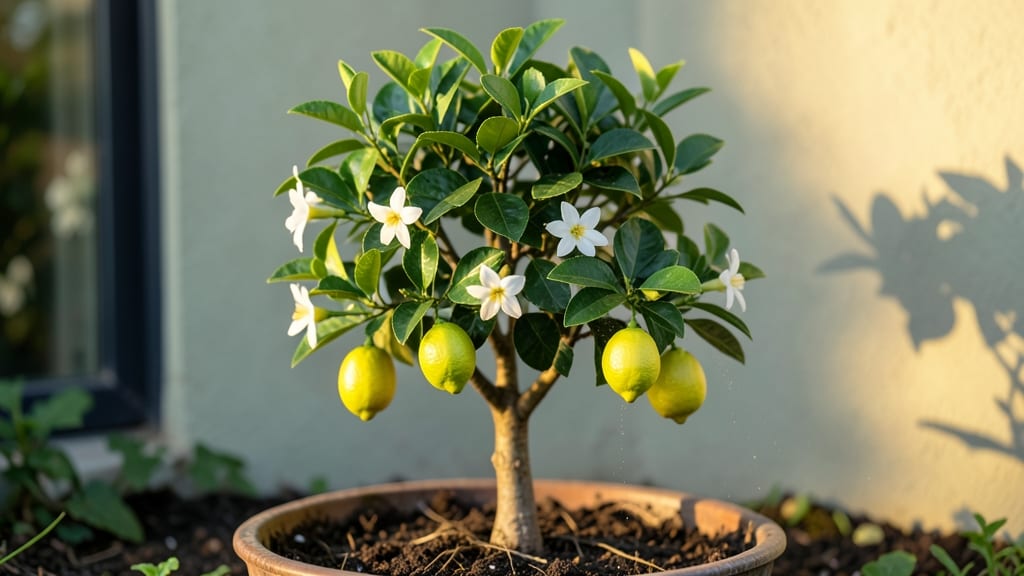
Growing a mini lemon tree indoors means fresh citrus year-round, but pruning makes the difference between a scraggly bush and a productive, fruit-bearing treasure. 🌱 I’ve wrestled with leggy branches and sparse blooms—until I discovered these three simple pruning secrets that transformed my kitchen tree into a reliable lemon producer.
The key isn’t just cutting back; it’s timing, technique, and encouraging the right growth. You’ll shape your tree to stay compact, stimulate new branches where flowers form, and avoid the common mistake of over-pruning in winter.
My tree now produces 6-8 lemons annually, and the process takes less than 15 minutes every 3 months. You’ll end up with a tree that fits your windowsill, blooms reliably, and actually bears fruit—not just pretty leaves. The best part?
No more guessing: I’ll walk you through exactly when, where, and how to prune for maximum citrus payoff. Works for Meyer lemons, Eureka varieties, or any dwarf citrus—just adjust the timing to your climate. Let’s get those branches in shape!
📚 In This Guide
- What you need
- Instructions
- Tips and common mistakes
- Wrapping up and next steps
What you need
- ● Mini lemon tree (Citrus × limon) – Choose a dwarf or Meyer lemon variety (4–6 inches tall is ideal).
- ● 6–8 inch pot – Ensure it has drainage holes (terracotta or ceramic works best).
- ● Well-draining potting mix – A blend of cactus/succulent mix + perlite + compost (ratio: 2:1:1).
- ● Grow lights or sunny windowsill – South-facing windows or a 12–16 hour LED grow light daily.
- ● Watering can with a narrow spout – For precise hydration (avoid soggy soil!).
- ● Pruning shears – Sharp, clean tools (sterilize with rubbing alcohol).
- ● Balanced citrus fertilizer – 10-10-10 or organic options like fish emulsion (diluted to half-strength).
- ● Humidity tray or pebble tray – Helps maintain 40–60% humidity (especially in dry climates).
- ● Rooting hormone – Speeds up propagation if you plan to grow cuttings.
- ● Support stake or trellis – For taller varieties (if needed).
- ● pH test kit – Ideal soil pH for lemons: 6.0–7.0.
- ● Citrus-specific pruning paste – Seals cuts and prevents disease.
- ● Automatic timer – For consistent grow light schedules.
Step-by-step guide to growing a thriving mini lemon tree indoors
Here's how to coax a healthy, fruit-bearing lemon tree from a nursery plant—no greenhouse required.
🌱 Step 1: Select and Prepare Your Tree for Indoor Life
Choose a dwarf variety like 'Meyer' or 'Improved Meyer'—these stay compact indoors and bear fruit reliably. Inspect the roots before buying; healthy trees have white, fibrous roots, not brown or mushy ones. I always repot immediately after purchase into a 10-12 inch pot with fresh well-draining citrus potting mix (never garden soil).
Fill the pot halfway with mix, then gently loosen the root ball before placing the tree in. The top of the root ball should sit 1 inch below the pot rim—this prevents stem rot from overwatering. Tap the pot gently to settle the soil, then water thoroughly until water runs freely from the drainage hole. Let it drain completely before placing in its permanent spot.
☀️ Step 2: Position for Optimal Light and Temperature
Mini lemon trees need 6-8 hours of direct sunlight daily. A south-facing window is ideal, but east or west works too. I supplement with a grow light on a timer during winter when days shorten. Keep the tree within 2-3 feet of the light source—any farther and growth slows dramatically.
Maintain temperatures between 65-75°F during the day and never below 55°F at night. Drafts from windows, doors, or vents cause stress. You'll know your tree is happy when it produces new leaves every 2-3 weeks and flowers appear after 6-12 months of care.
💧 Step 3: Water and Fertilize for Consistent Growth
Water when the top 2-3 inches of soil feel dry—stick your finger in to check. Overwatering is the #1 killer of indoor citrus; soggy soil suffocates roots. I water deeply until water flows from the drainage hole, then empty the saucer immediately to prevent root rot. During winter, reduce watering to every 10-14 days as growth slows.
Feed every 4-6 weeks with a balanced citrus fertilizer (6-6-6 or 8-8-8 ratio). I cut the dose in half during winter months. You'll see vigorous new growth and brighter leaves within weeks—this is your sign the tree is thriving. Flush the soil with plain water every 6 months to prevent salt buildup from fertilizer.
✂️ Step 4: Prune Using the 3 Secret Techniques
First, prune to shape in late winter or early spring before new growth starts. Remove any dead, crossing, or inward-growing branches with clean, sharp pruners. I always cut just above a leaf node at a 45-degree angle—this encourages faster healing and new growth.
Second, thin out crowded branches to improve airflow. Aim for an open, vase-like shape with the widest part at the top. Third, pinch back the tips of new growth in summer to encourage bushier growth. You'll know you've pruned correctly when the tree has 3-4 main branches and new leaves emerge within 2-3 weeks of pruning.
🪴 Step 5: Encourage Flowering and Fruit Set
Lemon trees need a cool nighttime temperature drop to trigger flowering. Place your tree near a window overnight where temps drop to 55-60°F for 2-3 weeks in late winter. I also spray the leaves lightly with water to simulate morning dew—this mimics outdoor conditions.
Once flowers appear, protect them from drafts and temperature swings. Hand-pollinate by gently shaking the tree daily to distribute pollen. You'll see tiny fruit form within 4-6 weeks. If fruit sets but doesn't grow, it's often due to insufficient light or nutrients—adjust accordingly. Remove any fruit that appears after the first flush to allow the tree to focus on developing larger, sweeter lemons.
Tips & tricks for perfect indoor mini lemon tree care
Your indoor citrus companion thrives when you nail these essential details—small adjustments make all the difference between a struggling plant and a fruit-bearing powerhouse.
Lighting Strategy: The 6-8 hours of direct sunlight requirement is non-negotiable, but quality matters more than quantity. Position your tree where it gets morning sun and gentle afternoon light—this prevents leaf scorch. I use a south-facing window but rotate the pot weekly so all sides get even exposure. In winter, supplement with a grow light on a timer set to 12-14 hours daily; LED grow lights are energy-efficient and won't heat up your space.
Root Health Secret: That 1-inch gap between the root ball and pot rim isn't arbitrary—it creates space for air pruning, which encourages stronger root development. After repotting, I always press the soil gently but firmly around the edges to eliminate air pockets. This prevents stem rot while maintaining proper drainage. The first sign of trouble is yellowing leaves near the base, which means your drainage system needs attention.
Fertilizer Timing: The 4-6 week feeding schedule works because it aligns with your tree's active growing periods. I always fertilize right after watering—this prevents root burn from concentrated salts. During winter's reduced growth phase, halving the dose is crucial; over-fertilizing then causes salt buildup that stunts roots. Flushing the soil every 6 months with plain water isn't just about removing salts—it's also a great time to check for pests hiding in the soil.
Pruning Precision: That 45-degree angle when pruning isn't just aesthetic—it creates a larger wound surface that heals faster by exposing more cambium tissue. When pinching back summer growth, I look for new leaves that are about 1/3 the size of mature ones; these are ideal candidates for pinching. The goal is to encourage lateral branching while maintaining the tree's natural shape. You'll know you've pruned correctly when you see new growth emerging from leaf nodes within 2-3 weeks.
Pro Tips for Mini Lemon Tree Indoor
- Your indoor citrus companion thrives when you nail these essential details—small adjustments make all the difference ...
- Lighting Strategy: The 6-8 hours of direct sunlight requirement is non-negotiable, but quality matters more than quan...
- Root Health Secret: That 1-inch gap between the root ball and pot rim isn't arbitrary—it creates space for air prunin...
Frequently asked questions
Got questions about growing a mini lemon tree indoors?
You’re not alone! Here are answers to the most common concerns—from pruning to troubleshooting—so you can keep your citrus thriving year-round.
How often should I prune my indoor mini lemon tree?
Prune your mini lemon tree 2-3 times a year—once in early spring (to encourage new growth), again after fruiting (to maintain shape), and lightly in late summer (to prep for winter). Focus on removing dead, crossing, or overcrowded branches. Pro tip: Always prune just above a leaf node (the tiny bump where leaves grow) to promote healthy regrowth.
Why aren’t my lemon tree’s leaves turning yellow?
Yellow leaves usually signal overwatering, underwatering, or nutrient deficiencies. Check the soil—it should be slightly dry on top before watering. Also, ensure your tree gets 6+ hours of bright, indirect light daily. If yellowing persists, repot in fresh, well-draining soil or fertilize with a citrus-specific nutrient mix.
How long does it take for an indoor mini lemon tree to bear fruit?
Patience is key! Most dwarf lemon trees (like Meyer lemon varieties) take 2-5 years to produce fruit indoors, depending on care, light, and age. Boost your chances by providing consistent sunlight, proper pruning, and occasional fertilizing (especially in spring/summer). Bonus: Female trees need cross-pollination—hand-pollinate with a small brush if flowers appear!
What’s the best temperature range for an indoor lemon tree?
Keep your tree cozy in 60–75°F (15–24°C) during the day and slightly cooler (but not below 50°F/10°C) at night. Avoid drafts (like AC vents or cold windows) and sudden temperature swings. In winter, move it away from heat sources—lemon trees need a short rest period (like a mini "dormancy") to thrive.
Can I grow a lemon tree from a grocery store lemon?
Try the "water method": Place lemon seeds in water for 2–3 weeks until roots sprout, then transfer to soil. However, store-bought lemons are often hybridized and may not produce true lemons—opt for a Meyer lemon tree (sold as a grafted dwarf) for faster, more reliable fruit. If starting from seed, expect it to take 5+ years to bear fruit!
Wrapping up and next steps
Growing a mini lemon tree indoors is a rewarding journey that brings fresh citrus to your table year-round—with a little patience and the right pruning techniques! 🌿 By mastering the three pruning secrets (shaping, thinning, and seasonal trimming), you’ll encourage lush growth, abundant blooms, and juicy lemons while keeping your tree healthy and compact.
Remember, consistency is key, so don’t hesitate to roll up your sleeves and give your tree the care it deserves.
Ready to take the next step? Start small—pick one pruning technique to practice this week, and watch your mini lemon tree thrive! Whether you’re a beginner or a seasoned plant parent, every snip brings you closer to that first homegrown lemon. Happy pruning! 🍋✨