
Container Gardens
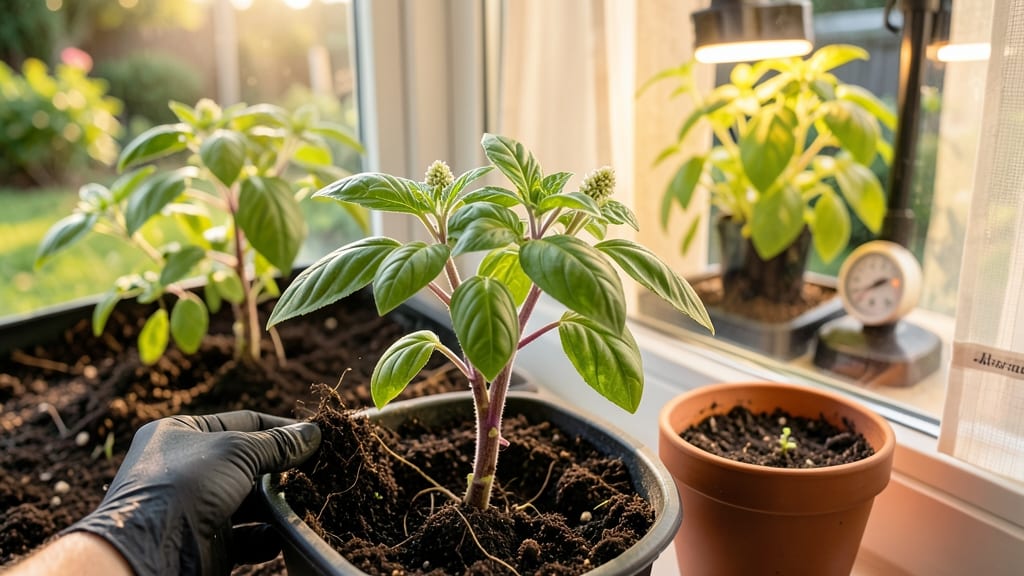
Bringing basil indoors at the right time saves your plants from frost damage and keeps their flavor sweet 🌿 — aim for when nighttime temperatures dip below 50°F, usually in late September or October for most regions.
Your basil plants are thriving—until the first chill hits. Knowing the exact temperature triggers to bring basil indoors can mean the difference between sweet, flavorful leaves and bitter, struggling herbs.
In USDA Zone 6a, where frost arrives around mid-October, the window to move basil inside narrows quickly. Waiting too long risks cold stress, while moving too early can shock the plant and stunt growth.
Below, I’ll walk you through the key signs to watch for—shorter daylight, cooler nights—and a step-by-step guide to transitioning your basil indoors without losing its vibrant taste or health.
Exact temperature triggers to bring basil indoors before damage occurs
Basil is a tender annual that thrives in warmth but wilts when temperatures dip below its ideal range. The moment outdoor conditions drop to 50°F (10°C) at night, your basil’s growth slows dramatically.
This is your first warning sign—don’t wait for frost to act. Cold stress causes bitter flavors and stunted growth, turning your sweet basil into a disappointing, woody mess.
Daytime temperatures matter too. If daytime highs fall below 65°F (18°C) consistently, basil’s metabolic processes slow down, reducing leaf production.
In USDA Zones 8-10, you might delay bringing basil indoors until October or November, but gardeners in Zones 3-7 should start monitoring temperatures as early as mid-September.
Here’s the critical threshold: Bring basil indoors when nighttime temperatures drop below 55°F (13°C). This is the point where cold damage becomes irreversible. Even a single night below this can cause leaf yellowing and root stress.
If you’re in a frost-prone zone, act immediately when your local forecast predicts 32°F (0°C) or lower.
Cold stress doesn’t just affect growth—it destroys basil’s flavor profile. When temperatures dip, basil produces coumarin compounds, which create that unpleasant bitterness. The longer you wait, the more your once-sweet leaves turn into a culinary disappointment.
Protecting your basil from cold means preserving that bright, peppery sweetness we all love in pesto and salads.
Your USDA hardiness zone dictates your exact timeline. For example, in Zone 5, the first frost often hits by mid-October, so you’ll need to bring basil indoors by early September.
Meanwhile, in Zone 9, you might delay until late November. Always check your local frost dates and adjust accordingly.
If you’re unsure whether to bring your basil indoors, use the "fingertip test". Touch the leaves in the early morning. If they feel cool or limp, it’s time to move them.
This simple trick saves basil from overnight temperature crashes, which can happen even on warm days when nights are chilly.
Don’t rely solely on temperature—watch for visual signs of stress. Basil leaves will curl or darken at the edges when they’re struggling. If you notice yellowing between veins, this is a classic sign of cold damage.
Act fast by moving the plant to a sunny indoor spot within 24 hours to prevent further harm.
Pro tip: Hardened basil plants (those grown from seed outdoors) are more resilient than seedlings. If your basil has already bolted or flowered, it’s past its prime for indoor growing, but you can still harvest leaves before bringing it in.
Focus on young, non-flowering plants for the best indoor success.
Remember, basil’s flavor and growth rate are directly tied to temperature. By the time you see frost damage, it’s often too late to salvage the plant. Act at the first sign of chill, and you’ll enjoy fresh, sweet basil all winter long. 🌿
Step-by-step guide to transitioning basil indoors without shocking the plant
Bringing basil indoors too early or too late can turn your fragrant herb into a bitter, leggy shadow of its outdoor self. The key is gradual acclimation—mimicking nature’s slow shift toward cooler weather.
Start when nighttime temperatures dip below 55°F (13°C), even if daytime warmth lingers. This is your cue to begin the 7-day transition process.
First, choose a sunny indoor spot near a south-facing window where your basil can receive 6+ hours of sunlight daily. If natural light is insufficient, supplement with a grow light to prevent etiolation (those sad, stretched stems).
Avoid placing your basil near drafty doors or vents, as sudden temperature swings can stress the plant further.
📋 Step-by-Step Transition Plan for Basil
- Day 1-3: Partial Shade Acclimation
Move pots to partial shade outdoors during the day (50% sun) and bring them indoors at night. This helps basil adjust to lower light intensity without shock.
- Day 4-5: Reduced Sun Exposure
Gradually reduce sunlight to 4-5 hours/day outdoors. Place basil in dappled shade (e.g., under a tree canopy) to simulate early autumn conditions.
- Day 6-7: Full Indoor Transition
Transfer basil to its permanent indoor spot near a sunny window. Ensure the container has drainage holes and use a humidity tray to maintain moisture.
- Post-Transition Care
Monitor for pests (spider mites) and fungal issues. Prune leggy stems to encourage bushier growth and use a balanced fertilizer (10-10-10) every 4-6 weeks.
Humidity is another critical factor—indoor air is often too dry for basil’s tropical roots. Place a pebble tray with water near the plant or use a humidifier to keep levels above 50%.
Mist leaves lightly in the morning to prevent fungal diseases like powdery mildew, but avoid wetting the leaves at night.
Your basil’s container size matters too. If roots are crowded, transplant into a slightly larger pot (12-16 inches wide) with fresh well-draining potting mix. Avoid compacted soil, as basil hates soggy roots. After transitioning, watch for yellowing leaves—a sign of overwatering or nutrient deficiency.
Finally, resist the urge to harvest aggressively during the first 2 weeks indoors. Let your basil recover and adjust to its new environment. Once established, you can pinch back the tips to encourage dense foliage and prevent bolting (flowering).
With these steps, your basil will thrive indoors through winter, ready for your next pesto-making session.