
How To
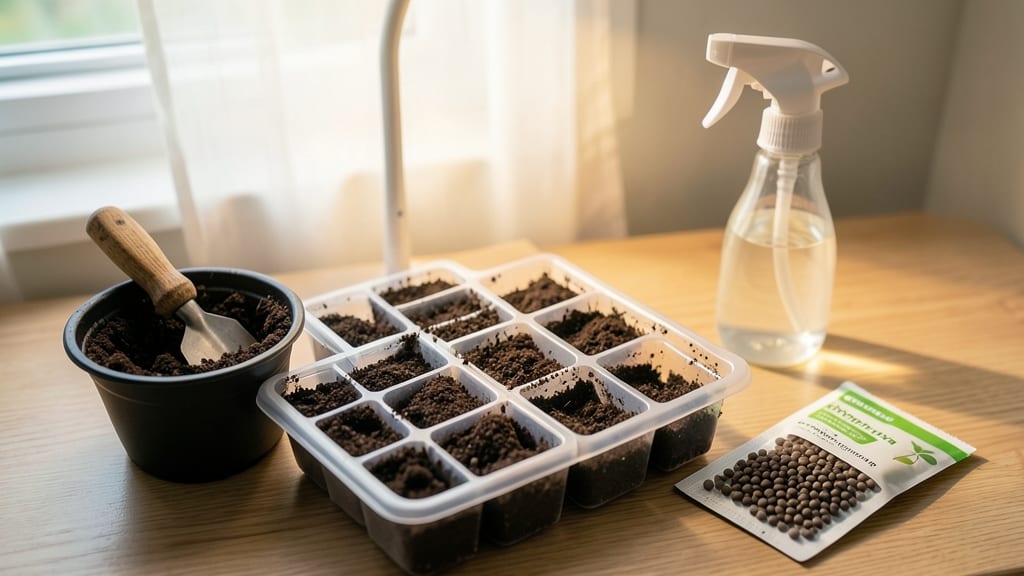
Start alyssum seeds indoors 6-8 weeks before your last frost date—that’s the magic window for sweet-smelling, long-blooming 🌸 clusters that fill your garden from spring to fall.
Timing is everything when growing alyssum from seeds—start too early, and you’ll face leggy seedlings; too late, and your garden will miss peak blooms. Follow this science-backed 8-week timeline to ensure vibrant, long-lasting flowers from your first planting.
In USDA Zone 6a, where frost typically lingers until mid-April, that means kicking off your seeds in early February. But if you live in a warmer climate, like Zone 9, you can push your start date back to late January or even December for a winter-to-spring show.
Below, I’ll break down the exact week-by-week steps—from germination to transplanting—so your alyssum thrives indoors before it takes center stage in your garden.
Optimal start dates for alyssum seeds indoors by climate Zone
Alyssum thrives when planted at the right time, and your USDA climate zone dictates the perfect window for starting seeds indoors. Since alyssum grows quickly but needs 6-8 weeks to mature before transplanting, timing ensures your seedlings bloom just as spring arrives.
In cooler zones (3-5), you’ll start earlier to beat late frosts, while warmer zones (8-10) can delay planting until early spring. Always check your last frost date—this is your anchor for scheduling.
Not all alyssum varieties are created equal. Sweet alyssum (Lobularia maritima), the most common type, is tender and thrives in milder climates. Meanwhile, cushion alyssum (Aurinia) handles frost better, making it ideal for zones 3-6.
Knowing your variety helps adjust timing by 1-2 weeks. For example, tender types need 8 weeks indoors before transplanting, while hardier varieties can stretch to 10 weeks in colder regions.
Here’s the key: align your indoor start date with your frost-free window and the alyssum’s bloom cycle. Early bloomers (like 'Tiny Tuffet') need 6 weeks indoors to flower by late spring, while late varieties (like 'Snowdrift') can wait until 7-8 weeks before transplanting.
Miss this window, and you’ll either have overgrown seedlings or missed blooms.
| USDA Zone | Last Frost Date | Indoor Start Date | Transplant Date | Notes |
|---|---|---|---|---|
| Zones 3-5 | Mid-to-late May | March 15 - April 1 | May 15 - June 1 | Use cushion alyssum for frost tolerance; extend indoor time to 10 weeks. |
| Zones 6-7 | Early-to-mid April | February 15 - March 1 | April 15 - May 1 | Standard 6-8 week timeline works; avoid leggy seedlings with grow lights. |
| Zones 8-10 | Mid-January | December 15 - January 15 | February 15 - March 1 | Start late to avoid summer heat; prioritize shade-tolerant varieties. |
*Adjust dates 1-2 weeks earlier for early bloomers or later for late varieties.
In USDA zones 3-5, where frosts linger into May, I recommend starting seeds by March 15 for a 10-week indoor grow. This ensures seedlings are hardy enough to handle late frosts and bloom by early summer.
Use cushion alyssum varieties like 'Golden Queen'—they tolerate 28°F temperatures, giving you flexibility. If you’re unsure about frost dates, err on the earlier side; alyssum grows faster than you might expect.
Zones 6-7 offer the sweet spot for alyssum growers. Here, I start seeds between February 15 and March 1, aiming for transplanting by April 15. This aligns perfectly with the last frost date in most areas.
For sweet alyssum, which is less cold-hardy, I add grow lights to prevent leggy seedlings—critical for compact growth. Pro tip: Use seedling trays with drainage holes to avoid root rot, a common issue in cooler, damp conditions.
Warmer climates in zones 8-10 can start alyssum seeds as early as December 15, but I often delay until January 15 to avoid summer heat stress. Alyssum in these zones thrives in partial shade, so I choose varieties like 'Snow Crystal' that handle hotter temperatures better.
Transplant by February 15 to enjoy blooms before the peak summer heat arrives. In these regions, succession planting every 2-3 weeks keeps flowers coming all season.
Regardless of your zone, always account for seedling maturity when planning. Alyssum seeds germinate in 5-10 days at 65-75°F, but true leaves take 3-4 weeks to appear. By week 6, seedlings should have 4-6 leaves and be ready for hardening off.
Rush this process, and you risk weak stems or poor root systems—both kill bloom potential. Patience here pays off with vibrant, long-lasting flowers.
One final tip: Adjust for microclimates. If your garden sits in a frost pocket, start seeds 2 weeks earlier than the table suggests. Conversely, if you’re in a warmer microclimate (like near a heat-retaining wall), delay planting by 1 week. Use a local frost calendar
8-Week indoor growing timeline: week-by-week seedling care guide
Starting alyssum seeds indoors requires precise timing and care to avoid leggy seedlings or missed blooms. This 8-week timeline breaks down every critical step—from germination to hardening off—so your sweet alyssum flowers thrive. I’ll cover light needs, temperature adjustments, and watering schedules tailored to your seedlings’ growth stages.
Week 1 focuses on germination, where seeds need consistent moisture and warmth. By week 3, you’ll see first true leaves, signaling it’s time to introduce grow lights if natural light is insufficient.
The final weeks prepare seedlings for outdoor transplanting, ensuring they survive the transition to your garden.
Week-by-Week Alyssum Seedling Care
- Week 1: Sow seeds in moist seed-starting mix at 1/8-inch depth. Cover trays with plastic wrap to retain humidity. Place in a warm spot (70°F) for germination (5-10 days).
- Week 2: Remove plastic wrap once sprouts emerge. Provide 12-14 hours of light daily (grow lights or south-facing window). Water gently to keep soil lightly moist.
- Week 3: Thin seedlings to 2 inches apart if overcrowded. Introduce balanced fertilizer (5-10-5) at half-strength. Watch for first true leaves—a sign to increase light to 14-16 hours/day.
- Week 4: Transplant to 3-inch pots if crowded. Maintain 60-65°F daytime temps and 55-60°F nights. Water at soil level to avoid disturbing roots.
- Week 5-6: Harden off by placing seedlings outdoors for 1-2 hours daily, gradually increasing exposure. Monitor for pests (aphids) and treat with neem oil if needed.
- Week 7: Complete hardening off with full-day outdoor exposure. Reduce watering slightly to toughen stems. Choose cloudy days for transplanting to minimize stress.
- Week 8: Transplant 2-3 inches apart in garden beds. Mulch lightly to retain moisture. Expect blooms in 6-8 weeks after transplanting!
Critical milestones include germination (days 5-10), when seeds sprout, and week 3, when true leaves appear. These stages signal it’s time to adjust light exposure and fertilizer for robust growth.
By week 7, your seedlings should be hardened off and ready for their final move to the garden.
Pro tip: Use a seedling heat mat in week 1 to speed germination. For week 4+, rotate pots daily under grow lights to prevent uneven growth. Alyssum thrives in cool weather, so avoid overheating trays.
With this timeline, your alyssum seedlings will be strong, healthy, and ready to bloom by late spring. Happy growing! 🌸