
Pruning
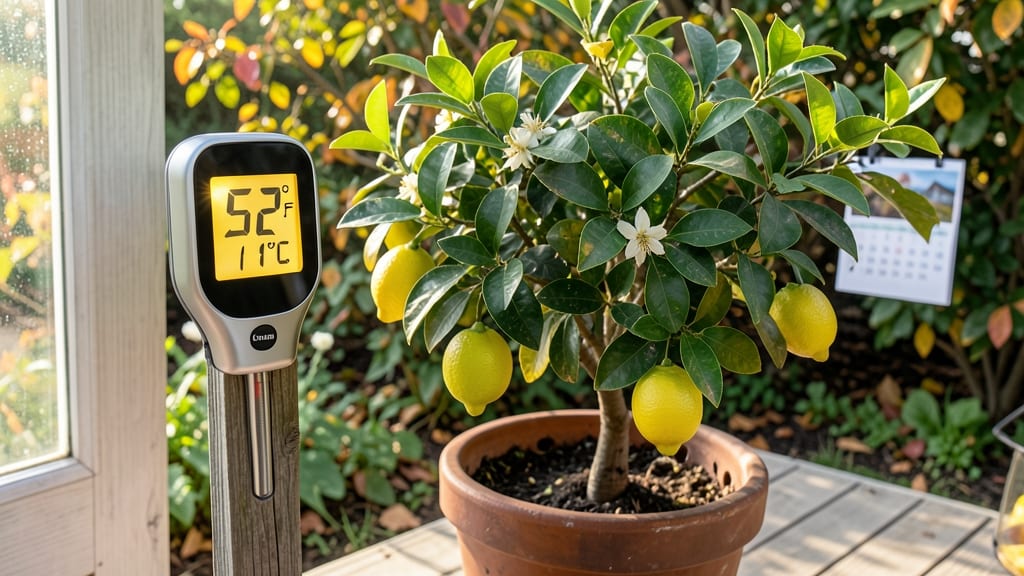
Bringing your lemon tree indoors before the first frost is the key to saving its roots and keeping it thriving through winter 🍋 — and timing it wrong can mean the difference between a healthy harvest and a sad, wilted plant.
Your lemon tree thrives in warmth, but one wrong move during fall can kill its roots—learning the exact timing to bring it indoors is the difference between a lush harvest and a lost investment.
Most gardeners wait until nighttime temperatures dip below 50°F (10°C), but that’s not always the right move for your lemon tree. Instead, watch for signs like yellowing leaves or slowed growth, which signal it’s time to act.
In this guide, I’ll walk you through the perfect transition window, step-by-step prep to protect those delicate roots, and common mistakes that could doom your tree before winter even begins.
How to determine the perfect time to bring lemon tree indoors before frost
Lemon trees (Citrus limon) are tropical plants that thrive in warmth but struggle when temperatures dip. The critical threshold for moving your tree indoors is when nighttime temps fall below 50°F (10°C).
This usually happens in late summer or early fall, depending on your USDA hardiness zone. Waiting too long risks root damage or even death from frost.
Your local frost date is the best starting point. Check the USDA Plant Hardiness Zone Map for your area—most lemon trees survive outdoors only in Zones 9b-10a. In Zones 6-8, you’ll need to bring your tree indoors by mid-to-late October to avoid frost damage.
For example, in Zone 7, the average first frost is October 15, so plan to move your tree indoors 2-3 weeks before that date.
Don’t rely solely on the calendar—watch for plant-specific warning signs. If you notice leaf yellowing, slowed growth, or dropping leaves, these are clear signals your lemon tree is stressed by cooler temps.
Another red flag is buds failing to open in spring, which can happen if the tree experienced too much cold stress the previous year.
Pro Tip: Use a thermometer to monitor temps near your tree’s leaves. If temps drop below 45°F (7°C) at night, it’s time to act—even if the forecast says no frost is expected. Lemon trees are sensitive to cold snaps, and sudden drops can be just as harmful as frost.
| Factor | Zone 6-8 | Zone 9b-10a |
|---|---|---|
| Temperature Threshold | Below 50°F (10°C) | No indoor move needed |
| First Frost Date | Mid-October | None |
| Warning Signs | Leaf yellowing, growth slows | None |
| Ideal Move Timeline | 2-3 weeks before frost | Year-round outdoor |
| Critical Temp Alert | Below 45°F (7°C) | N/A |
If you’re in Zone 6, aim to bring your lemon tree indoors by early October. In Zone 7, wait until mid-October, and in Zone 8, you might have until late October.
The key is to act before the first frost, not after. Even a light frost can damage leaves and weaken the tree, making it more vulnerable to pests and diseases indoors.
Another science-backed trick is to use a minimum-maximum thermometer near your tree. If the nighttime low drops below 55°F (13°C) consistently for 3-4 nights, it’s time to move. This method is more accurate than guessing and helps you time the move precisely to avoid stressing the tree.
Pay attention to your tree’s growth patterns too. If new leaves stop emerging or existing leaves start curling, these are clear signs of cold stress.
Lemon trees are evergreens, so they shouldn’t naturally drop leaves in fall—if they are, it’s a red flag that they’re struggling with the cooler weather.
For container-grown lemon trees, also check the pot’s drainage. If your tree is in a large container, the soil may stay warmer longer than the air temperature, giving you a slightly longer window to move it indoors.
However, if the pot is too small, the roots can overheat in summer and chill too quickly in fall, so upgrading the pot size can help with temperature regulation.
Finally, don’t wait until the last minute. Rushing the indoor transition can shock the tree and lead to leaf drop or root rot. Plan ahead by acclimating your tree gradually to indoor conditions 1-2 weeks before the move.
This means reducing sunlight exposure slightly each day and adjusting watering to mimic indoor humidity levels.
By combining temperature tracking, USDA zone guidelines, and plant-specific warning signs, you’ll perfectly time your lemon tree’s indoor transition—keeping it healthy, productive, and frost-free all winter long. 🍋
Step-by-step transition process to protect lemon tree roots during indoor move
Moving your lemon tree indoors requires careful planning to avoid root shock and stress. The key is a 7-day acclimation process that mimics natural seasonal changes. Start by reducing sunlight exposure gradually over 3-4 days to prevent sudden stress from indoor light conditions.
Before moving, inspect the root system for signs of damage or pests. Trim any overgrown roots gently with sterilized shears and repot if the current container is root-bound. Choose a pot only 1-2 inches larger in diameter to avoid excessive soil moisture retention.
📋 7-Day Acclimation Protocol for Lemon Tree Transition
- Day 1-3: Move tree to partial shade (50% sunlight) for 4-6 hours daily. Reduce watering by 30% to prepare roots for dormancy.
- Day 4-5: Transition to indoor location near a south-facing window. Use a grow light for 4-6 hours if natural light is insufficient.
- Day 6: Inspect leaves for wilting or yellowing. Adjust watering to every 5-7 days—lemon trees hate soggy roots indoors.
- Day 7: Apply root insulation (burlap wrap or foam board) around the pot to protect roots from temperature fluctuations near windows or vents.
🌱 Pro Tip: Place a hygrometer near your tree—ideal indoor humidity is 40-60% to prevent leaf drop.
After the move, monitor your lemon tree for leaf drop or bud dieback, which signal stress. Increase humidity with a pebble tray or humidifier if leaves crisp at the edges. Avoid placing the tree near heating vents or drafty windows, as sudden temperature swings can damage delicate roots.
For the first 30 days indoors, fertilize lightly with a balanced citrus fertilizer (half-strength) to support root recovery. Resume normal feeding in spring once new growth appears. Patience is critical—root establishment takes 4-6 weeks in indoor conditions.
If your lemon tree loses more than 20% of its leaves during transition, it’s not a death sentence. Prune back dead branches and focus on root care—healthy roots mean faster recovery. With this protocol, your tree will wake up lush and ready for next year’s harvest.
🍋 Remember: The sooner you start the acclimation process, the healthier your lemon tree’s roots will stay through winter. Don’t wait until the first frost—act when nighttime temps dip to 55°F (13°C).