
What is on this site
This site is for anyone who wants to grow plants—whether you have a sunlit windowsill, a north-facing balcony, or a single shelf in a dim apartment. You’ll find practical advice on starting seeds, troubleshooting wilting leaves, and turning small spaces into thriving green corners.
The focus is on what actually works, not just what looks good in a catalog.
The site is organised by plant type, skill level, and season. Guides are written for real conditions: slow-growing seedlings in winter, humidity struggles in summer, or the way certain herbs hate being transplanted.
Every tip includes the exact tools you’ll need, the time it will take, and what to do if things go wrong.
| Where | What is there | Go here if |
|---|---|---|
| The Guides | Step-by-step care for specific plants (herbs, succulents, houseplants) | You’re starting a new plant or fixing a dying one |
| The Library | Seasonal planting calendars and soil mixes | You’re planning a year of growth |
| The Troubles | Diagnoses for yellow leaves, root rot, or pests | Your plant looks sick and you don’t know why |
| The Gear | Tool reviews and budget-friendly setups | You’re buying supplies and want to avoid regrets |
How to read a page here
Every page starts with a clear goal—what you’ll achieve by the end, and how long it will take. Look for the bolded *time* and *difficulty* at the top: these are honest estimates, not promises. A ‘30-minute’ task might take longer if your seedlings are stubborn.
Numbers in parentheses refer to specific sections or steps—skip to the one you need without reading everything. For example, ‘(Step 3)’ in a care guide means you can jump straight to repotting if your plant’s roots are crowed.
Photos show real plants, not staged ones. If a leaf looks crispy in the picture, that’s because it was—this isn’t a magazine spread. The captions explain *why* it failed, not just how it ‘should’ look.
When it does not work
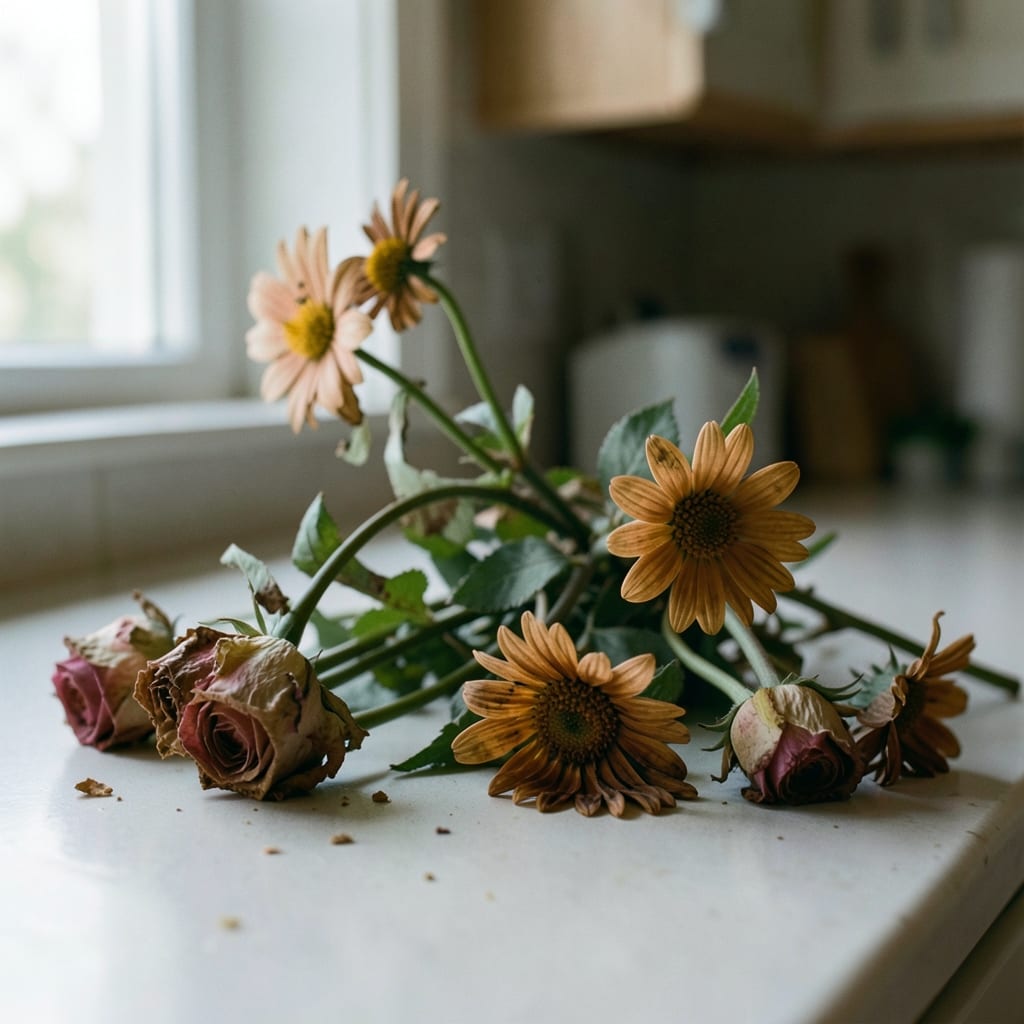
Some advice here won’t fit your setup. If a tip assumes six hours of sunlight and you have three, try the workaround in the ‘Notes’ box—or skip it. Not every plant thrives in every home, and that’s okay. The site exists to help you adapt, not to blame your conditions.
Before you give up
- Check the plant’s native climate—does it match your home’s humidity or light?
- Look for the ‘Fail-Safe’ section at the end of guides (if it exists).
- Try the opposite of what you’ve done so far (e.g., more water if it’s dry, less if it’s soggy).
- Ask yourself: *Is this plant the right one for me right now?* Some are high-maintenance even for experts.
Who we are

This site is shaped by one person’s hands and one grandmother’s lessons.
| The colophon | |
|---|---|
| Written by | Lionel Tanaka, who tends plants in a south-facing apartment in Albuquerque, where the light changes faster than the weather. |
| Tested in | A 1970s kitchen with a single grow light, a windowsill that floods in monsoon season, and a basement storage shelf that stays at 55°F year-round. |
| Written with | A magnifying glass, a moisture meter, and a notebook full of failed experiments—some crossed out, some circled in pen. |
| Learned from | My grandmother, who grew chiles in raised beds and swore by ‘the rule of three’: if a plant doesn’t improve in three weeks, it’s not the right one. |
| Still getting wrong | The exact moment a seedling will turn—sometimes they just give up without warning. |
There’s no single ‘right’ way to grow plants, only ways that work for you. This site is here to show you the paths that have worked for others—and to help you find your own.
If you need something that is not here
If you’re looking for advice on a specific plant, a rare soil mix, or a problem no guide covers, start by searching the site—half the answers are buried in older posts.
If it’s truly missing, your question might belong on the contact page, where it can be turned into a guide for others.
The guides are grouped by category: Advice, Aphids, Companion Plants, Container Gardens, Landscaping and Light Requirements.