
Planting
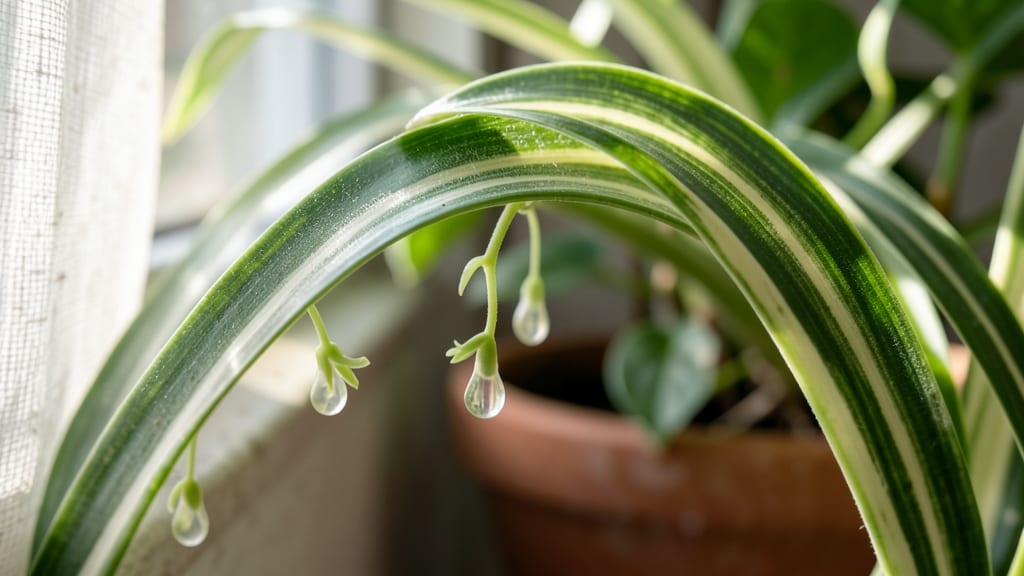
Growing spider plants indoors or outdoors feels like a no-brainer—until you realize their needs shift dramatically between the two. 🌱 I’ve had mine thrive in both settings, but the care routine changes everything from watering to sunlight exposure, and I’ll walk you through what works where.
Indoor spider plants love bright, indirect light—think near a north-facing window—and tolerate lower humidity better than their outdoor cousins. Outdoors, they handle partial shade but need protection from harsh afternoon sun, which can scorch those iconic striped leaves. The key difference?
Indoor plants need less water (they dry out slower), while outdoor ones drink more but also face more wind stress. You’ll end up with longer, bushier plants indoors and hardier, sun-tolerant varieties outdoors—both stunning, just in different ways.
The real magic happens when you match their environment to their natural habits, and I’ll show you exactly how. Whether you’re dealing with a sun-drenched patio or a dim apartment corner, spider plants adapt beautifully—here’s how to keep them happy in either spot.
The first product explained
Meet the Spider Plant (Chlorophytum comosum)—a resilient, low-maintenance superstar that thrives both indoors and outdoors! 🌿✨ Whether you're a beginner gardener or a plant enthusiast looking for an easy-care green friend, this product is your go-to choice. Here’s everything you need to know about nurturing this vibrant houseplant.
🌱 Key Specs & Features
- Scientific Name: Chlorophytum comosum
- Light Needs: Bright, indirect light (tolerates low-light conditions—perfect for offices or dim corners!)
- Watering: Moderate; let the top 1-2 inches of soil dry out between waterings. Overwatering? Not a fan!
- Soil Type: Well-draining potting mix (add perlite or sand for extra drainage).
- Size: Matures to 12–24 inches tall (indoors) or 24–36 inches outdoors.
- Hardiness: USDA Zones 9–11 (outdoors); thrives indoors year-round in most climates.
- Toxicity: Non-toxic to pets (a safe pick for furry family members!).
- Bonus: Produces "pups" (baby spider plants) that can be propagated for free plants!
🎯 Who’s This For?
This plant is a dream for:
- 🏡 Busy professionals who want a green companion with minimal upkeep.
- 🐶 Pet owners seeking a non-toxic, pet-friendly plant.
- 🌆 Low-light lovers (offices, bathrooms, or north-facing windows).
- 🌍 Indoor/outdoor growers—adapts beautifully to both settings!
- 💰 Budget-friendly gardeners (affordable and long-lasting!).
💲 Price Point & Where to Buy
The Spider Plant is one of the most affordable houseplants out there! You can typically find:
- Small 4-inch pots: $8–$15 (great for beginners or as gifts!).
- Medium 6-inch pots: $15–$25 (ideal for decorating shelves or desks).
- Large hanging baskets: $25–$40 (showstoppers for boho or modern interiors!).
Where to shop? Check out:
- Local nurseries or garden centers.
- Online retailers like The Sill, Etsy, or Amazon.
- Big-box stores (Home Depot, Lowe’s) for budget-friendly options.
💡 Pro Tip for Success
Want your Spider Plant to really thrive? Give it a light misting occasionally—these tropical babies love humidity! Place it near a bathroom or kitchen to keep it happy in dry indoor air. 🌡️
The second product explained
Looking for a low-maintenance, versatile spider plant that thrives in both indoor and outdoor settings?
Meet the Chlorophytum comosum 'Variegatum'—a stunning, hardy variety perfect for plant lovers who want beauty without the fuss! 🌿✨ This product is a fan favorite for its striking variegated leaves and adaptability, making it ideal for beginners and seasoned gardeners alike.
Key Features
- Variegated Beauty: Showcase leaves with pale green and white stripes, adding a touch of elegance to any space.
- Adaptable Growing Conditions: Thrives in low to bright indirect light, making it perfect for indoor settings like offices, living rooms, or even bathrooms with natural light.
- Outdoor-Ready: Can be grown outdoors in USDA Zones 9-11 (or as an annual in cooler climates) with proper care.
- Air-Purifying: Helps remove toxins like formaldehyde and xylene from the air—nature’s air filter! 🌱💨
- Fast-Growing: Produces long, arching stems with "spiderettes" (baby plants) that can be propagated easily.
- Pet-Friendly: Non-toxic to cats and dogs, so you can enjoy it worry-free if you have furry friends at home.
Ideal For
This spider plant is a versatile powerhouse suited for:
- 🏡 Indoor Enthusiasts: Beginners or busy professionals who want a lively, low-maintenance plant that brightens up their space.
- 🌿 Outdoor Gardeners (in warm climates): Those looking to add a pop of color to patios, balconies, or shaded garden beds.
- 💼 Office or Workspace Decor: A hardy, air-purifying plant that thrives in fluorescent lighting.
- 🎁 Gift-Givers: A thoughtful, easy-to-care-for plant that keeps on growing and multiplying!
Specs & Care Requirements
| Spec | Details |
|---|---|
| Height | 12–24 inches (30–60 cm) |
| Spread | 12–18 inches (30–45 cm) |
| Light Needs | Low to bright indirect light (avoid direct sun) |
| Watering | Water when top 1–2 inches of soil are dry; overwatering is the biggest risk! |
| Soil Type | Well-draining potting mix (add perlite for aeration) |
| Humidity | Adaptable, but thrives in 40–70% humidity (great for bathrooms!) |
| Temperature Range | 60–80°F (15–27°C); avoid cold drafts |
| Fertilizer | Balanced liquid fertilizer (diluted) every 4–6 weeks in growing season |
Price Point & Value
Priced at $12–$25 depending on pot size and retailer, this spider plant offers exceptional value for its:
- 🌟 Long-term growth (can live for years with proper care).
- 🌟 Multiplication potential (propagate spiderettes for free plants!).
- 🌟 Dual-purpose use (indoor/outdoor flexibility).
- 🌟 Low-maintenance nature (perfect for forgetful plant parents!).
Pro Tip: 💡 Buy a slightly larger pot (6–8 inches) to give your spider plant room to grow and reduce repotting frequency!
Head-to-head comparison
Deciding whether to grow your spider plant (Chlorophytum comosum) indoors or outdoors depends on your lifestyle, climate, and how much hands-on care you're willing to invest. Below, we break down the key differences in a side-by-side comparison to help you choose the best environment for your leafy friend! 🌿✨
🌞 Performance: Growth Speed & Health
Your spider plant’s performance will vary based on its environment, and both settings can yield stunning results—but with different trade-offs.
| Factor | Indoor | Outdoor |
|---|---|---|
| Growth Rate | Moderate to slow (depends on light exposure). Indoor plants may grow more slowly if natural light is limited. | Faster growth, especially in partial shade or dappled sunlight. Outdoor plants often produce more "spiderettes" (baby plants). |
| Leaf Color & Variegation | May develop deeper green hues if light is insufficient. Variegated varieties (e.g., 'Vittatum') thrive but need bright, indirect light. | More vibrant variegation in partial shade. Full sun can scorch leaves, so outdoor plants need protection. |
| Pest & Disease Risk | Lower risk of pests (e.g., spider mites, aphids) unless brought in from outdoor plants. Fungal issues can arise from overwatering. | Higher pest risk (e.g., slugs, snails, or aphids). Humidity and outdoor elements can also introduce fungal diseases. |
| Survival in Low Light | Excellent! Spider plants are one of the best low-light tolerant houseplants. They’ll survive in offices or north-facing rooms. | Struggles in full shade (e.g., dense forest understory). Needs at least some indirect light to thrive. |
🏡 Features: Convenience & Aesthetics
How your spider plant fits into your space—and your daily routine—matters just as much as its growth!
- Ease of Care:
- Indoor: Watering is flexible (every 1-2 weeks). No weather risks like frost or heavy rain.
- Outdoor: Requires more monitoring for water, pests, and seasonal changes. May need winter protection in cold climates.
- Decorative Appeal:
- Indoor: Adds a pop of greenery to shelves, desks, or hanging baskets. Compact growth makes it ideal for small spaces.
- Outdoor: Can become a statement plant in containers or garden beds. Larger growth potential if given space.
- Air Purification:
- Both indoor and outdoor spider plants filter toxins like formaldehyde and xylene, but indoor plants have a more direct impact on your home’s air quality.
- Propagating Spiderettes:
- Easier indoors—just snip and repot! Outdoors, you’ll need to protect baby plants from pests and weather.
💰 Price: Initial & Ongoing Costs
Your wallet will thank you for considering these factors before planting!
| Cost Factor | Indoor | Outdoor |
|---|---|---|
| Initial Purchase | $10–$30 for a small pot (6–8" diameter). Larger or variegated varieties cost $30–$50. | $15–$40 for a nursery pot (8–12" diameter). Outdoor containers may require additional drainage solutions. |
| Containers/Pots | Standard ceramic or plastic pots ($5–$20). Self-watering pots add $20–$40. | Durable outdoor pots ($15–$50). May need frost-proof materials in colder climates. |
| Ongoing Care | Low: Water, occasional fertilizer ($5–$10/year), and repotting every 2–3 years. | Moderate: Watering, pest control, seasonal adjustments (e.g., mulch, winter wraps). Fertilizer costs similar to indoor. |
| Unexpected Costs | Minimal—mostly repotting or replacing damaged pots. | Potential costs for pest treatments, winter protection, or storm damage. |
🛡️ Durability: Longevity & Resilience
How well your spider plant holds up over time depends on its environment and your care routine.
- Indoor Durability:
- ✅ Hardy in low light—won’t bolt or wilt easily.
- ✅ Forgiving with water—prefers slight drought over soggy soil.
- ⚠️ Watch for overwatering—root rot is the #1 killer of indoor spider plants.
- ✅ Long lifespan—can live 5+ years with proper care.
- Outdoor Durability:
- ✅ Thrives in humidity—great for tropical or coastal climates.
- ⚠️ Sensitive to cold—temperatures below 50°F (10°C) can stunt growth or kill the plant.
- ⚠️ Pest-prone—requires vigilance against slugs, snails, and spider mites.
- ✅ Can naturalize—if planted in the ground, it may spread aggressively in warm climates.
🌍 Best For: Who Should Choose Indoor vs. Outdoor?
Still unsure? Here’s a quick guide to help you decide based on your lifestyle!
| Choose Indoor If... | Choose Outdoor If... |
|---|---|
|
|