
Companion Plants
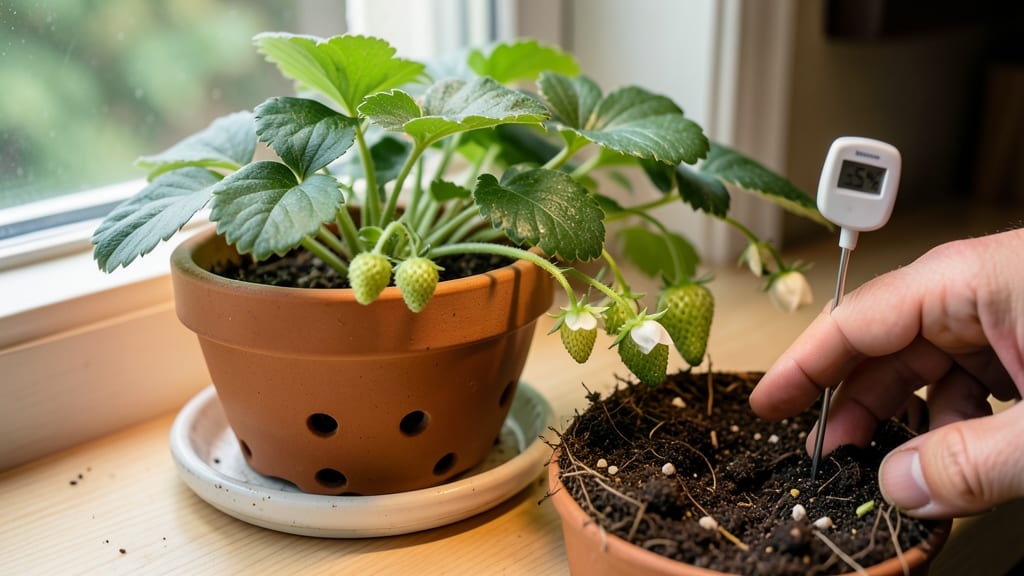
Growing strawberry plants indoors lets you enjoy fresh fruit even when winter locks the garden in ice. 🌱 The key isn't some fancy setup—it's picking the right compact containers, soil, and light.
My first indoor strawberries came from a simple 5-gallon pot on a kitchen counter, and now I've got three thriving plants producing fruit year-round.
You'll need containers with drainage, a lightweight potting mix, and either a sunny south-facing window or a basic grow light. Varieties like 'Alpine' or 'Seascape' handle indoor conditions better than larger berries.
Water when the top inch feels dry, but never let them sit in soggy soil—that's how root rot starts.
By late spring, you'll be harvesting sweet, plump berries that taste better than anything from the store. The plants stay productive for years if you prune spent runners and refresh the soil annually. Plus, no more worrying about birds or frost—just fresh fruit whenever you want.
Works great for apartments, greenhouses, or even sunny basements. The only challenge is keeping humidity steady, but a simple pebble tray under the pots solves that. Here's how to get started without the guesswork.
📚 In This Guide
- What you need
- Instructions
- Tips and common mistakes
- Wrapping up and next steps
What you need
- ● Strawberry plants: 3–5 June-bearing or everbearing varieties (e.g., 'Albion,' 'Seascape,' or 'Ozark Beauty'). Look for bare-root or potted plants from a nursery.
- ● Containers: 2–3 gallon pots (minimum 12" deep) with drainage holes. Opt for fabric grow bags or plastic pots for flexibility.
- ● Potting mix: 1 bag lightweight, well-draining mix (e.g., 60% peat moss, 30% perlite, 10% compost). Avoid garden soil—it compacts and holds too much moisture!
- ● Drainage trays: 1–2 shallow trays to catch excess water and prevent root rot.
- ● Grow lights: 1–2 full-spectrum LED grow lights (12–16 hours/day) or a south-facing window (if natural light is abundant).
- ● Fertilizer: Balanced liquid fertilizer (10-10-10 or 5-5-5) or slow-release granules for organic growth.
- ● Spray bottle: 1 for gentle watering and humidity control.
- ● Pruning shears: Small, sharp pair for trimming runners and dead leaves.
- ● Humidity dome: A clear plastic cover to retain moisture during germination.
- ● Self-watering system: A wicking mat or drip irrigation kit for low-maintenance hydration.
- ● Support stakes: Small bamboo stakes or tomato cages to prop up plants as they grow.
- ● Soil pH tester: To ensure your mix stays in the ideal range of 5.5–6.5.
- ● Companion plants: Basil or mint (potted separately) to deter pests naturally.
Step-by-step instructions for growing strawberry plants indoors
Here’s how to bring sweet strawberries indoors—no greenhouse needed.
🌱 Step 1: Choose the Right Containers and Drainage
Strawberries need space to spread, so pick deep containers at least 6 inches tall—I use 8-inch pots for each plant. Make sure they have drainage holes to prevent root rot. If your pots don’t have holes, drill them yourself. Place a 1-inch layer of gravel or broken pottery at the bottom to improve drainage.
For 4 plants, you’ll need 4 containers. If using hanging baskets, choose ones with at least 12-inch diameters—strawberries send out long runners, and cramped spaces stifle growth. I avoid shallow dishes; strawberry roots need depth to anchor properly.
🌿 Step 2: Fill With Well-Draining Soil Mix
Strawberries hate soggy roots, so never use garden soil. Instead, mix 1 part potting soil with 1 part perlite or coarse sand for drainage. Fill each container 2 inches from the top—you’ll add more soil later as plants grow. Moisten the mix with room-temperature water until it’s damp but not dripping.
Press the soil down lightly to remove air pockets, then create a small dimple in the center of each pot with your finger. This keeps the root ball centered when you plant. If your mix feels gritty, add a handful of compost for nutrients—strawberries are heavy feeders.
💧 Step 3: Plant Strawberry Crowns Correctly
Strawberry plants arrive as bare-root crowns or small pots. If bare-root, soak the roots in lukewarm water for 10 minutes to revive them. Plant each crown so the top of the root flare sits just above the soil line—burying it too deep causes rot, but leaving it exposed dries it out.
Gently spread the roots outward in the dimple. Cover them with soil, leaving the top leaves exposed. Water lightly to settle the soil around the roots. Place pots in a bright, indirect-light spot for the first 48 hours—direct sun can scorch newly planted crowns.
☀️ Step 4: Provide Light and Temperature for Growth
Strawberries need 6-8 hours of bright light daily. A south-facing window works, but most homes don’t have enough sunlight. Supplement with a grow light (LED or fluorescent) 4-6 inches above the plants. Keep lights on for 14 hours a day to mimic summer conditions.
Maintain 60-75°F temperatures—avoid drafts or heaters near the plants. If leaves yellow or grow leggy, your light is too weak. Rotate pots a quarter turn weekly so plants grow evenly. After 2-3 weeks, you’ll see new leaves—this means roots are establishing.
✂️ Step 5: Prune and Maintain for Fruit Production
Once plants are established, remove flower buds the first year—this redirects energy to root and leaf growth. Use clean scissors to snip off blossoms. In year two, let flowers develop into fruit. Water when the top inch of soil feels dry, but avoid wetting leaves to prevent disease.
Fertilize every 4-6 weeks with a balanced 10-10-10 fertilizer (half-strength). Strawberries are heavy feeders, but too much fertilizer reduces fruit quality. Watch for yellowing leaves—this often signals overwatering or nutrient imbalance. Adjust care based on what you see.
Tips & tricks for growing strawberry plants indoors
These simple strategies will help you avoid common pitfalls and maximize your indoor strawberry harvest.
Container Depth Matters: The 6-inch minimum depth is non-negotiable—strawberry roots grow downward and need room to establish. I've seen shallow pots (under 5 inches) stunt growth completely. If you're using hanging baskets, choose ones with at least 12-inch diameters to accommodate those long runners. The extra space prevents root competition and gives your plants room to thrive.
The Soil Mix Secret: That 1:1 ratio of potting soil to perlite/sand isn't just about drainage—it's about aeration. Compact soil suffocates roots and leads to rot. If your mix feels too dense after wetting, add another 10% perlite. I've found that adding a handful of compost (as mentioned) gives the perfect balance between drainage and nutrients without overwhelming the plants.
Lighting Hacks for Small Spaces: The 6-8 hours of bright light is your minimum, but quality matters more than quantity. If you're using grow lights, position them 4-6 inches above the plants and use LED bulbs—they're energy-efficient and emit less heat. For window placement, south-facing gets the most light, but west-facing windows can work too if you supplement with a timer-controlled light for the remaining hours. I rotate my pots weekly because plants naturally grow toward the light source.
First-Year Pruning Strategy: Removing those flower buds in year one might feel counterintuitive, but it's what builds strong plants. I use clean scissors to snip buds just as they appear—this redirects all energy to root and leaf growth. In year two, you'll be rewarded with more vigorous plants and better fruit production. The key is consistency: check for new buds every 3-4 days during the growing season.
Pro Tips for Growing Strawberry Plants Indoors
- These simple strategies will help you avoid common pitfalls and maximize your indoor strawberry harvest.
- Container Depth Matters: The 6-inch minimum depth is non-negotiable—strawberry roots grow downward and need room to establish.
- The Soil Mix Secret: That 1:1 ratio of potting soil to perlite/sand isn't just about drainage—it's about aeration.
Frequently asked questions
Got questions about growing strawberries indoors? You’re not alone! Here are some of the most common concerns—and their straightforward solutions—to help you cultivate sweet, homegrown berries year-round.
Can I grow strawberries indoors in any container?
Most strawberries thrive in containers with at least 5–6 inches of depth and good drainage. Opt for pots with drainage holes or use self-watering containers to prevent root rot. Hanging baskets or window boxes work too—just ensure they’re sturdy and provide support for trailing varieties like Alpine or Ever-bearing types.
How long does it take for indoor strawberries to produce fruit?
With proper care, indoor strawberries can start flowering in 3–4 months and bear fruit in 4–6 months. Choose ever-bearing or day-neutral varieties (like Seascape or Ozark Beauty) for faster results. Patience is key—keep them in bright light and fertilize regularly to speed up the process!
What’s the best indoor lighting for strawberries?
Strawberries need 12–16 hours of light daily to fruit well. Place them near a south-facing window or supplement with a grow light (LED or fluorescent) 6–8 inches above the plants. Avoid direct midday sun, which can scorch leaves—indirect light is ideal for most indoor setups.
Why are my indoor strawberries not fruiting?
Common culprits include:
- Insufficient light: Move plants closer to a window or add grow lights.
- Lack of pollination: Gently shake plants or use a small paintbrush to transfer pollen.
- Overcrowding: Thin seedlings to 1 plant per 6-inch pot for better airflow.
- Nutrient deficiencies: Feed with a balanced fertilizer (10-10-10) every 4–6 weeks.
Can I grow strawberries indoors without a balcony?
Many compact varieties (like Tristar or Mignonette) thrive in small spaces. Use a windowsill, grow tent, or even a sunny kitchen with proper lighting. Just ensure containers are portable—you may need to rotate them seasonally for even light exposure.
Wrapping up and next steps
Growing strawberries indoors is a rewarding way to enjoy fresh, sweet fruit anytime—no backyard required! With the right containers, lighting, and care, you’ll soon be harvesting juicy berries that rival store-bought (or even beat them 🍓✨). Start small, stay patient, and watch your indoor garden thrive!
Ready to take the next step? Pick your favorite strawberry variety today and begin your indoor growing journey—your taste buds (and Instagram feed) will thank you!