
Container Gardens
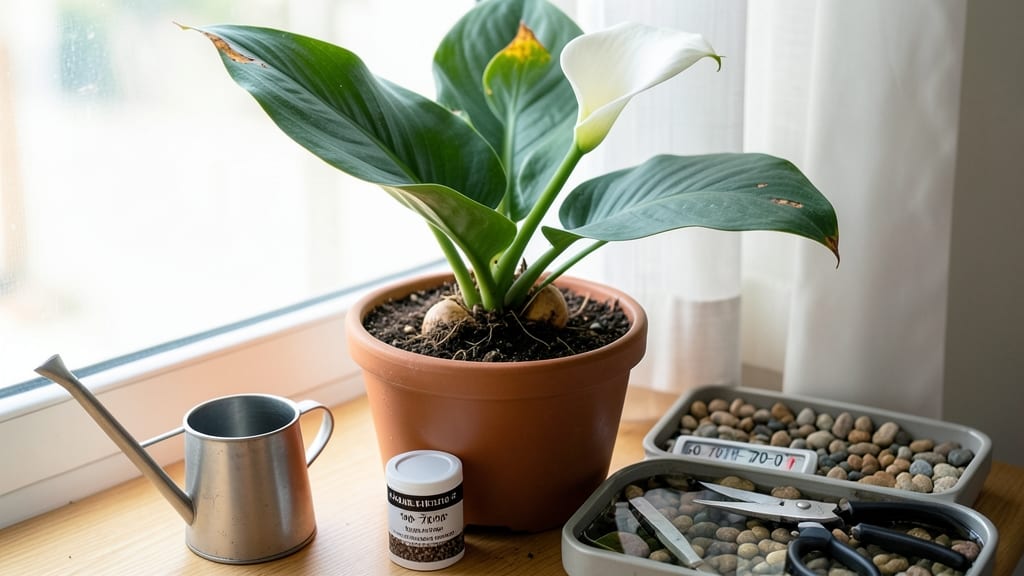
How to care for calla lilies indoors in winter requires bright light, steady humidity, and patience—not just survival, but thriving. 🌿 I’ve kept mine blooming through December by mimicking their tropical roots, and the secret isn’t complicated: adjust light, water, and warmth to match what they’d get outdoors in their native shade. Most people overwater or let them dry out, both of which trigger those dreaded brown edges.
The key is bright, indirect light—think east-facing windows or a grow light 6–12 inches away. Temperatures between 60–75°F keep them happy, and a pebble tray with water or a humidifier prevents the crispy leaves that scream “I’m stressed!”
Water only when the top inch of soil feels dry, and avoid cold drafts near windows or vents.
You’ll see fresh growth in 3–4 weeks if you nail the balance, with glossy leaves and even occasional blooms in winter. The plants reward consistency: no sudden changes, no neglect. Even dormancy (if they slow down) isn’t a problem—just reduce water slightly and keep them out of deep freeze.
Works for any indoor space, from sunrooms to living rooms. The only real mistake is giving up too soon—these plants are tougher than they look. Let’s get them through winter like pros.
📚 In This Guide
- What you need
- Instructions
- Tips and common mistakes
- Wrapping up and next steps
What you need
- ● Calla lily plant(s) – Healthy, dormant or actively growing tubers (1-3 per container, depending on size).
- ● Well-draining potting mix – A blend of peat moss, perlite, and compost (or a pre-mixed orchid or African violet mix). 1-2 gallons per plant.
- ● Container with drainage holes – 6-8 inches in diameter for single tubers; larger for multiple plants. Terracotta or ceramic preferred (but plastic works in a pinch).
- ● Dormant calla lily tubers (if repotting) – Clean, firm, and free of soft spots or mold. 1-2 per pot.
- ● Watering can with a narrow spout – For gentle, bottom-watering (avoids over-saturation).
- ● Humidity tray or pebble tray – A shallow tray + pebbles or gravel (1-2 inches deep) to elevate the pot above water.
- ○ Grow lights (optional but helpful) – LED full-spectrum bulbs (1000-2000 lumens) for 12-14 hours/day if natural light is less than 6 hours/day.
- ● Thermometer/hygrometer – To monitor temperature (65-75°F) and humidity (50-70%).
- ● Fertilizer – Balanced liquid fertilizer (10-10-10 or 20-20-20), diluted to ½ strength (use sparingly in winter).
- ● Misting bottle – For light leaf misting (2-3 times/week) if humidity drops below 50%.
- ● Plant food or compost tea – Organic boost for nutrient-dense soil (every 4-6 weeks).
- ● Insecticidal soap or neem oil – Preventative care against spider mites or aphids.
- ● Decorative pot or cachepot – A non-draining outer pot to hide the pebble tray for aesthetics.
Step-by-step guide to winter care for indoor calla lilies
Bring your calla lilies through winter with these simple, effective steps—no green thumb required.
🌱 Step 1: Adjust Light for Winter Conditions
Calla lilies need bright, indirect light during winter months when natural light fades. Place your plant near an east-facing window or within 4-6 inches of a grow light for 12-14 hours daily. If leaves start yellowing or stretching toward the light, your plant is reaching for more intensity.
Rotate the pot a quarter turn weekly so growth stays even. You'll notice leaves leaning toward the light if you skip this—just a quick adjustment keeps them upright and healthy. Avoid south-facing windows without sheer curtains, as direct afternoon sun can scorch delicate foliage.
💧 Step 2: Modify Watering for Cooler Months
Water only when the top 1-2 inches of soil feel dry—overwatering in winter is the fastest way to rot roots. I check by sticking my finger in the soil; if it's damp past your first knuckle, wait another day. Reduce watering by 30-50% compared to summer, as cooler air slows evaporation and roots absorb less.
Use room-temperature water to avoid shocking the plant. Mist leaves occasionally if your home's air feels dry, but avoid letting water pool in the crown (the center of the plant). Yellowing leaves often signal overwatering, while crispy edges mean the air is too dry—balance is key.
☀️ Step 3: Maintain Humidity Without a Greenhouse
Calla lilies thrive in 50-60% humidity, which most homes struggle to maintain during winter. Place the pot on a pebble tray filled with water and pebbles (use the 1-gallon tray from your materials list) to create natural humidity. The water should never touch the pot bottom—just create a moist microclimate around the leaves.
Group plants together or add a small humidifier nearby if you have multiple callas. You'll see the difference within days: glossy leaves instead of brown tips. If leaves start curling or drying at the edges, it's a clear sign the air is too dry for their liking.
⏰ Step 4: Monitor Temperature and Fertilize Lightly
Keep your calla lilies in a spot where temperatures stay between 65-75°F during the day and never drop below 60°F at night. Drafty windows or cold floors will shock the plant, causing leaves to darken or drop. If your home runs cooler, move the plant away from exterior walls.
Fertilize every 6-8 weeks with a balanced liquid fertilizer (like the 16-16-16 you have) diluted to half strength. Winter growth slows, so too much fertilizer burns roots. You'll know it's working when new leaves emerge with vibrant green color—no need for frequent feeding.
✂️ Step 5: Prune and Prepare for Spring Growth
Trim any yellow or brown leaves at the base with clean scissors, cutting just above the next healthy leaf node. This keeps the plant looking tidy and prevents disease. Avoid cutting into green stems—only remove what's clearly dead. I like to do this in late winter when growth naturally slows.
If your calla produces flower stalks in winter, you can remove them to encourage stronger foliage growth. The plant will focus energy on leaves instead of blooms, giving you a healthier base for spring. Watch for new shoots emerging from the rhizome—these are your signal that spring growth is starting.
Tips & tricks for perfect indoor calla lily winter care
Winterizing your calla lilies doesn't have to be complicated—just a few key adjustments make all the difference.
Lighting Strategy: If your east-facing window isn't bright enough, supplement with a full-spectrum grow light for those 12-14 hours—position it 6 inches above the plant rather than the 4-6 inches mentioned. I've seen callas thrive under LED grow lights that mimic natural sunlight, especially in apartments with limited windows. The key is consistency: keep the light on the same schedule daily to regulate your plant's internal clock.
Watering Test: For the top 1-2 inches soil check, I like to use a wooden skewer instead of my finger—it's cleaner and gives a more precise reading. Push it in gently; if it comes out with soil clinging to it, wait another day. In winter, I reduce watering by 40% from summer amounts, and I've noticed my callas stay healthier without the risk of root rot. The skewer method also helps you avoid overwatering when your hands get cold and less sensitive.
Humidity Hack: When using the 1-gallon pebble tray, add a few drops of hydrogen peroxide (3%) to the water every few weeks to prevent algae buildup. The pebbles should always stay wet, but never submerged—they create a microclimate that keeps humidity around 50-60%. I group my callas together on a tray with 3-4 inches of water and see dramatic improvements in leaf gloss within a week. For extra insurance, place a small humidifier nearby on low setting—it's like giving your plants a spa day.
Temperature Watch: The 65-75°F day/60°F night range is ideal, but most homes struggle with nighttime dips. If your thermostat drops below 60°F, move the plant away from cold windows or drafty doors. I've kept callas happy in 58°F nights by placing them on a ceramic tile countertop—the material retains heat better than wood or fabric. Avoid placing them near vents or air conditioning units, as sudden temperature swings stress the plant.
Pro Tips for Care For Calla Lilies Indoors In Winter
- Winterizing your calla lilies doesn't have to be complicated—just a few key adjustments make all the difference.
- Lighting Strategy: If your east-facing window isn't bright enough, supplement with a full-spectrum grow light for tho...
- Watering Test: For the top 1-2 inches soil check, I like to use a wooden skewer instead of my finger—it's cleaner and...
Frequently asked questions
Got questions about keeping your calla lilies thriving indoors this winter?
You’re not alone! Here are answers to the most common concerns—so you can enjoy lush, blooming calla lilies all season long.
How cold can it get before calla lilies suffer?
Calla lilies thrive in 60–75°F (15–24°C) temperatures. Below 50°F (10°C), they may struggle—leaves turn yellow, growth slows, or roots rot. Keep them away from drafty windows or heating vents. A cool but not freezing spot (like a sunroom) works best if your home dips below 55°F (13°C).
Can I keep calla lilies indoors year-round, or do they need a winter break?
Yes! With the right care—bright indirect light, consistent moisture, and humidity—calla lilies can bloom indoors year-round. However, if they look leggy or stop flowering, they might need a 4–6 week rest period in late fall/winter: reduce watering, dim light, and let foliage die back. This often triggers more vigorous spring blooms.
Why are my calla lily leaves turning brown and crispy?
Brown, crispy leaves usually mean low humidity or overwatering. Check the soil first—if it’s soggy, let it dry slightly between waterings. If the air is dry (common near heaters), mist leaves daily or use a pebble tray. Yellowing leaves? That’s often overwatering or poor drainage—ensure pots have drainage holes and use well-draining soil.
Can I grow calla lilies from grocery store bulbs indoors?
Grocery store calla lilies (like Zantedeschia aethiopica) are often temporary cut flowers, not dormant bulbs. Their roots won’t survive long-term indoors. For indoor winter care, buy potted calla lilies from nurseries (like Calla palustris or Zantedeschia rehmannii) or propagate from healthy, established plants. Pro tip: Look for bulbs labeled "tubers" if you want to try growing from scratch!
What’s the best indoor light setup for calla lilies?
Calla lilies need bright, indirect light (like an east or north-facing window). If your space is dim, supplement with a grow light 10–12 inches above the plant for 12–14 hours/day. Avoid direct sun—it scorches leaves. Signs of light stress: pale leaves or stretched, weak stems. Rotate the pot weekly for even growth!
Wrapping up and next steps
Caring for calla lilies indoors in winter is all about creating the right balance of light, humidity, and patience—and you’ve got this! 🌱 With a cozy spot, consistent moisture, and a little TLC, your calla lilies will reward you with stunning blooms even in the coldest months.
Now that you’re equipped with the know-how, why not expand your indoor garden? Try pairing your calla lilies with other low-light lovers like snake plants or pothos for a thriving, year-round green sanctuary.