
Container Gardens
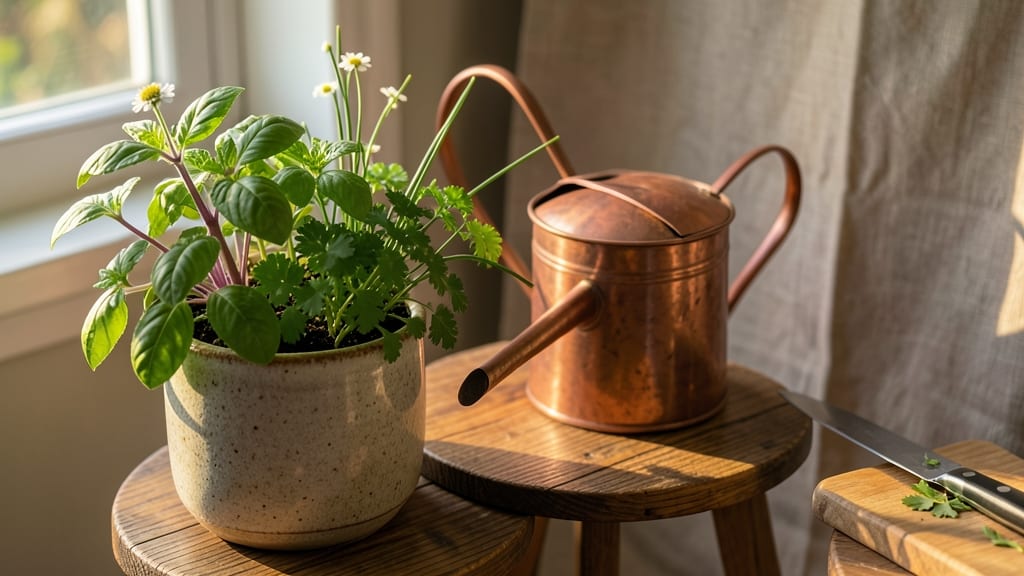
Indoor gardening activities don’t require a green thumb—just a sunny spot and 15 minutes a week. 🌱 I’ve turned my dim apartment into a mini jungle with just three simple setups: windowsill herbs, a self-watering terrarium, and a hanging succulent garden.
The best part? No dirt, no mess, and zero experience needed.
Start with easy-to-grow plants like pothos, spider plants, or basil—all thrive under fluorescent lights or near windows. You’ll need basic supplies: small pots, potting mix, and a spray bottle for humidity. Even my black thumb kept these alive for months without fancy tools.
By summer’s end, you’ll have lush greenery that brightens any room and fresh herbs ready for cooking. The projects scale from tiny terrariums to full vertical gardens, so you can grow as much—or as little—as you want.
Troubleshooting is simple: yellow leaves mean too much water, brown tips mean dry air. Adjust and watch your plants bounce back faster than you’d expect. Ready to turn your space green?
📚 In This Guide
- What you need
- Instructions
- Tips and common mistakes
- Wrapping up and next steps
What you need
- ● Containers: 3–5 small to medium pots (6–12 inches in diameter) with drainage holes. Options: ceramic, plastic, or fabric grow bags.
- ● Potting Mix: 1 bag (1–2 quarts) of lightweight, well-draining seed-starting mix or cactus/succulent soil (for drought-tolerant plants).
- ● Seeds or Seedlings: Beginner-friendly picks: herbs (basil, mint), leafy greens (lettuce, spinach), or succulents (jade plant, snake plant).
- ● Quantity: 1–2 seeds per container (or 1–2 seedlings if starting with plants).
- ● Watering Can or Spray Bottle: 1 with a gentle spray nozzle for precision.
- ○ Grow Lights (Optional but Helpful): 1–2 LED full-spectrum bulbs (10W–20W) or a small grow light kit for 12+ hours of light/day.
- ● Humidity Dome or Plastic Wrap: 1–2 small domes or a sheet to retain moisture during germination.
- ○ Fertilizer (Optional): 1 bottle of balanced liquid fertilizer (5-5-5 or 10-10-10) or slow-release granules.
- ○ Pruning Shears (Optional): 1 pair for trimming overgrown plants.
- ● Space: A sunny windowsill (south- or west-facing ideal) or a spot near a grow light.
- ● Time Commitment: 5–10 minutes daily for watering and occasional checks.
- ● Patience: Germination can take 7–21 days—resist the urge to overwater!
- ● Basic Tools: A measuring cup (for water/fertilizer) and a notebook to track progress.
Simple indoor gardening activities for absolute beginners
Here’s how to bring life indoors without stress—just follow these easy, foolproof steps.
🌱 Step 1: Start with Low-Maintenance Plants
Snag a few easy-care plants like pothos, snake plants, or spider plants—they thrive in low light and forgive occasional watering mistakes. I always pick plants labeled "beginner-friendly" at the nursery, and they’ve never let me down. Place them near a bright window or under a simple grow light for 6-8 hours daily.
You’ll know you’ve chosen the right plants when they bounce back from neglect. Watch for signs of stress like droopy leaves (underwatering) or yellowing (overwatering)—these plants rarely show either. A single pothos cutting in water can grow into a lush plant in weeks, proving how little you actually need to get started.
🪴 Step 2: Set Up Proper Containers and Drainage
Use pots with drainage holes to prevent root rot—no fancy materials needed. I repurpose old mugs, teacups, or even plastic containers with holes drilled in the bottom. Fill the pot with 2-3 inches of potting mix, leaving room for roots to grow. Tap the pot gently to settle the soil without compacting it too much.
Here’s the thing—most indoor plants die from overwatering, not underwatering. Stick your finger 1 inch into the soil before watering. If it feels dry, water until liquid drains from the bottom. Empty the saucer afterward to avoid soggy roots. This simple habit keeps plants alive for months without guesswork.
☀️ Step 3: Master the Light Requirements
Most indoor spaces lack ideal growing light, so I use a 10-15 watt LED grow bulb for 12 hours daily. Position it 6-12 inches above the plants and adjust as they grow. If you don’t have a grow light, rotate plants weekly to ensure even growth—you’ll spot leggy stems leaning toward the window.
Watch for these visual cues: dark green leaves mean more light; pale, stretched leaves mean it’s too far away. A south-facing window is best, but even east or west works if you supplement with a simple bulb. Avoid drafts near windows or vents—they stress plants faster than poor light.
💧 Step 4: Water with Confidence (Not Guesswork)
Water when the top 1-2 inches of soil feel dry, but never on a schedule. I use the "soak and dry" method: water until liquid runs from the bottom, then wait until the surface dries before repeating. Overwatering is the #1 killer of houseplants, so when in doubt, wait another day.
Mist leaves occasionally for humidity-loving plants like ferns, but most beginners do better with regular watering alone. You’ll see new growth within weeks—thick, vibrant leaves mean you’re doing it right. If leaves crisp or brown at the edges, your water has too much chlorine; let tap water sit out overnight before using.
✂️ Step 5: Prune and Propagate for Growth
Trim leggy stems to encourage bushier growth, and use those cuttings to propagate new plants. Dip the cut end in water, then place it in a jar of water near light. Roots appear in 2-4 weeks—this is how I’ve turned one pothos into a dozen without spending a dime.
Remove yellow or brown leaves immediately; they drain energy from healthy growth. A quick snip with clean scissors keeps plants tidy and encourages new shoots. You’ll notice faster growth after pruning—it’s like giving your plants a fresh start. Save the cuttings in water until they root, then repot them for instant new plants.
Tips & tricks for indoor gardening success
Here's what nobody tells you about keeping your indoor plants thriving without the guesswork.
Lighting Strategy: The 6-8 hours of daily light in Step 1 can be tricky with seasonal changes. I place my plants on a rotating schedule near the brightest window during winter months when daylight is shorter. For even easier management, set a phone alarm to remind you to rotate plants weekly—this ensures balanced growth without leggy stems reaching for light.
Container Creativity: Don't limit yourself to traditional pots! Old teacups, colanders, or even repurposed tin cans with drainage holes work perfectly for Step 2. The key is ensuring proper drainage—poke holes in the bottom if needed. I've even used hollowed-out avocado halves for small cuttings, which adds a fun, decorative touch while still meeting the 2-3 inches of potting mix requirement.
Watering Confidence: The "soak and dry" method from Step 4 becomes even easier with the right tools. Invest in a moisture meter ($10 at garden stores) to take the guesswork out of checking soil moisture. These devices give precise readings at the 1-inch depth mentioned in instructions, preventing both underwatering and overwatering. I keep mine near my plant collection for quick checks before watering.
Propagation Payoff: When propagating in Step 5, place your cuttings in a jar of water with the leaves just above the waterline. Change the water every 3-4 days to prevent bacterial growth, and you'll see roots forming in those 2-4 weeks. I keep a small notebook to track when I started each cutting—it's amazing how quickly these simple plants multiply with minimal effort.
Pro Tips for Indoor Gardening Activities
- Here's what nobody tells you about keeping your indoor plants thriving without the guesswork.
- Lighting Strategy: The 6-8 hours of daily light in Step 1 can be tricky with seasonal changes.
- Container Creativity: Don't limit yourself to traditional pots!
Frequently asked questions
Got questions about diving into indoor gardening? You’re not alone—let’s tackle the most common ones to get you growing with confidence!
What are the easiest plants for beginners to grow indoors?
Start with low-maintenance plants like snake plants, pothos, or peperomia. These thrive in indirect light, need minimal water, and forgive occasional neglect. Herbs like basil or mint are also great for beginners—they’re fast-growing and rewarding!
How often should I water my indoor plants?
Watering depends on the plant and environment, but a good rule is to check soil moisture weekly. Stick your finger 1-2 inches into the soil—if it’s dry, water thoroughly. Overwatering is a common mistake, so always use pots with drainage holes to avoid root rot. Less is more!
Can I use regular household lights for indoor gardening?
While natural light is ideal, many indoor plants can thrive under grow lights or even bright LED bulbs (like full-spectrum ones). If you’re short on sunlight, opt for a 10-12 hour daily light cycle with grow lights to keep your plants happy. Just avoid placing them too close to heat sources!
What should I do if my indoor plants start looking sad or wilted?
Wilting often means overwatering or underwatering. First, check the soil—if it’s soggy, let it dry out; if it’s bone-dry, give it a drink. Yellow leaves? Trim them and adjust watering. Brown tips? Boost humidity with a pebble tray or misting. Most issues are fixable with a little TLC!
Do I need a greenhouse or special setup for indoor gardening?
Not at all! A sunny windowsill, a few basic tools (like shears and a spray bottle), and containers with drainage are all you need. Greenhouses are optional—great for advanced growers or larger setups. Start small, and expand as you gain confidence!
Wrapping up and next steps
Indoor gardening is a rewarding way to bring nature into your home—no green thumb required! 🌱 Whether you’re growing herbs in sunny windows or nurturing low-light plants, these activities make caring for greenery simple, fun, and fulfilling. Start small, stay consistent, and watch your space (and confidence) bloom!
Ready to take the next step? Pick one plant or project from this guide and give it a try this week! Share your progress or ask questions in the comments—we’re here to cheer you on. Happy growing! 🌿