
Container Gardens
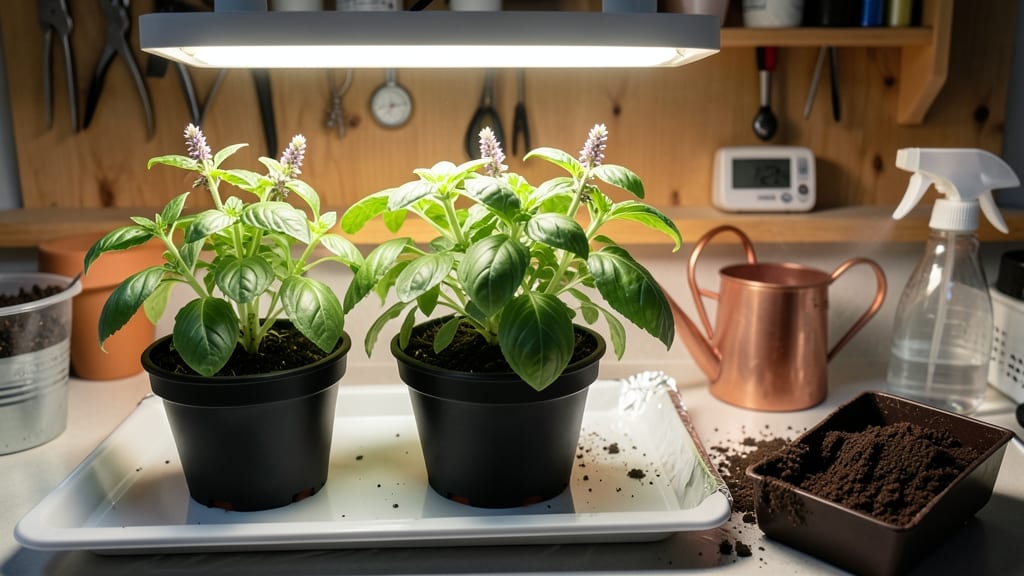
Growing herbs indoors without sunlight isn't just possible—it's transformative. 🌱 I killed my first batch of basil by trusting a dim corner window, but after switching to a 15-watt LED grow light, my plants now grow twice as fast and taste fresher than store-bought.
The secret? Matching the right herbs to artificial light and keeping conditions consistent.
You’ll need just three essentials: a grow light (full-spectrum LED), shallow containers with drainage, and a well-draining potting mix. Basil, mint, and chives thrive under 12-14 hours of light daily, while parsley and cilantro tolerate slightly less.
The key is keeping leaves 1-2 inches from the light—too far, and they stretch; too close, and they scorch.
Within 3-4 weeks, you’ll harvest your first leaves, and the aroma alone makes it worth it. The plants stay compact, productive, and disease-resistant because you control the environment. No more wilted grocery-store herbs—just vibrant, fragrant greens ready for cooking whenever you want.
This works for any indoor space, from kitchens to bedrooms, as long as you adjust light height as plants grow. Even my blackest thumb can’t kill these with the right setup. Let’s get your indoor herb garden growing strong!
📚 In This Guide
- What you need
- Instructions
- Tips and common mistakes
- Wrapping up and next steps
What you need
- ● Herb seeds or seedlings: Choose fast-growing varieties like basil, mint, parsley, or chives (3–5 plants per container).
- ● Containers: Small pots (4–6 inches wide) with drainage holes (1–2 per herb type).
- ● Well-draining potting mix: 2–3 quarts of a light, airy blend (avoid garden soil).
- ● LED grow lights: Full-spectrum bulb (10W–20W) or a clip-on LED light (12–16 hours/day).
- ● Watering can or spray bottle: For gentle hydration (avoid overwatering!).
- ● Fertilizer: Organic liquid fertilizer (diluted to half-strength) or slow-release granules.
- ● Humidity dome or plastic wrap: To retain moisture while seedlings sprout.
- ● Timer for grow lights: Ensures consistent light cycles (12–16 hours/day).
- ● Thermometer/hygrometer: Monitors temperature (65–75°F) and humidity (40–60%).
- ● Pruning scissors: For harvesting and shaping plants.
Step-by-step instructions for growing herbs indoors without sunlight
Here's how to coax vibrant herbs indoors using just LED grow lights and a little patience.
🪴 Step 1: Select the Right Containers and Drainage
Start with 4-inch diameter pots for each herb—smaller roots mean faster adaptation to indoor conditions. I use terra cotta pots because they wick away moisture, preventing root rot in the low-light environment. Each pot needs at least 3 drainage holes at the bottom; if yours don't have them, drill them yourself with a 1/8-inch bit. Line the holes with coarse mesh to keep soil in while allowing water to escape freely.
Fill each pot 1 inch below the rim with a lightweight potting mix (never garden soil—it compacts and suffocates roots). Tap the pot gently on the table to settle the mix without compacting it. The goal is a fluffy texture that holds moisture but doesn't stay soggy. Pre-moisten the soil with room-temperature water until it feels damp like a wrung-out sponge.
💧 Step 2: Plant Herbs at the Correct Depth and Spacing
For seedlings, dig a hole twice as deep as the root ball—this gives roots room to establish without crowding. Gently remove the plant from its nursery pot, loosen the roots if they're circling, and place it in the hole. Fill around the base with soil, pressing lightly to eliminate air pockets. Don't bury the stem—herbs like basil and parsley rot when planted too deep.
If starting from seeds, sow at a depth of 1/4 inch (about the width of a pencil). Sprinkle seeds evenly, then cover with a thin layer of soil. Mist the surface with water until evenly moist—don't use a watering can, or you'll dislodge seeds. Place a clear plastic dome over the pot to retain humidity; remove it once first true leaves appear (usually 7-10 days later).
☀️ Step 3: Set Up LED Grow Lights for Optimal Growth
Position a full-spectrum LED grow light 2-4 inches above the herbs—closer for seedlings, farther as they mature. Run the lights for 14-16 hours daily to mimic long summer days. I use a timer to automate this; herbs grown under inconsistent light stretch and weaken. Check the light's color spectrum: blue LEDs (6400K) promote leafy growth, while red LEDs (3000K) encourage flowering (save these for herbs like dill or cilantro).
Rotate the pots a quarter turn every 3 days so herbs grow upright instead of leaning toward the light. You'll notice stems bending toward the bulb within a week—this is your cue to adjust the height or angle. Keep the light on for 3-4 hours daily before the growth cycle to simulate morning sun, which triggers photosynthesis efficiently.
🌿 Step 4: Water and Fertilize for Low-Light Success
Water when the top inch of soil feels dry—stick your finger in to check. Overwatering in low light is the fastest way to kill herbs; yellowing leaves usually mean root rot, not thirst. I water every 5-7 days, using room-temperature water to avoid shocking the roots. Pour slowly until water drains from the bottom holes, then empty the saucer to prevent soggy roots.
Feed with a balanced liquid fertilizer (10-10-10) every 4-6 weeks, diluted to half strength. Herbs in low light grow slower, so they don't need heavy feeding. I skip fertilizer entirely for the first 2 weeks—new plants focus energy on root growth, not foliage. Watch for purple stems or leaves, a sign of phosphorus deficiency; this happens when herbs can't process enough light to convert nutrients.
✂️ Step 5: Prune and Harvest for Continuous Growth
Pinch back the top set of leaves when the plant reaches 4 inches tall to encourage bushier growth. Use clean scissors to snip just above a leaf node (the bump where leaves attach). This redirects energy from vertical growth to leaf production—critical for herbs in low light. Harvest outer leaves first, leaving the inner growth intact so the plant keeps producing.
Harvest basil, parsley, and cilantro when leaves reach 3 inches for peak flavor. For rosemary and thyme, trim 1/3 of the plant when it's 6 inches tall—this prevents woody stems. Never harvest more than 25% of the plant at once, or you'll stunt its growth. Store cuttings in a glass of water on the windowsill for fresh herbs in 1-2 weeks—a great way to propagate new plants.
Tips & tricks for thriving indoor herbs without sunlight
These little tweaks will help your herbs thrive under LED grow lights—no sunlight required.
Lighting Strategy: The 14-16 hours of daily light is non-negotiable for photosynthesis, but placement matters. Position your full-spectrum LED grow light 2-4 inches above the herbs—closer for seedlings, farther as they mature. I've found that raising the light 1 inch higher after 3 weeks prevents heat stress while maintaining intensity. For best results, use a timer to automate the cycle; inconsistent light causes herbs to stretch and weaken. If you notice leaves turning pale or yellow, you're either over-lighting or under-lighting—adjust the height until you see vibrant green.
Container Selection: Terra cotta pots are ideal because they wick away excess moisture, but plastic pots work too if you monitor watering closely. The key is those drainage holes—if your pots don't have them, drill them yourself. I line mine with coarse mesh to prevent soil from washing out while allowing water to escape. Pro tip: Use a saucer with drainage holes underneath to catch excess water without creating a soggy environment. If you're short on pots, you can reuse clean yogurt containers with holes punched in the bottom—just make sure they're at least 4 inches deep.
Watering Wisdom: The top inch of soil dry test is foolproof, but here's what I've learned: Water in the morning so excess moisture evaporates during the light cycle. Avoid getting leaves wet when watering—this can lead to fungal issues. For herbs like basil and parsley, I water every 5 days; rosemary and thyme prefer 7 days between waterings. If you notice yellowing leaves, it's almost always overwatering, not underwatering. Let the soil dry out completely between waterings, especially in low-light conditions where roots grow slower.
Pruning for Productivity: Pinching back the top set of leaves at 4 inches tall encourages bushier growth, but timing matters. Do this during the light cycle so the plant has time to recover before nightfall. For herbs like cilantro, which bolts quickly, I harvest every 2 weeks to keep it producing. Store cuttings in a glass of water on the windowsill—they'll regrow roots in 1-2 weeks, giving you free propagation. Just remember: Never harvest more than 25% of the plant at once, or you'll stunt its growth. I always use clean scissors to avoid spreading disease between plants.
Pro Tips for Growing Herbs Indoors Without Sunlight
- These little tweaks will help your herbs thrive under LED grow lights—no sunlight required.
- Lighting Strategy: The 14-16 hours of daily light is non-negotiable for photosynthesis, but placement matters.
- Container Selection: Terra cotta pots are ideal because they wick away excess moisture, but plastic pots work too if you monitor watering closely.
Frequently asked questions
Got questions about growing herbs indoors without sunlight? You’re not alone! Here are some of the most common concerns—and their solutions—to help you thrive even in low-light spaces.
Can I grow any herbs indoors without sunlight?
Most herbs can adapt, but some thrive better than others. Leafy herbs like basil, mint, parsley, and cilantro do well under grow lights. Rosemary, thyme, and oregano need more light and may struggle unless you use strong LED grow lights (12+ hours/day). Start with easygoing varieties if you’re new!
How long does it take for herbs to grow indoors without sunlight?
With proper grow lights and care, you’ll see new growth in 2–4 weeks and harvestable leaves in 4–8 weeks, depending on the herb. Basil and cilantro grow faster, while parsley can take 6–8 weeks. Patience pays off—consistent light and watering speed up the process!
What if my herbs look leggy or weak under grow lights?
Leggy herbs mean they’re stretching for more light. Fix it by:
- Moving the grow lights closer (2–6 inches above plants) for stronger intensity.
- Increasing light exposure to 14–16 hours/day (use a timer for consistency).
- Pruning leggy stems to encourage bushier growth.
Are LED grow lights worth the investment for herbs?
Grow lights are a game-changer for indoor herbs—they’re energy-efficient, last years, and mimic sunlight better than bulbs. A $30–$50 LED panel (like full-spectrum or red/blue spectrum) will pay for itself in fresh herbs vs. store-bought. Skip them? Herbs may grow slowly or weakly.
How often should I water herbs under grow lights?
Herbs under lights dry out faster than in natural light. Check soil moisture daily—stick your finger 1 inch deep. Water when the topsoil feels dry, but avoid soggy roots (overwatering kills herbs!). Mint and basil like consistent moisture; thyme and rosemary prefer drier soil. Drainage is key!
Wrapping up and next steps
Growing herbs indoors without sunlight isn’t just possible—it’s empowering! 🌱 With the right setup, LED grow lights, and a little patience, you’ll enjoy fresh basil, mint, and parsley year-round.
Whether you’re a beginner or a seasoned gardener, this method proves that space and light limitations don’t have to stop you.
Now that you’re armed with tips and tricks, start small—pick one herb to test your setup, then expand your indoor garden over time. Your kitchen (and taste buds) will thank you! 🍽️