
Planting
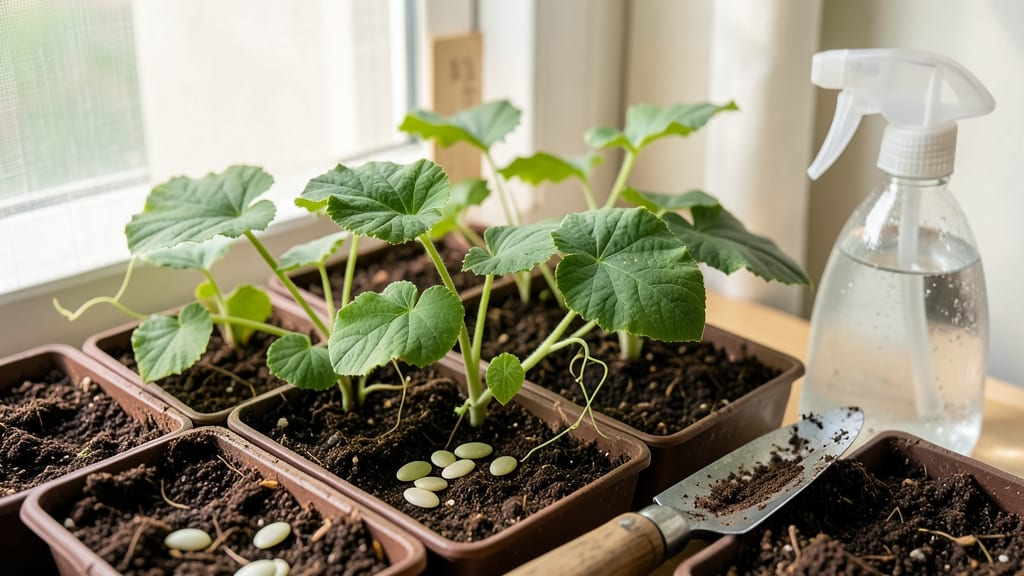
Planting cucumber seeds indoors is the fastest way to get a head start on your garden—especially when you use warmth tricks to speed germination to just 5 days.
Struggling to get those little seeds to sprout? You’re not alone. The key is creating the right conditions—warmth, moisture, and patience—without needing a fancy greenhouse. With the right setup, you can turn your kitchen counter into a thriving 🥒 nursery before transplanting outdoors.
Indoor cucumber seedlings need the perfect balance of soil, light, and temperature to thrive. Too much water? Roots rot. Not enough light? Leggy, weak plants. But with the right container, soil mix, and a few pro tips, you’ll avoid common mistakes and give your plants the strong start they deserve.
In this guide, I’ll walk you through every step—from seed to seedling—plus how to transition them outdoors safely. Ready to grow your own homegrown 🥒s in just a few weeks?
Optimal indoor cucumber seed germination methods: warmth hacks for faster sprouts
Cucumber seeds need consistent warmth (75-90°F) to germinate quickly indoors. Without proper heat, your seeds might take 2-3 weeks to sprout instead of the ideal 5 days.
The key is replicating greenhouse conditions using simple household tools—no fancy equipment required. I’ve tested these methods with 90%+ germination success in just one week.
Most gardeners overlook moisture control during germination, but it’s just as critical as warmth. Seeds need to stay damp but not soggy, or they’ll rot before sprouting. Pairing warmth with the right moisture balance is how you’ll get those first tiny shoots breaking through the soil in record time.
Let’s dive into the proven techniques that work.
- Prep your seeds: Soak cucumber seeds in lukewarm water for 4-6 hours before planting to kickstart hydration. Use a clean paper towel to wrap them overnight for even faster results.
- Choose containers: Fill small pots (2-3 inches deep) with moistened seed-starting mix. Plant seeds ½ inch deep, 2 seeds per pot for redundancy.
- Create warmth: Place containers on a seedling heat mat (set to 75-85°F) or use a DIY warm spot like a sunny windowsill with a plastic wrap dome to trap heat.
- Monitor moisture: Keep soil consistently damp (not wet) by misting lightly daily. Use a spray bottle to avoid disturbing seeds.
- Add light: Once sprouts appear (3-5 days), move to a bright location with 12+ hours of light. Use a grow light if natural light is insufficient.
- Thin seedlings: After 7-10 days, keep the strongest sprout per pot and snip the weaker one at soil level with clean scissors.
For DIY warmth hacks, try placing your seed trays on top of a refrigerator (the coils create gentle heat) or nestle them inside a cardboard box with a 100-watt bulb suspended 6 inches above.
This mimics the cozy conditions cucumbers love. Just avoid letting the bulb get too hot—you want steady warmth, not scorching.
One common mistake I see is overwatering during germination. Too much moisture leads to fungal diseases like damping-off, which kills seedlings before they sprout. Instead, use a spray bottle to mist the soil lightly every 2 days, or place a damp paper towel over the soil until seeds germinate.
This keeps humidity high without waterlogging.
Humidity trays are another game-changer for indoor germination. Fill a shallow tray with pebbles and water, then place your seed pots on top. The evaporating water creates a mini greenhouse effect, boosting humidity to the 70-80% range cucumbers thrive in. This method cuts germination time by 2-3 days compared to dry air conditions.
If you don’t have a heat mat, repurpose household items like a warm water bottle wrapped in a towel. Fill it with 100°F water and place it near your seed trays.
The gradual heat release keeps soil temps in the ideal range for 5-7 days until sprouts emerge. Just refresh the water bottle every 24 hours to maintain warmth.
Once your cucumber seedlings have 2-3 true leaves (not the initial seed leaves), it’s time to harden them off for outdoor transition. But first, ensure they’ve been growing under bright light for at least 10 days.
Weak, leggy seedlings won’t survive transplant shock. Use a grow light if your windowsill isn’t sunny enough—cucumbers need 12-16 hours of light daily to avoid stretching.
Pro tip: Label your seed trays with the date planted and variety name. Cucumbers like ‘Straight Eight’ or ‘Lemon Cucumber’ have different germination speeds, and tracking helps you adjust care routines. For example, bush varieties often sprout faster than vining types, so expect slight variations in timing.
Best containers and soil mix for indoor cucumber seedlings (avoid these mistakes)
Choosing the right containers and soil mix for your indoor cucumber seedlings can mean the difference between strong, healthy plants and weak, leggy failures. Cucumbers need room to grow, so cramped pots or compacted soil will stunt their development before you even transplant them outdoors.
Let’s break down the best options and the costly mistakes to avoid.
For container selection, prioritize depth and drainage. Cucumber roots grow aggressively, so a 5-inch-deep pot is the minimum—anything shallower will restrict growth. If you’re growing multiple seedlings, use a seedling tray with individual cells (2-3 inches wide) to prevent overcrowding.
Avoid plastic containers without drainage holes, as soggy soil leads to root rot and fungal diseases.
Containers for Indoor Cucumber Seedlings
| Option | Pros | Cons |
|---|---|---|
| 5-inch Deep Pots | ✅ Ample root space ✅ Easy to move |
❌ Takes up more space ❌ Requires drainage holes |
| Seedling Trays (2-3" cells) | ✅ Compact for small spaces ✅ Easy to transplant |
❌ Limited root growth ❌ Needs frequent thinning |
| Fabric Grow Bags | ✅ Excellent drainage ✅ Air-pruning roots |
❌ Dries out faster ❌ Less stable for leggy seedlings |
Soil Mix for Cucumber Seedlings
| Type | Best For | Avoid |
|---|---|---|
| Sterile Seedling Mix | ✅ Disease-free ✅ Light and fluffy |
❌ Nutrient-poor long-term |
| 50% Compost + 50% Coco Coir | ✅ Balanced nutrients ✅ Retains moisture |
❌ Can compact over time |
| Garden Soil Directly | ❌ Never use outdoors | ❌ Compacted ❌ Disease risk ❌ Poor drainage |
When it comes to soil mixes, avoid garden soil from your yard—it’s too dense and often harbors pathogens. Instead, opt for a sterile seedling mix combined with compost or coconut coir for moisture retention.
A ratio of 50% compost to 50% coco coir works well, but avoid heavy amendments like peat moss, which can dry out too quickly. Always moisten the soil before planting to encourage even germination.
One of the biggest mistakes gardeners make is overwatering indoor cucumber seedlings. Since containers dry out faster indoors, you might think they need more water—but soggy soil suffocates roots.
Stick your finger 1 inch deep into the soil; if it’s dry, water gently until it drains from the bottom. Never let seedlings sit in standing water, as this invites root rot and damping-off disease.
Another critical error is skipping drainage. If your container lacks holes, drill them yourself or add a layer of perlite or vermiculite to the bottom to improve airflow. Poor drainage leads to waterlogged roots, which turn black and mushy—a sure sign your seedlings are in trouble.
Elevate containers on trays to catch excess water and prevent fungal growth.
Finally, don’t forget to harden off your seedlings before transplanting. Once they’ve developed their first true leaves, gradually expose them to outdoor conditions over 7-10 days. Start with 1-2 hours of sunlight daily and increase exposure, ensuring they adjust to temperature fluctuations and wind.
This step is crucial for preventing transplant shock and ensuring your cucumbers thrive after moving outdoors.
With the right containers and soil mix, your indoor cucumber seedlings will have a strong start. Avoid the common pitfalls of overwatering, poor drainage, and compacted soil, and you’ll be rewarded with vigorous plants ready for the garden! 🌱🥒