
Companion Plants
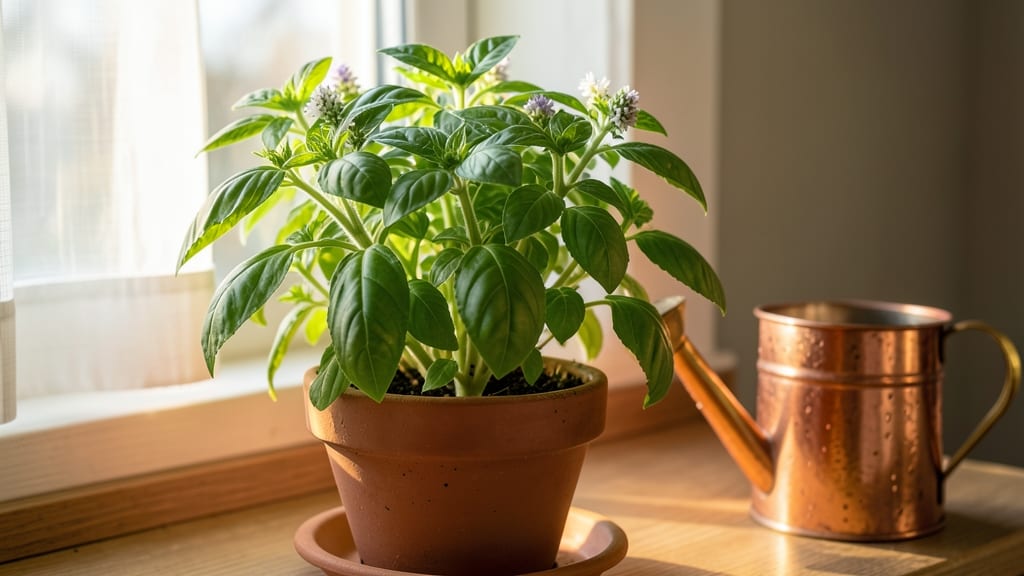
Bringing your basil plant indoors for winter is possible with proper care: place it near a sunny window, supplement with grow lights, and maintain temperatures above 50°F to prevent shock and encourage survival through dormancy or slow growth.
Yes, you can bring your basil plant indoors for winter, but success depends on mimicking its outdoor growing conditions as closely as possible. 🌱 Basil thrives on sunlight—south-facing windows get the most natural light, but even then, you'll likely need to add a grow light for 12-14 hours daily to prevent leggy growth.
The key is gradual adaptation: start by moving your plant indoors for just a few hours a day before full-time transition, and avoid drafts or temperature swings below 50°F, which can stress the plant and invite pests.
Once inside, adjust your care routine to match indoor conditions. Water sparingly—basil needs less moisture indoors—and use a well-draining pot to prevent root rot. A humidifier or pebble tray can help combat dry indoor air, while a gentle fertilizer (half-strength) every 4-6 weeks keeps it nourished.
With these adjustments, your basil can survive winter and even produce new growth, though it may enter a slower, dormant phase.
💡 In This Article
- How to Transition Basil Plants Indoors Without Shocking Them
- Indoor Basil Care Guide: Light, Water, and Container Essentials
How to transition basil plants indoors without shocking them
Basil plants experience three major stress factors when moved indoors: sudden temperature drops, reduced humidity, and insufficient light. These changes trigger a defense response called abscisic acid production, which causes leaves to yellow or wilt as the plant conserves energy.
For example, outdoor basil thrives in 70-80°F with high humidity, while indoor air often sits at 30-50% humidity and 68°F—a drastic shift that weakens the plant. 🌱 The key is gradual acclimation: start by moving your basil indoors for just 2-3 hours/day over 5-7 days before full transition, allowing it to adjust slowly to indoor conditions.
Monitor for early warning signs like yellowing leaves (often the first symptom of stress) or stunted growth (a sign of insufficient light). Basil leaves also become more prone to pests like spider mites in dry indoor air, so check the undersides regularly.
If you notice wilting despite moist soil, it’s likely a humidity issue—grouping plants together or using a pebble tray with water can help restore moisture levels.
Temperature swings are equally critical: keep basil away from drafts, heating vents, or cold windows, as fluctuations below 50°F can stunt growth or even kill the plant.
What most people don’t realize is that basil’s photosynthetic rate drops by 50% or more indoors without supplemental light. This slowdown forces the plant into a dormant state, where growth nearly halts.
To counteract this, place your basil near a south-facing window (which receives the most sunlight) or under a grow light for 12-14 hours/day.
LED grow lights are ideal—they emit full-spectrum light (including red and blue wavelengths) that mimic sunlight, while fluorescent bulbs work but require closer placement (6 inches away vs. 12 inches for LEDs).
Container size also plays a hidden role in stress reduction. Basil roots need space to expand, but overcrowding leads to competition for nutrients and water. If your plant is in a 6-inch pot or smaller, upgrade to an 8-10 inch container with drainage holes to prevent root-bound stress.
Use a well-draining potting mix (like a 50/50 blend of peat moss and perlite) to avoid soggy soil, which can rot roots and attract fungus gnats. 🌿 Even with these adjustments, expect slower growth—basil may enter a semi-dormant phase indoors, but proper care ensures it survives and revives in spring.
For advanced gardeners, consider pruning your basil before bringing it inside. Trim back leggy stems by one-third to encourage bushier growth and reduce stress. Avoid fertilizing during the transition, as excess salts in the soil can further stress the plant.
Instead, wait until it’s fully acclimated (2-3 weeks indoors) before applying a balanced, water-soluble fertilizer at half-strength. This approach mimics the plant’s natural slowdown in winter while keeping it healthy.