
Container Gardens
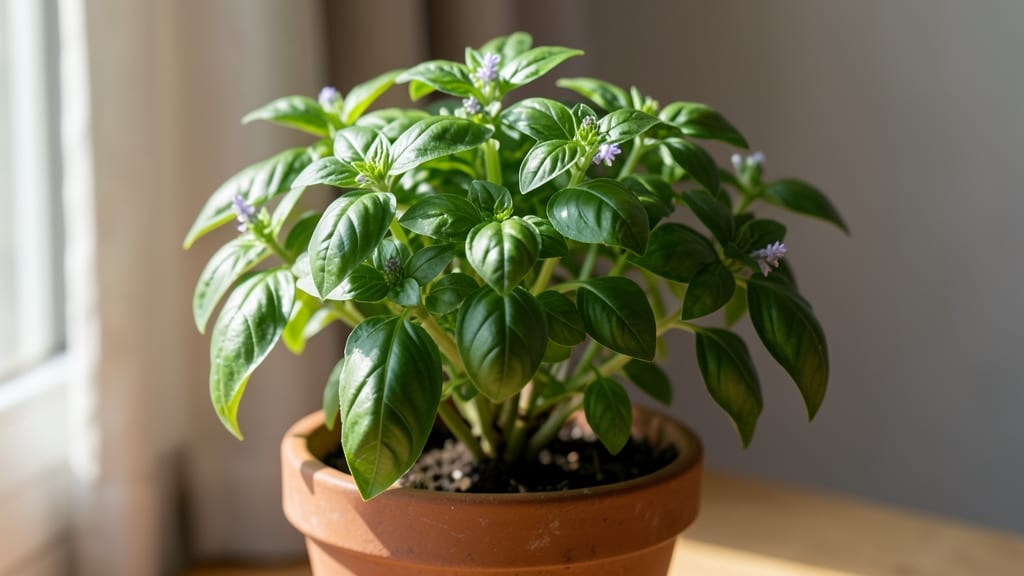
Growing a basil plant indoors transforms your kitchen into a fragrant herb garden in just 3 weeks—no greenhouse or fancy tools required. 🌱 I’ve grown basil indoors for years, and the secret isn’t complicated: it’s about light, water, and a little patience.
My first attempt flopped when I drowned the roots, but now I’ve got a thriving plant that produces more than I can use. You’ll need a sunny windowsill (or a grow light), a small pot with drainage, and well-draining potting mix.
Basil loves warmth and moisture but hates soggy soil—think of it like a thirsty friend who doesn’t want to drown. With the right setup, you’ll snip fresh leaves for pesto or pasta within weeks, and the scent alone makes it worth the effort. The payoff?
A constant supply of fresh basil that outshines store-bought in flavor and aroma. No more wilting stems or bitter taste—just lush, green leaves ready to elevate any dish. Once you master this, you’ll never buy basil again, and your kitchen will always smell like summer.
This method works for any sunny spot, from bright windows to countertops near a grow light. Let’s get your basil growing—no green thumb required!
📚 In This Guide
- What you need
- Instructions
- Tips and common mistakes
- Wrapping up and next steps
What you need
- ● Basil seeds or seedling: 1 packet of genovese, sweet, or purple basil seeds (or 1 healthy basil plant from a nursery).
- ● Container: 1 6-8 inch diameter pot with drainage holes (or a hanging basket with holes). Terracotta or ceramic works best.
- ● Potting mix: 1 bag of well-draining, seed-starting mix (avoid garden soil—it’s too dense!).
- ● Watering can or spray bottle: For gentle, even hydration.
- ○ Fertilizer (optional but helpful): 1 bottle of balanced liquid fertilizer (10-10-10 or 5-5-5) or organic compost tea.
- ● Trowel or spoon: For planting seeds or seedlings.
- ● Misting spray bottle: To keep humidity high (especially for seedlings).
- ○ Grow lights (optional): 1 LED full-spectrum bulb if your windowsill lacks 6+ hours of sunlight.
- ● Plant labels: To track varieties (e.g., “Genovese Basil – Planted 5/15”).
- ● Pruning shears: For harvesting and trimming (sterilize with rubbing alcohol!).
Step-by-step instructions for growing a basil plant indoors
Here’s how to grow a thriving basil plant in just 3 weeks—no fancy equipment needed.
🌱 Step 1: Choose and Prepare Your Basil Seedlings
Start with 4 healthy basil seedlings (or one seed packet if growing from seed). If using seeds, soak them in warm water for 12 hours first—this softens the outer shell and speeds up germination. I like to plant 2 seeds per pot (just in case) about ¼ inch deep in moistened potting mix. Use small pots (around 3-4 inches wide) to encourage root growth before transplanting.
Once sprouted, keep the soil evenly damp (not soggy) by misting lightly every 2-3 days. Basil hates dry soil, but it also can’t sit in water. You’ll know it’s right when the top inch feels slightly damp to touch. Place pots in a warm spot (70-75°F)—a sunny windowsill or under a grow light.
☀️ Step 2: Position for Maximum Light
Basil needs 6+ hours of bright, direct light daily—a south-facing window is ideal. If your space is dim, supplement with a grow light kept 2-4 inches above the plants. Watch for leggy stems (thin, stretched growth) or pale leaves—these mean your basil isn’t getting enough light. Rotate pots quarter-turn daily so plants grow straight instead of leaning.
Morning sun is best—it warms the leaves gently and prevents scorching. If you notice brown leaf tips, the air might be too dry. Place a pebble tray with water nearby to add humidity without overwatering.
💧 Step 3: Water and Fertilize for Fast Growth
Water when the top inch of soil feels dry—usually every 2-3 days, but adjust based on your home’s humidity. Use room-temperature water to avoid shocking the roots. Pour slowly until water drains from the bottom, then empty the saucer to prevent root rot. Overwatering is the #1 killer of indoor basil, so less is more—wilting is better than soggy soil.
Feed with a balanced liquid fertilizer (10-10-10) diluted to half-strength every 2 weeks. I mix it into water and apply it at the base, avoiding the leaves. You’ll see bold green leaves and bushy growth within 10-14 days if the plant is happy. Pinch off any flowers that form—they drain energy from the leaves.
✂️ Step 4: Prune and Harvest for Flavorful Leaves
When your basil reaches 6 inches tall, pinch off the top set of leaves just above a pair of lower leaves. This encourages bushier growth and prevents the plant from flowering too soon. Repeat this every 2-3 weeks—it’s called "harvesting for growth." The more you prune, the more leaves you’ll get! Always use clean scissors to avoid spreading disease.
Harvest outer leaves first, leaving the inner ones to keep growing. Basil tastes strongest when picked early in the morning—the oils are most concentrated. Store fresh leaves in a sealed container with a paper towel to absorb moisture, and they’ll last 5-7 days in the fridge.
🌿 Step 5: Troubleshoot Common Issues
Yellow leaves? Overwatering or poor drainage are usually to blame. Let the soil dry out more between waterings. Pests like aphids? Spray with neem oil or wipe leaves with a soapy water cloth. If leaves curl in hot sun, move the plant a few inches back from the window. Basil is tough—it’ll bounce back if you catch problems early.
By week 3, you’ll have a lush, leafy basil plant ready for cooking. Keep it happy with light, water, and pruning, and it’ll reward you with months of fresh flavor—no garden required!
Tips & tricks for growing a thriving indoor basil plant
Here's what nobody tells you about keeping your basil happy and productive—these tricks make all the difference between a sad little plant and a flourishing herb garden.
Germination Boost: If you're starting from seeds, don't just soak them—give them a warm, dark place to sprout after the 12-hour soak. I use a sealed plastic bag with a damp paper towel inside a warm oven (turned off) for perfect germination. Once sprouted, move to light immediately. The key is keeping that moisture consistent during those first critical days.
Light Strategy: That 6+ hours of light requirement is non-negotiable, but here's the secret: rotate your pots quarter-turn daily to prevent leaning. I set a timer reminder on my phone—it takes 30 seconds and prevents those awkward, sun-starved stems. If you notice leaves turning pale, you're not getting enough light, and that means weaker flavor too. Morning sun is best because it warms the leaves gradually instead of scorching them.
Watering Wisdom: The "top inch dry" rule is perfect, but here's how to check properly: stick your finger in—it should feel slightly damp, like a wrung-out sponge. Too dry? You've waited too long. Too wet? Your basil is drowning. I use a spray bottle for misting because it gives me better control than pouring. And always empty that saucer—root rot is a silent killer that shows up as yellow leaves.
Pruning Payoff: When you pinch those top leaves at 6 inches, you're not just shaping the plant—you're encouraging it to grow bushier. I do this every 2-3 weeks, and it's amazing how much more leafy my plants become. Pro tip: use clean scissors and make your cuts just above a leaf node (where leaves grow). This simple technique can double your harvest in just a few weeks.
Pro Tips for Growing A Basil Plant Indoors
- Here's what nobody tells you about keeping your basil happy and productive—these tricks make all the difference betwe...
- Germination Boost: If you're starting from seeds, don't just soak them—give them a warm, dark place to sprout after t...
- Light Strategy: That 6+ hours of light requirement is non-negotiable, but here's the secret: rotate your pots quarter...
Frequently asked questions
Got questions about growing basil indoors? You’re not alone! Here are some of the most common concerns—plus quick, practical answers to keep your basil thriving.
How much light does an indoor basil plant really need?
Basil craves bright, direct sunlight (6–8 hours daily). A south-facing window is ideal, but if yours is dim, supplement with a grow light (12–16 hours/day). Yellowing leaves? It’s begging for more light!
How fast does basil grow indoors, and when can I harvest?
With proper care, basil grows fast—expect 2–3 inches per week! You can snip leaves once it’s 6 inches tall (pinch the top stems to encourage bushiness). For continuous harvests, trim 1/3 of the plant every 4–6 weeks.
Why are my basil leaves turning yellow or crispy?
Yellow leaves often mean overwatering (check soil moisture—it should be damp but not soggy). Crispy edges? Underwatering or low humidity. Try misting leaves or placing a tray of water nearby. Too much fertilizer? Burned roots can cause yellowing too!
Can I grow basil from store-bought stems in water?
Place a 4–6 inch stem in a jar of water (change weekly) until roots form (1–2 weeks). Then transplant to soil. Pro tip: Remove lower leaves before submerging—they’ll rot!
What pests should I watch for, and how do I get rid of them?
Common culprits: aphids (tiny green bugs), spider mites (webby threads), or fungus gnats (tiny flies). Combat them with:
- Neem oil spray (mix 1 tsp with 1 quart water)
- Blast aphids off with water
- Let soil dry between waterings to deter gnats
Wrapping up and next steps
Growing basil indoors isn’t just rewarding—it’s refreshingly simple when you follow the right steps! With the right pot, sunlight, and a little patience, you’ll enjoy fresh, aromatic leaves in just a few weeks.
Whether you’re a seasoned gardener or a beginner, this fragrant herb is the perfect way to bring a touch of green to your home.
Now that you’re ready to grow, why not expand your indoor garden? Try your hand at other herbs like mint or parsley, or even experiment with container gardening basics for more greenery. Happy planting! 🌱✨