
How To
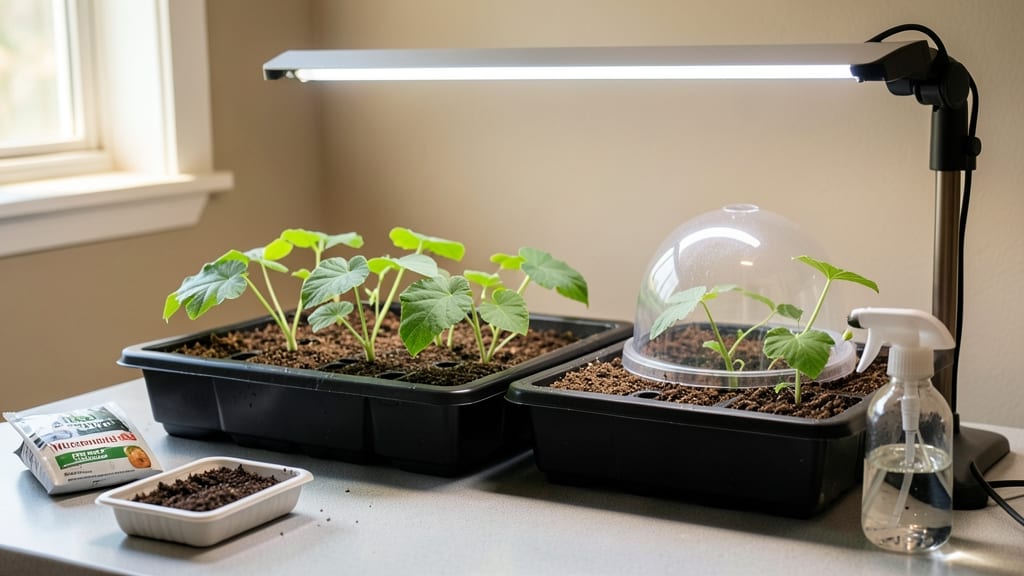
To start watermelon seeds indoors, aim for 3-4 weeks before your last frost date—this gives vines the 70-90 frost-free days they need to mature.
Timing your watermelon seeds indoors can mean the difference between a bountiful harvest and wasted effort—especially when vines need 70-100 frost-free days to mature. But when exactly should you start, based on your climate zone? The answer depends on more than just the calendar.
For USDA Zone 6a (like much of the Midwest), that means starting seeds indoors in early March—just as the 🍉 season kicks off. Too early, and seedlings get leggy; too late, and you risk transplanting before the soil warms to 70°F.
In this guide, I’ll break down the exact dates by region, how to adjust for early/late varieties, and the 3 common mistakes that throw off your transplant timeline—so you can avoid them.
Optimal indoor seed starting dates by USDA climate zones
Watermelons thrive in warm weather but need a head start indoors—especially in cooler climates. Since watermelon vines require 70-100 frost-free days to mature, starting seeds too early or late can ruin your harvest.
Your USDA climate zone determines the perfect indoor start window, balancing germination time (5-7 days) with seedling growth (3-4 weeks) before transplanting.
For example, gardeners in Zone 3 (like Minnesota or Maine) face 100+ days of potential frost, so you’ll start seeds much earlier than those in Zone 11 (like Southern Florida), where frost is rare.
Below is a zone-by-zone guide to help you calculate your exact start date, including adjustments for early/late varieties and regional frost risks.
| USDA Zone | Last Frost Date | Start Indoors (Standard Varieties) | Start Indoors (Early Varieties) | Transplant Outdoors | Notes |
|---|---|---|---|---|---|
| Zone 3 | May 10–20 | March 15–April 1 | February 20–March 10 | May 25–June 5 | Use black plastic mulch to warm soil |
| Zone 4 | May 1–10 | March 1–March 15 | February 15–February 28 | May 15–25 | Extend season with row covers |
| Zone 5 | April 25–May 10 | February 20–March 10 | February 1–15 | May 1–15 | Choose fast-maturing varieties |
| Zone 6 | April 15–25 | February 15–March 1 | January 20–February 10 | April 25–May 10 | Soil must be 70°F+ to transplant |
| Zone 7 | April 1–15 | January 30–February 15 | January 1–15 | April 15–25 | Direct-sow late varieties in May |
| Zone 8 | March 15–April 1 | January 15–February 1 | December 20–January 10 |
How to calculate your exact start date using frost datesCalculating your watermelon seed-starting date isn't about guessing—it's about math. You need to account for germination time (5-7 days), seedling growth (3-4 weeks), and your local frost-free window. Without this, your seedlings might bolt in heat or freeze before fruiting. Let's break it down so you can pinpoint your exact start date. First, find your average last frost date for your area. This is the date after which frost is unlikely to return. For example, in USDA Zone 7a, that's typically April 15th. Watermelons need 70-100 frost-free days to mature, so you'll need to work backward from that date to determine when to start seeds indoors. Here's my step-by-step calculator to find your perfect start date. Use this template to plug in your local frost date and adjust for your growing conditions: 📅 Your Watermelon Seed-Starting Calculator
Step 1:
Find your average last frost date (check local weather sources or USDA zone maps).
Step 2:
Subtract 70-100 days (watermelon's frost-free growing period) to find your transplant date.
Step 3:
Subtract 3-4 weeks (seedling growth time) from your transplant date to find your indoor start date.
Step 4:
Subtract 5-7 days (germination time) to find your sowing date.
Example:
If your last frost is April 15th, subtract 85 days (transplant by January 20th), then subtract 4 weeks (start seedlings by December 20th), and finally subtract 7 days (sow seeds by December 13th).
Pro Tip:
Adjust for early/late varieties. Early varieties (60-70 days) can start 2 weeks later, while late varieties (90+ days) need 2 weeks earlier.
For example, if you live in Zone 8b with a last frost date of March 1st, your math would look like this: Subtract 85 days (transplant by December 8th), then 4 weeks (start seedlings by November 10th), and finally 7 days (sow seeds by November 3rd). This ensures your watermelons mature before the first frost in October. Don’t forget to harden off seedlings for 7-10 days before transplanting! This gradual exposure to outdoor conditions prevents shock and helps them thrive after moving to the garden. Use a shade cloth or place them in a sheltered spot during the day and bring them back inside at night. Once you've calculated your start date, mark it on your calendar and set reminders. Watermelons grow fast once established, but starting too late means your vines won’t mature before frost. With this method, you’ll avoid both overly leggy seedlings from starting too early and stunted growth from starting too late. |