
How To
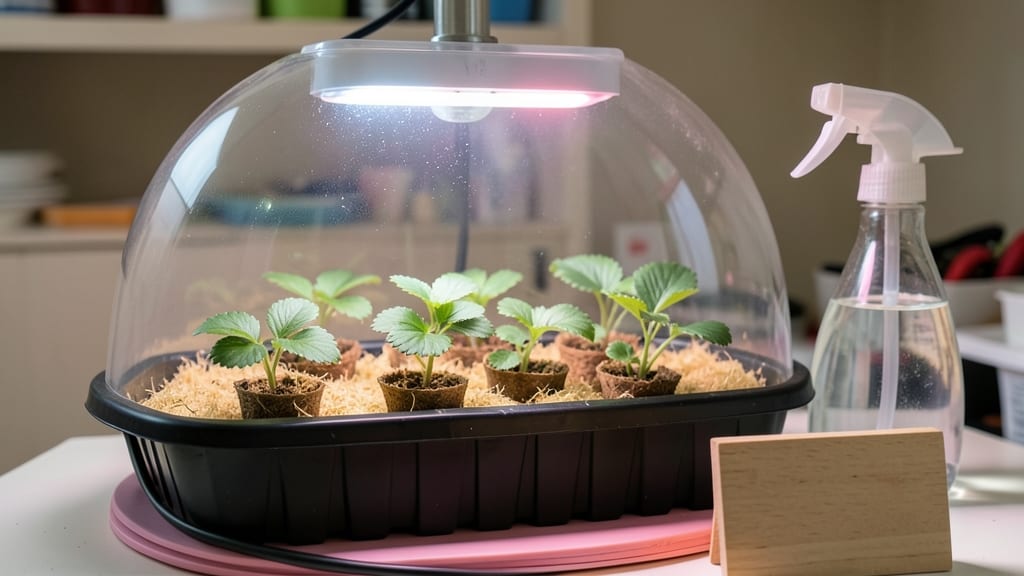
Starting strawberries indoors 8-10 weeks before your last frost is the secret to a head start on summer’s sweetest harvest—especially in USDA Zone 6a.
Picture this: you’ve got a tray of tiny, vibrant seedlings 🍓 ready to transplant, while your neighbors are still scrambling to find bare-root plants at the nursery. That’s the power of timing—get it right, and you’ll enjoy bigger berries and an earlier harvest.
But here’s the catch: rush it, and your plants might bolt too early. Wait too long, and they’ll be leggy and weak by transplant time. The key is knowing your frost date, adjusting for your climate, and giving those strawberries the bright, consistent light they crave indoors.
In this guide, I’ll walk you through the exact planting timeline for your zone, how to set up your indoor garden for success, and when to move those seedlings outside—so you can go from seed to berry with confidence.
Optimal indoor strawberry planting timeline by climate Zone
Getting your strawberries off to a strong start indoors means timing your planting perfectly based on your USDA hardiness zone. Since strawberries need 6-8 weeks of indoor growth before transplanting, your last frost date becomes the anchor for your schedule.
In colder zones, you might start as early as January, while warmer regions can wait until February or March.
There are three main strawberry types—June-bearing, everbearing, and day-neutral—each with slightly different timing needs. June-bearing varieties, for example, benefit from the earliest starts, while day-neutral types are more flexible. Understanding these differences helps you avoid weak seedlings or missed harvest windows.
Your local frost dates are critical. Check the USDA Plant Hardiness Zone Map and add 6-8 weeks to your last frost date to determine your ideal indoor start window.
For instance, if your last frost is April 15, you’ll want to start seeds by February 15 to ensure strong, healthy plants ready for transplanting.
Regional adjustments matter too. Areas with early frosts (like Zone 3) may need to start seeds in December, while late-frost zones (like Zone 9) can wait until February or March.
Always err on the side of starting too early—you can always delay transplanting outdoors if needed, but weak seedlings won’t recover from a late start.
🌱For June-bearing strawberries, aim to have seedlings ready for transplanting just as your soil warms up—typically 2-3 weeks after your last frost.
These varieties produce one massive harvest in early summer, so precise timing ensures you don’t miss the window. Everbearing and day-neutral types, however, are more forgiving and can handle slightly later starts.
If you’re in a microclimate with unpredictable frosts, like a valley or near a large body of water, add an extra 1-2 weeks to your indoor start timeline.
These areas can experience late frosts even if your official last frost date suggests otherwise. Always monitor local weather forecasts and adjust as needed.
Light is another critical factor for indoor starts. Strawberries need 12-16 hours of light daily to grow strong. If your indoor space lacks sufficient natural light, supplement with grow lights placed 6 inches above seedlings.
Without enough light, seedlings will become leggy and weak, making them vulnerable to disease and poor transplanting success.
Once your seedlings reach 4-6 true leaves and have a sturdy root system, they’re ready for transplanting outdoors. Harden them off by gradually exposing them to outdoor conditions over 7-10 days before the final move. This process helps them adjust to wind, sun, and temperature fluctuations, reducing transplant shock.
Pro tip: Mark your calendar with your last frost date and work backward from there. Use a planting schedule app or even sticky notes to track your progress. Consistency in timing and care will give you healthier plants and bigger harvests—worth the extra effort! 🍓
Signs your strawberry plants are ready for transplanting outdoors
Transplanting strawberries too early or too late can stunt their growth or invite disease. Knowing the exact moment to move them outdoors ensures strong root systems and a thriving harvest.
Focus on three key indicators: plant maturity, root development, and environmental readiness. Each plays a critical role in determining if your seedlings are ready for their permanent home.
First, check the leaf count. Healthy strawberry seedlings should have 4-6 true leaves—these are the larger, fully formed leaves that appear after the initial seed leaves.
Counting leaves helps you gauge growth speed and ensures your plants aren’t rushing into transplanting before they’re robust enough to handle outdoor conditions.
Next, examine the root system. Gently remove your seedlings from their pots and inspect the roots. You’re looking for white, fibrous roots that fill at least half the root ball.
If roots are sparse or circling the pot, your plants need more time indoors. Strong roots mean your strawberries can absorb water and nutrients efficiently once planted outdoors.
Now, let’s talk plant height. Mature strawberry seedlings should stand 4-6 inches tall before transplanting. Shorter plants may struggle to compete with weeds or establish themselves quickly.
Measure your seedlings against a ruler to ensure they’re reaching this ideal height—this is a clear sign they’re ready for the next phase.
✅ 5 Key Transplant-Ready Signs
- 🌱 4-6 true leaves – Count only the mature leaves, not the initial seed leaves.
- 🌿 White, fibrous roots – Roots should fill at least half the root ball and extend outward.
- 📏 4-6 inches tall – Measure from soil level to the highest leaf tip.
- ☀️ Soil temps above 40°F – Use a soil thermometer to confirm outdoor conditions are safe.
- ⏰ 14+ hours of daylight – Longer daylight hours signal it’s time to transplant.
Don’t overlook environmental cues. Soil temperature is critical—wait until the ground warms to at least 40°F (4°C) for most varieties. Cold soil can shock roots and delay growth.
Use a soil thermometer to double-check before transplanting. Additionally, aim to move plants outdoors when daylight hours stretch to 14+ hours, typically in late spring.
If your seedlings show stunted growth, yellowing leaves, or slow root development, they may need more time indoors. Common causes include insufficient light, overcrowding, or nutrient deficiencies. Address these issues before transplanting—rushing the process can lead to weak plants that struggle to recover outdoors.
Once your strawberries meet all these criteria, they’re ready for their outdoor home. Transplant on a cool, cloudy day to reduce stress, and water thoroughly afterward. With the right timing, your seedlings will establish quickly and reward you with a bountiful harvest all season long. 🍓