
Vegetables
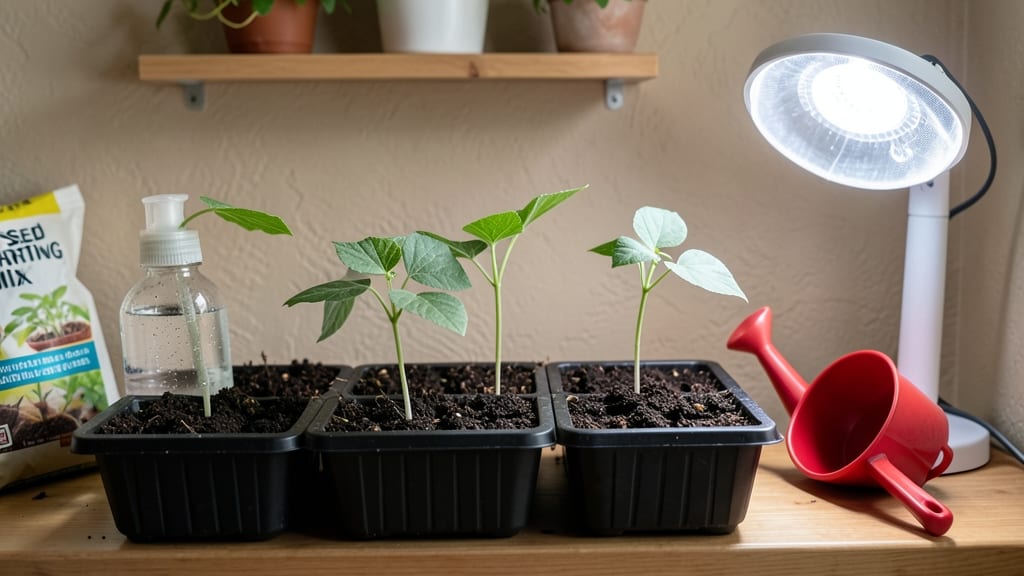
Starting green bean seeds indoors 4-6 weeks before your last frost date is the secret to a head start on a fast, productive harvest—especially in cooler climates like USDA Zone 6a.
Timing your green bean seeds indoors can mean the difference between a bountiful harvest and wasted effort—especially when late frosts threaten your garden's start. Miss the window, and you risk leggy seedlings or bolting before you even transplant them outdoors.
Most gardeners in Zone 6a should begin seeds in February or early March, but regional quirks—like high-altitude areas or unpredictable springs—can shift that timeline by weeks. The key is matching your seed variety’s growth rate to your local frost date, not just following a generic calendar.
In this guide, I’ll walk you through the exact frost-date formula, how to adjust for your microclimate, and the 3 critical factors that change your start time beyond the basics—so your green beans 🌱 hit the ground running and stay ahead of the heat.
How to calculate your green bean indoor start date using frost dates
Timing your green bean seeds indoors isn't just about guessing—it's a science that balances frost dates, seedling maturity, and your local climate. The wrong start date can lead to stunted plants or seedlings that outgrow their containers before transplanting.
By using a frost-date formula, you'll ensure your beans hit the garden at the perfect moment for rapid growth and a bountiful harvest.
First, locate your USDA hardiness zone—this tells you when your last frost date typically occurs. For example, if you're in Zone 6a (like many northern states), your last frost is usually around April 15th. From there, you'll work backward to determine when to plant your seeds indoors.
The key is understanding that green beans need 50-70 days to mature from seed to harvest, but seedlings need 4-6 weeks indoors before they're ready to transplant.
| USDA Zone | Weeks Before Last Frost | Indoor Start Window | Transplant Ready |
|---|---|---|---|
| Zones 1-3 | 3-4 weeks | Early April to mid-April | Late May |
| Zones 4-5 | 2-3 weeks | Late April to early May | Late May to early June |
| Zones 6-7 | 1-2 weeks | Early May to mid-May | Early June |
| Zones 8-10 | 0-1 week (direct sow preferred) | Late April to early May | Mid-May |
| Note: Adjust 1-2 weeks earlier for high-altitude areas or cooler microclimates. | |||
For example, if you're in Zone 6a with a last frost date of April 15th, you'd start your seeds 4-6 weeks before that date—meaning you'd plant them between February 28th and March 15th.
This gives your seedlings enough time to develop 4-6 true leaves before transplanting, reducing the risk of transplant shock and ensuring faster establishment in the garden.
But here's where it gets tricky: local climate quirks can throw off even the best-laid plans. If your area is known for late spring frosts (like parts of the Midwest), add an extra 1-2 weeks to your indoor start date.
Conversely, if you live in a microclimate with warmer springs (like a south-facing slope), you might start seeds 1 week later than the general guideline.
Another critical factor is your indoor growing conditions. If you're using grow lights that provide 14+ hours of light daily, your seedlings will grow faster, allowing you to start them slightly later.
However, if your indoor space is cool (below 60°F), germination and growth will slow down, so you'll need to start earlier. A heat mat can help maintain optimal soil temperatures (60-85°F) for faster sprouting.
Don't forget to account for seedling maturity before transplanting. Green beans typically need 4-6 weeks indoors to develop strong roots and a sturdy stem. If you're growing pole beans, which take longer to mature, you might need to start them 2 weeks earlier than bush varieties.
Always check the days to maturity listed on your seed packet—this is your golden rule for timing.
Once you've calculated your start date, mark it on your calendar and set up your seed-starting station with well-draining seedling mix and small pots or trays. Plant your seeds ½ inch deep and keep them moist until germination (usually 7-14 days).
After sprouting, provide bright, indirect light and gradually increase light exposure to harden off your seedlings before transplanting.
Pro tip: If you're unsure about your last frost date, check your local cooperative extension service or use a frost calendar from a trusted gardening resource. These tools provide historical frost data for your specific area, helping you make the most accurate calculations.
With the right timing, your green beans will be thriving in the garden just as the soil warms up—ready for a harvest in late summer.
Remember, the goal is to have healthy, robust seedlings that are ready to thrive outdoors. By following this frost-date formula
5 Critical factors that change your green bean start time (beyond frost dates)
Your green bean seeds might be ready to plant according to frost dates, but indoor growing conditions can shift that timeline dramatically. Even in USDA Zone 6a, where I garden, a cool windowsill or weak grow lights can delay germination by 1-2 weeks.
These hidden factors often explain why some gardeners' beans bolt too early while others struggle with leggy, weak seedlings.
Most guides focus on frost dates, but seed variety, light spectrum, and soil warmth play equally critical roles. For example, pole beans like 'Blue Lake' need more time to mature than bush varieties, while daylength-sensitive types (like 'Contender') require 14+ hours of light to trigger flowering.
Ignoring these can mean harvests that arrive too late—or not at all.
- 1 Daylength-Sensitive Varieties: Some green beans (e.g., 'Contender') need 14+ hours of light to flower—start them 2 weeks earlier if using grow lights.
- 2 Soil Temperature Thresholds: Green beans germinate best at 60-85°F—use a heat mat if your indoor space dips below 60°F.
- 3 Pole vs. Bush Bean Growth Rates: Pole beans take 10-14 days longer to mature—start them 2 weeks earlier than bush varieties like 'Blue Lake'.
- 4 Light Spectrum Mismatches: Blue-rich LED grow lights prevent leggy seedlings, but supplement with red spectrum if natural light is insufficient.
- 5 Transplant Shock Buffer: Hardened-off seedlings transplant better—add 1 extra week to your start date if your region has unpredictable spring weather.
Let’s say you’re growing 'Kentucky Wonder' pole beans in Zone 5 with a north-facing window. The frost-date formula suggests starting seeds 3 weeks before last frost, but your cool indoor temps and limited light might push that back to 4 weeks.
Test your setup: Place a seedling under your grow lights and time how long it takes to reach 3-inch height. If it’s slower than expected, adjust your start date accordingly.
Another common mistake? Assuming all green beans have the same growth rate. Bush beans like 'Blue Lake' mature in 50-60 days, while pole varieties take 60-70 days.
If you’re aiming for a July harvest in Zone 6a, starting pole beans 6 weeks before last frost (mid-February) gives them enough time, but bush beans can wait until late February. Always check seed packets for days to maturity—it’s your best shortcut.
For troubleshooting delays, monitor your seedlings’ growth rate and leaf color. Yellowing leaves often signal cool soil temps or nutrient deficiencies, while elongated stems point to insufficient light. If your seedlings are bolting prematurely (flowering too early), they’ve likely experienced temperature swings or daylength stress.
In this case, delay your outdoor transplant by 1-2 weeks to let them mature further indoors.
Pro tip: Keep a seed-starting journal to track which varieties thrive under your conditions. Last year, my 'Provider' beans bolted early because I didn’t account for its daylength sensitivity.
This year, I started them 3 weeks earlier with supplemental grow lights—and enjoyed a 3-week longer harvest. Small adjustments based on real data make all the difference.