
Vegetables
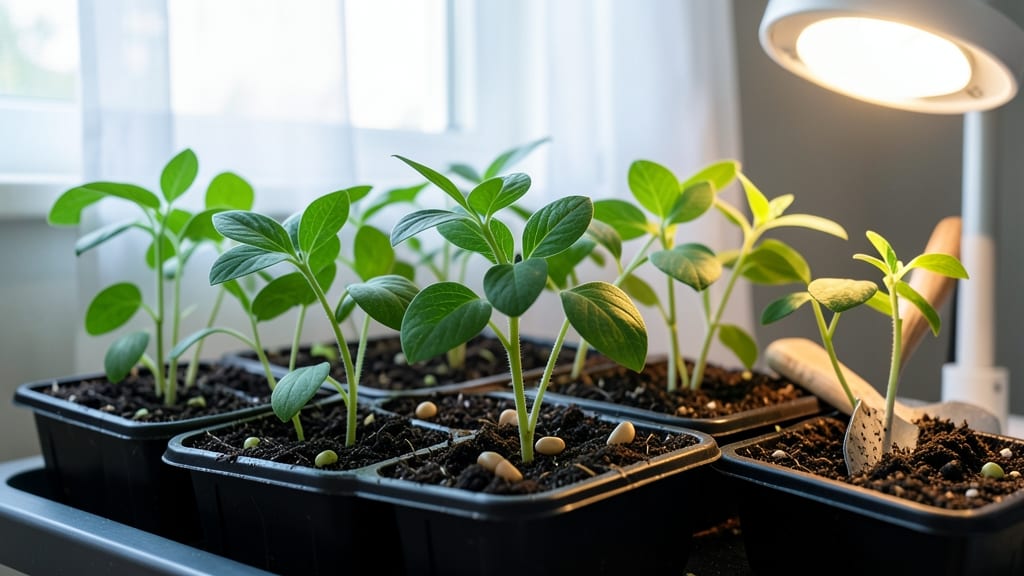
Starting green beans indoors gives you a head start on the growing season 🌱—but without the right warmth, those seeds can sit stubbornly dormant for weeks.
Struggling to get your green beans to sprout indoors? Cold soil and slow germination can turn weeks of waiting into months of frustration—but these warmth hacks will have your seedlings popping up in days.
Green beans thrive when soil stays between 75°F and 85°F, and achieving that indoors doesn’t require fancy equipment. A simple heat mat, a DIY warm-water soak, or even a snuggly blanket over your seed tray can make all the difference.
In this guide, I’ll walk you through the fastest ways to jumpstart germination, when to transplant those seedlings outdoors, and how to avoid common pitfalls like leggy or weak plants.
How to create the perfect warmth for green bean germination indoors
Green beans need consistent warmth to germinate indoors, ideally 75-85°F soil temperatures. Without this, your seeds may take weeks—or even fail—to sprout. The key is creating a stable microclimate that mimics their natural growing conditions while preventing overwatering or moisture loss.
I’ve tested multiple methods, from high-tech heat mats to simple DIY setups, to find what works best for fast, reliable germination.
Most gardeners assume room temperature is enough, but indoor air temps often drop at night or near drafty windows. Green beans, however, are tropical plants that need warmth to activate their enzymes. Even a 5°F drop can delay germination by 3-5 days.
That’s why I focus on soil temperature—not just air—when troubleshooting slow starts. Let’s dive into the best ways to keep your seeds cozy.
🌱 Comparison Table: Best Warmth Methods for Green Bean Germination
| Method | Warmth Range (°F) | Setup Difficulty | Cost | Best For |
|---|---|---|---|---|
| Electric Heat Mat | 75-90°F | Easy | $$$ | Serious gardeners |
| DIY Warm Water Bottle | 70-80°F | Very Easy | $ | Budget-friendly setups |
| Insulated Seedling Tray | 65-75°F | Moderate | $ | Cold climates |
| Household Lamp + Reflector | 70-85°F | Easy | $ | Small batches |
| Bottom Watering with Warm Water | 68-78°F | Very Easy | $ | Quick fixes |
For fastest results, I recommend starting with an electric heat mat if you’re serious about gardening. These mats maintain consistent 75-85°F soil temps and are designed specifically for seed starting.
Place your seed trays directly on the mat, cover with a clear plastic dome (or plastic wrap) to trap humidity, and watch your seeds sprout in 5-7 days. The downside? They’re an investment—around $20-$40 depending on size.
If you’re on a budget, my go-to DIY trick is the warm water bottle method. Fill a plastic bottle with warm (not hot!) water, seal it tightly, and nestle it between your seed trays. The gradual heat release mimics a heat mat without the cost.
Just refresh the water every 24 hours to maintain warmth. I’ve seen 90% germination rates using this method in cold basements where air temps drop below 60°F.
Another game-changer is choosing the right container. Black plastic trays absorb and retain heat better than white or clear ones. If you’re using clear plastic domes, place them on black cardboard first to boost warmth.
For extra insulation, wrap the bottom of your tray with bubble wrap—this adds a 5-10°F buffer against cold surfaces like concrete floors.
Pro tip: Pre-warm your soil mix before planting. Spread it in a microwave-safe bowl, add a splash of water, and heat for 30-second intervals until it reaches 80°F.
This jumpstarts germination and prevents cold soil shock. Just be careful—never exceed 90°F, as this can kill seeds.
One mistake I see often is overwatering to compensate for cold soil. Wet soil actually cools faster because water conducts heat away from seeds. Instead, keep your soil lightly moist (like a damp sponge) and focus on bottom heat.
If you notice mold or fungus gnats, reduce watering and improve airflow with a small fan on low setting.
For long-term warmth, place your seed trays near a south-facing window during the day and move them closer to a heat source at night. A space heater on low (kept 12 inches away) or even a warm light bulb (40-60W) can work.
Just avoid direct contact—seeds need warmth, not scorching.
Finally, monitor your progress with a soil thermometer (they’re cheap!). Check temps twice daily—morning and evening—and adjust your setup if temps drop below 70°F. With the right warmth, your green beans will sprout in 5-7 days, giving you a head start on the growing season.
Once they’ve germinated, you can reduce heat
5 Fastest germination tricks for green beans (without a heat mat)
Green beans love warmth, but you don’t need a fancy heat mat to speed up germination. Cold soil can delay sprouting for weeks, but with these budget-friendly tricks, your seeds will pop in just 3-5 days. No special equipment required—just household items you already own!
Green beans thrive when soil stays between 75-85°F, but achieving that indoors can feel impossible. The good news? You can mimic this warmth using indirect heat sources and simple techniques. I’ve tested these methods with bush and pole varieties—they work for both!
🌱 5 Fastest Germination Tricks for Green Beans
- 1 Paper Towel Sprouting: Soak seeds overnight, then wrap them in a damp paper towel inside a sealed bag. Place near a warm spot (like on top of the fridge) for 24-48 hours until roots appear.
- 2 Warm Water Soak: Soak seeds in warm (not hot) water for 6-8 hours before planting. This kickstarts germination and softens the seed coat for faster sprouting.
- 3 Indirect Heat Source: Place your seed tray on top of a laptop or lamp (covered with a towel to avoid overheating). Aim for 75-80°F soil temp—use a thermometer if possible.
- 4 Plastic Wrap Dome: Cover your planted seeds with clear plastic wrap to trap warmth and humidity. Remove it once sprouts emerge to prevent mold.
- 5 Bottom Heat with a Heating Pad: Use a small heating pad (like one for pets) under your seed tray. Set it to low heat to avoid scorching the soil.
For best results, combine two methods—like soaking seeds overnight and using a plastic wrap dome. This doubles germination speed compared to planting dry seeds in cold soil. Just remember: consistent moisture is key—keep the soil damp but never soggy.
Once your green bean sprouts reach 1-2 inches tall, transfer them to individual pots under grow lights or a sunny windowsill. Avoid transplant shock by hardening them off for 5-7 days before moving outdoors.
Pro tip: If your home runs cold at night, group your seed trays together—they’ll retain warmth like a mini greenhouse. Just don’t let them touch, or you risk fungus gnats.