
How To
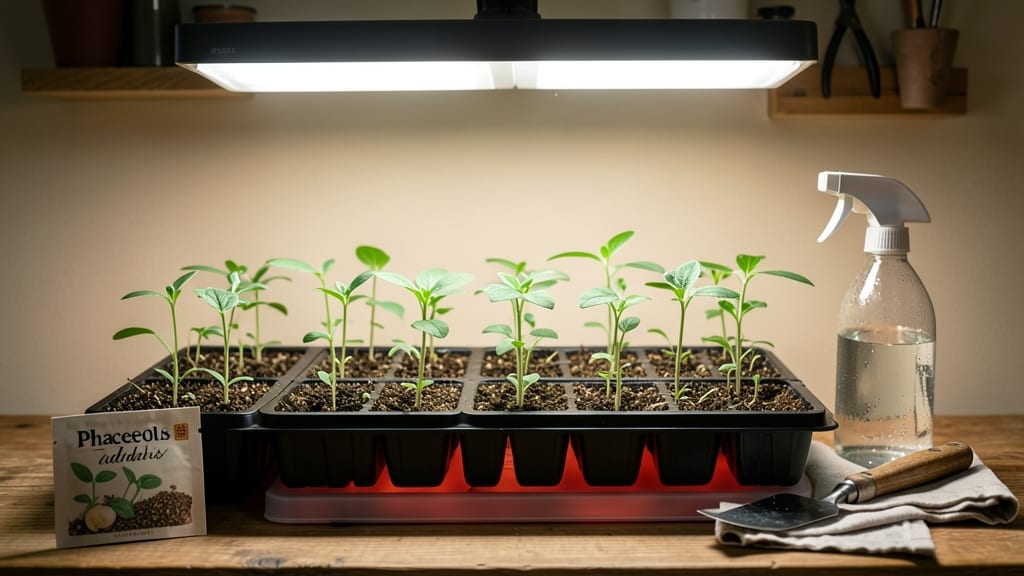
To start bush beans indoors, aim for 4–6 weeks before your last frost date—this timing ensures they’re strong enough to transplant without shock.
Picture this: you’ve got your seed trays ready, the soil is warm, and the calendar says it’s time—but if you’re off by even a week, your beans might bolt too fast or struggle to adapt outdoors. Fast growth starts with the right schedule, and missing it can mean smaller yields or plants that never quite recover.
Most gardeners in USDA Zone 6a (like me!) kick off seeds around mid-March, but your exact date depends on your local frost patterns. Too early, and you’ll deal with leggy, weak seedlings; too late, and you’ll miss the sweet spot for a summer harvest.
The key is balancing indoor warmth with outdoor readiness.
Below, I’ll break down the exact weeks to start based on your zone, plus how to spot when your 🌱 bush beans are ready to move outside—so you skip the guesswork and get straight to a garden full of pods.
Exact weeks before last frost to start bush beans indoors
Getting your bush beans started indoors at the right time ensures strong seedlings ready for transplant just as the soil warms. The ideal window is 4-6 weeks before your last frost date, but this varies dramatically by USDA zone and local climate.
In colder zones (3-5), you’ll need to start earlier—sometimes up to 8 weeks ahead—while warmer zones (7-10) can wait until 3-4 weeks before frost.
Your last frost date is the critical benchmark, not just the calendar. Check your local agricultural extension service or use a frost calculator for precise timing.
For example, in Zone 6a (like much of the Midwest), with a typical April 15 last frost, you’d start seeds indoors between March 1-15.
Soil temperature matters just as much as air temperature. Bush beans thrive when soil reaches 60°F (15°C) or warmer. If your spring is slow to warm, consider using heat mats to jumpstart germination indoors. Cold soil can stunt growth even if your seedlings look healthy above ground.
Don’t rely solely on zone averages—microclimates play a huge role. A south-facing window or greenhouse can extend your growing season by 2-3 weeks compared to shaded areas.
If you’re near a large body of water or at higher elevations, your frost dates may shift 1-2 weeks later than standard zone guidelines.
| USDA Zone | Last Frost Date | Start Indoors | Transplant Ready | Notes |
|---|---|---|---|---|
| 3-4 (Coldest) | May 1-15 | March 1-15 | April 15-30 | Use heat mats; soil warms slowly |
| 5-6 (Midwest/Northeast) | April 15-30 | March 1-15 | April 15-20 | Standard timing for most gardeners |
| 7-8 (Southeast/Southwest) | March 15-April 1 | February 15-March 1 | March 15-April 1 | Soil warms faster; start earlier |
| 9-10 (Coastal/South) | February 15-March 1 | January 15-February 1 | February 15-March 1 | Can direct-sow in warm zones |
If you’re unsure about your exact last frost date, use the 50% probability rule: aim for the date when there’s a 50% chance of frost occurring.
Many gardeners in Zone 6a use April 15 as a safe bet, but if you’re in a valley or low-lying area, frost can linger 1-2 weeks later.
For Southern Hemisphere gardeners, flip the timeline. In Australia (Zone 9-10), start seeds indoors in July-August (4-6 weeks before your last frost, typically September 15). In New Zealand (Zone 8-9), aim for June-July starts for late-winter/early-spring planting.
Once you’ve nailed down your start date, keep seedlings indoors under grow lights or near a south-facing window for 12-14 hours of light daily. Without enough light, seedlings become leggy and weak, making them prone to disease and poor transplant success.
A simple LED grow light can save your harvest if natural light is limited.
Pro tip: Hardening off your seedlings is non-negotiable. Begin 1 week before transplanting by moving them outdoors for 2-3 hours daily, gradually increasing exposure. This toughens stems and prevents shock when they hit the garden. Skip this step, and you’ll risk wilting or stunted growth after transplant.
Remember, bush beans have a 60-70 day harvest window from planting. Starting too late means you’ll miss peak season, while starting too early risks overcrowded seedlings or nutrient depletion before transplant. Balance your timing with succession planting for continuous harvests all summer.
Signs your bush beans are ready for transplanting indoors
Knowing when your bush beans are ready to transplant indoors is key to avoiding stunted growth or overcrowded seedlings. Unlike outdoor plants, indoor starts need precise timing to develop strong roots and sturdy stems before facing outdoor conditions.
The right milestones ensure your seedlings survive the transition and thrive in your garden.
Watch for these three critical signs—leaf count, stem thickness, and root development—that signal your bush beans are ready for transplant. Missing these cues often leads to leggy seedlings or weak root systems that struggle after moving outdoors.
Let’s break down what to look for and how to troubleshoot common delays.
- 1. First True Leaves: Your seedlings should have 2-3 sets of true leaves (not just cotyledons). These are the larger, serrated leaves that appear after the initial seed leaves. Count them carefully—this is your first milestone!
- 2. Stem Thickness: Gently pinch the main stem near the soil. It should feel firm and slightly woody, not flimsy. A stem thicker than a pencil lead (about 1/8 inch) means it’s ready for transplanting.
- 3. Root Development: Check for roots growing through drainage holes or a dense root ball when you gently remove the seedling from its pot. If roots fill the container, it’s time to transplant—roots circling the pot (root-bound) will stunt growth outdoors.
- 4. Height Check: Seedlings should be 4-6 inches tall but not tall and spindly. If they’re stretching toward light (etiolation), they need more light or a shorter grow time. Aim for a compact, bushy shape—this indicates strong stems.
If your seedlings are taking longer than 3-4 weeks to reach these milestones, you might be dealing with low light or overcrowding. Move them to a south-facing window or under grow lights (12-14 hours/day) to speed up growth.
Avoid overwatering—soggy soil can delay root development and make stems weak.
Once your bush beans meet these signs, harden them off for 5-7 days before transplanting outdoors. Place them in partial shade during the day and bring them indoors at night.
This gradual adjustment helps them adapt to outdoor temperatures and reduces transplant shock. Skip this step, and you risk wilting or stunted growth once planted.
Timing is everything with bush beans. Start too early, and you’ll deal with overgrown, leggy seedlings. Start too late, and your plants won’t mature in time for harvest.
By watching for these four key signs, you’ll ensure your seedlings are strong, healthy, and ready for their outdoor home—setting you up for a bountiful harvest in just 60-70 days. 🌱