
Container Gardens
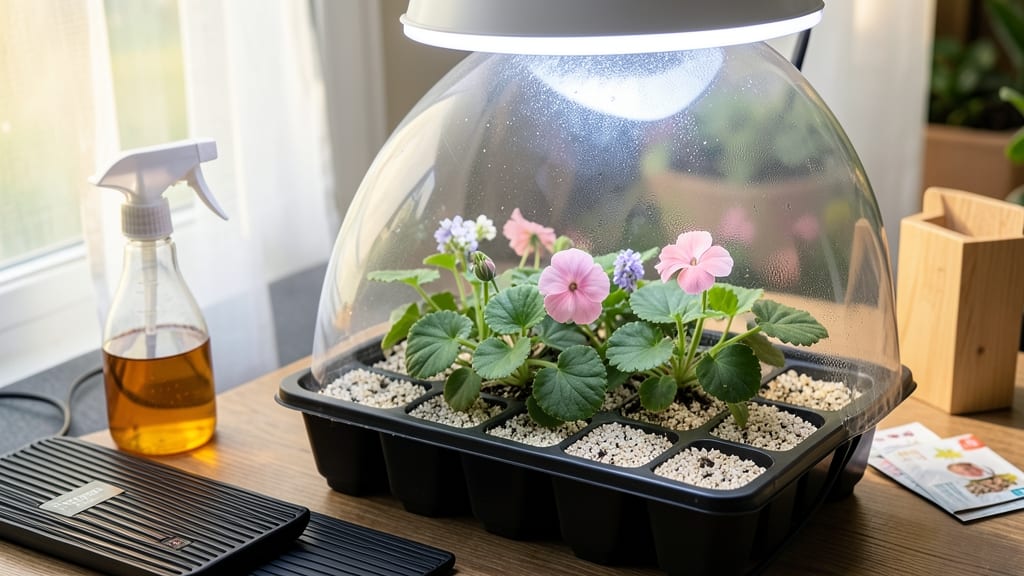
Start geranium seeds indoors 6–8 weeks before your last frost to give them the strong, sturdy start they need for vibrant blooms all season.
Picture this: you’ve got your seed trays ready, the soil is warm, and you’re eager to see those 🌸 geraniums pop—but if you start too early, you’ll end up with leggy, weak seedlings that struggle to survive transplanting.
In USDA Zone 6a, that means kicking off your geraniums around mid-February. Warmer zones can wait until March, while colder climates may need to start even earlier. The key is matching your schedule to your frost date so seedlings are ready to hit the garden at the perfect time.
Below, I’ll break down the exact timing for your zone, how to adjust for early or late blooms, and the common mistakes that derail even the best-laid plans—so you can skip the guesswork and get those geraniums thriving fast.
Best indoor starting times for geranium seeds by USDA hardiness zones
Timing your geranium seed start indoors depends entirely on your USDA hardiness zone. A general rule is to begin seeds 8-10 weeks before your area's last frost date, but colder zones need an earlier start.
For example, gardeners in Zone 3 should start seeds by late January, while those in Zone 10 can wait until February. This ensures your seedlings are strong enough to handle transplanting without shock.
Geraniums thrive when given enough time to develop 4-6 true leaves before moving outdoors. Rushing the process often leads to weak, leggy seedlings that struggle to bloom. The key is balancing your seed-starting timeline with your local climate to avoid both overwintering seedlings and late-season blooms.
Let’s break it down by zone for a foolproof schedule.
⚠️ NON-NEGOTIABLE: Always check your local last frost date—it can vary by 1-2 weeks even within the same zone. Use the USDA Plant Hardiness Zone Map or your local cooperative extension office for precise data.
| USDA Zone | Last Frost Date | Start Indoors By | Transplant Outdoors | Bloom Timeline |
|---|---|---|---|---|
| Zone 3 (-40°F to -30°F) | May 15 | Late January | Early May | June-August |
| Zone 4 (-30°F to -20°F) | May 1 | Mid-February | Late April | June-September |
| Zone 5 (-20°F to -10°F) | April 20 | Early March | Mid-May | June-October |
| Zone 6 (-10°F to 0°F) | April 15 | Late February | Early May | June-September |
| Zone 7 (0°F to 10°F) | April 1 | Early February | Mid-April | May-October |
| Zone 8 (10°F to 20°F) | March 15 | Late January | Early April | April-September |
| Zone 9 (20°F to 30°F) | February 15 | Mid-January | Late March | March-August |
| Zone 10 (30°F to 40°F) | January 15 | Early February | Mid-March | February-July |
In Zone 3, where winters are harsh, starting geranium seeds by late January gives them enough time to develop strong root systems before the last frost. By contrast, gardeners in Zone 10 can delay starting until early February, as their mild winters allow for a later transplant.
Always account for seedling growth stages: geraniums typically need 60-90 days to mature from seed to transplant-ready seedling.
If you’re unsure about your last frost date, use a 10-day moving average of temperatures below 32°F. For example, if your area averages 5 consecutive nights below freezing around April 15, that’s your target date.
Adjust your seed-starting schedule 2 weeks earlier if you’re using grow lights or a heat mat to speed up germination.
For gardeners in warmer zones (8-10), you can also experiment with fall sowing for winter blooms. Start seeds in late summer (August-September) and transplant before the first frost.
This method works well for pelargoniums, a popular geranium relative, which thrive in mild winter climates. Just be prepared for slower growth in cooler months.
One common mistake is starting seeds too early, which leads to
How to adjust your geranium seed starting schedule for early or late blooms
Want to push your geranium blooms earlier or delay them for fall gardens? Adjusting your seed-starting schedule is key. By using grow lights or heat mats, you can coax seedlings along faster, while delaying starts helps avoid summer heat stress.
Small-space growers can also use these tricks to maximize limited room.
For early blooms, start seeds 10-12 weeks before your last frost date instead of the standard 8 weeks. This extra time lets seedlings develop stronger roots and foliage before transplanting. Use a heat mat (70-75°F soil temp) to speed up germination and prevent leggy growth.
To delay blooms for fall gardens, start seeds 2-3 weeks later than usual. This works best in cooler climates (Zones 3-6) where summer heat isn’t an issue. Pair this with shade cloth after transplanting to slow growth until temperatures drop.
- 1. Use grow lights (14-16 hours/day) to prevent leggy seedlings when starting early. Place lights 2-3 inches above seedlings and raise as they grow.
- 2. Heat mats (70-75°F) speed germination by 2-3 days. Remove once sprouts emerge to avoid over-heating.
- 3. Pinch back seedlings at 4-6 true leaves to encourage bushier growth, delaying bolting in warm conditions.
- 4. Hardening off late starts takes 7-10 days. Gradually expose seedlings to outdoor temps to prevent shock.
- 5. Small-space hack: Use vertical grow towers to stack seedlings, saving space while maximizing light exposure.
If your seedlings turn leggy or pale, they’re not getting enough light. Move them under grow lights immediately or rotate pots daily for even sun exposure. For bolting (premature flowering), reduce light exposure slightly and keep soil consistently moist.
For fall gardens, start seeds 6-8 weeks before your first expected frost in Zones 7-10. Use black plastic mulch to warm soil and extend the growing season. Geraniums in containers can even overwinter in mild climates with light mulch and protection from frost.
Adjusting your schedule isn’t just about timing—it’s about balancing light, heat, and space. With these tweaks, you’ll enjoy geranium blooms earlier in spring or later into fall, no matter your climate or garden size. 🌸