
Propagation
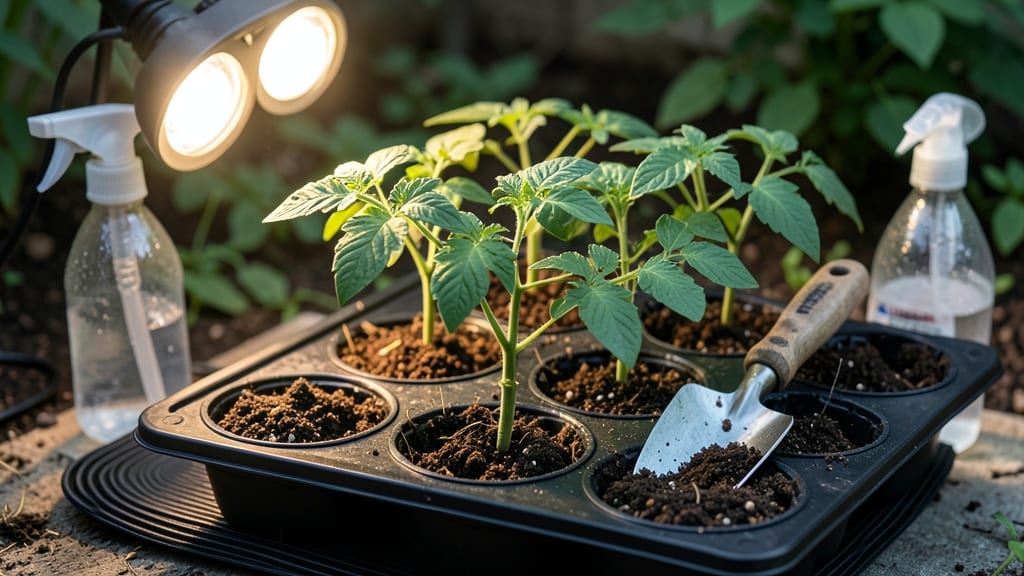
Growing tomato plants from seeds indoors lets you start 30 days earlier than store-bought seedlings, giving your vines a head start on the season. 🌱 I’ve learned the hard way that rushing germination or skimping on light leads to weak, leggy plants—but these tricks cut germination time in half while building sturdy stems from day one.
The secret starts with warmth and moisture: use a heat mat (or a sunny windowsill) and keep soil damp but not soggy. Plant seeds just ¼-inch deep in a seed-starting mix—never garden soil—and cover with plastic wrap until sprouts appear.
Most varieties pop up in 5-7 days with this method, not the usual two weeks.
By the time you’re hardening off seedlings in late spring, you’ll have stocky, dark-green plants ready to outperform nursery starts. The key is light—14+ hours daily under grow lights prevents stretching—and a slow transition outdoors to avoid shock.
My first indoor-grown tomatoes hit the vine a full week earlier than neighbors’ transplants.
Works for any tomato variety, from cherry to heirloom, and adapts to small spaces with grow lights. Here’s how to avoid the most common pitfalls—like damping-off and overwatering—while keeping your seedlings on track for a bountiful harvest.
📚 In This Guide
- What you need
- Instructions
- Tips and common mistakes
- Wrapping up and next steps
What you need
- ● Tomato seeds: 10–20 seeds (choose heirloom or hybrid varieties like 'Cherry Tom,' 'Beefsteak,' or 'Roma').
- ● Seed-starting trays or pots: 2–4" deep, with drainage holes (biodegradable peat pots or cell packs work great!).
- ● Seed-starting mix: 1–2 bags of sterile, lightweight potting mix (avoid garden soil—it’s too dense!).
- ● Grow lights or sunny windowsill: A full-spectrum LED grow light (12–16 hrs/day) or a south-facing window (6+ hrs of sunlight).
- ○ Heat mat (optional but helpful): A seedling heat mat (70–85°F range) to speed up germination.
- ● Spray bottle: For gentle watering (avoid drowning seeds!).
- ● Plastic wrap or humidity dome: To retain moisture while seeds germinate.
- ● Fertilizer: A balanced, water-soluble fertilizer (5-10-5 or 10-10-10) for seedlings.
- ● Seedling labels: To track varieties (toothpicks + masking tape work too!).
- ● Fungicide (like hydrogen peroxide or neem oil): Prevents damping-off disease.
- ● Fan (small clip-on type): For gentle airflow to strengthen seedlings.
- ● pH test kit: Ensures soil pH is 6.0–6.8 (tomatoes love slightly acidic soil!).
Step-by-Step instructions for speed-germinating tomato seeds indoors
Here's how to bypass slow germination and get your tomato seedlings off to a running start.
🌱 Step 1: Prep Seeds for Faster Germination
Tomato seeds have a hard outer coating that slows water absorption. I soak mine in lukewarm water for 12 hours to soften the shell—this cuts germination time by nearly half. Use a small bowl or jar with enough water to fully submerge the seeds, then cover loosely with plastic wrap to prevent evaporation.
After soaking, drain the seeds and place them between two damp paper towels. Fold the towels to create a sandwich, then seal in a plastic bag to maintain moisture. Store in a warm spot (75-85°F) and check daily. You'll see tiny white roots emerge within 2-3 days—that's your signal to move to soil.
🪴 Step 2: Plant in Warm, Sterile Growing Medium
Use a seed-starting mix (never garden soil) in 2-3 inch deep containers. The mix should be moist but not soggy—think of it as holding together when squeezed but not dripping. I like to warm the soil slightly by placing the containers in a 70°F environment for 24 hours before planting. Warm soil speeds germination even more.
Plant the pre-sprouted seeds ¼ inch deep—no deeper, or they'll struggle to reach light. I use a toothpick to make small holes and place one seed per cell. Cover lightly with additional mix and mist gently with water until the surface looks damp but not wet. The goal is to keep everything moist without creating a swampy environment.
💧 Step 3: Create a Mini Greenhouse for Moisture and Heat
Cover the containers with a clear plastic dome or plastic wrap to trap warmth and humidity. Tomatoes germinate fastest in these conditions. Place the setup on a seedling heat mat set to 75-85°F—this keeps the soil consistently warm, which is critical for speed. Check daily for condensation on the dome. If it fogs up, you're golden; if it stays dry, mist the soil lightly.
Germination should happen within 5-7 days (compared to the usual 10-14 days). Once 50% of seeds have sprouted, remove the dome immediately. Leaving it on too long invites damping-off, a fungal disease that collapses seedlings overnight. You'll know it's time when the first true leaves appear—those are the little round cotyledons that signal the plant is ready for its next phase.
☀️ Step 4: Transition to Light and Air Circulation
The moment seedlings emerge, move them to bright, indirect light (a south-facing window works, but grow lights are better). Place a full-spectrum LED grow light 2-4 inches above the plants and set a timer for 14-16 hours of light daily. Without enough light, seedlings stretch toward the source, becoming weak and leggy.
After 7-10 days, when the first true leaves (the second set after cotyledons) appear, it's time to thin. Use scissors to snip the weaker seedling at soil level, leaving the strongest one per cell. This prevents competition for nutrients and gives your tomato a head start. Water from the bottom now—lift the container and let it sit in ½ inch of water for 10 minutes to encourage deep root growth.
Tips & tricks for speed-germinating tomato seeds indoors
Here's what I learned after watching hundreds of tomato seeds transform from stubborn little specks into thriving seedlings.
Precision Timing: The 12-hour soak in Step 1 is your first critical window. Use a timer—seeds need this exact time to soften properly. I've seen seeds soaked beyond 14 hours become mushy, while those pulled at 10 hours often fail to germinate. After soaking, drain them completely before placing between paper towels; excess water creates anaerobic conditions that prevent root development.
Temperature Consistency: Maintaining the 75-85°F range during germination is non-negotiable. I use a seedling heat mat set to 80°F and place my setup on top of my fridge (which stays warm). If your home runs cooler, consider a small space heater with a thermostat—fluctuations below 70°F can delay germination by days. The warm soil preparation in Step 2 (70°F for 24 hours) primes the environment perfectly for this critical stage.
Visual Cues for Transplant: In Step 3, watch for two key indicators when removing the plastic dome: condensation should form on the inside, and you'll see tiny white roots peeking through the paper towel. These roots mean your seeds have absorbed enough moisture to transition to soil. I've transplanted too early (before roots appeared) and watched seedlings fail to establish—always wait for that root signal before moving to containers.
Light Transition Strategy: When you move seedlings to light in Step 4, start with 14 hours daily and gradually increase to 16 as they grow. I use a timer for my grow lights to maintain consistency. The moment seedlings touch the light source, they'll stretch dramatically—this is their way of reaching for more energy. If you notice this "leggy" growth, lower the light source immediately to just 2 inches above the plants and increase light duration by 1 hour.
Pro Tips for Growing Tomato Plants From Seeds Indoors
- Here's what I learned after watching hundreds of tomato seeds transform from stubborn little specks into thriving seedlings.
- Precision Timing: The 12-hour soak in Step 1 is your first critical window.
- Temperature Consistency: Maintaining the 75-85°F range during germination is non-negotiable.
Frequently asked questions
Got questions about germinating tomato seeds indoors? You’re not alone! Here are answers to the most common concerns—so you can grow confidently from seed to savory success.
How long does it take for tomato seeds to germinate indoors?
With the right conditions (warmth, moisture, and light), tomato seeds typically sprout in 5–14 days. Speed-germination tricks like soaking seeds overnight or using a heat mat can cut this time by half! Patience is key—don’t give up if seedlings take longer in cooler spaces.
What if my tomato seeds won’t germinate?
If seeds stay dormant for 2+ weeks, try these fixes:
- Check moisture: Keep soil damp (not soggy) and use a spray bottle to avoid disturbing seeds.
- Boost warmth: Place trays on a seedling heat mat (70–85°F) or near a sunny window.
- Test viability: Soak 5–10 seeds in water for 24 hours—if none float, they may be old or dead.
- Try fresh seeds: Older seeds (over 1 year) lose vigor; opt for heirloom or hybrid packets labeled “fresh.”
When is the best time to start tomato seeds indoors?
Timing depends on your climate! For most regions:
- Cool zones (USDA 1–5): Start seeds 6–8 weeks before last frost (e.g., late February–March).
- Warm zones (USDA 6–10): Begin 4–6 weeks before last frost (e.g., January–February).
Can I use regular potting soil for tomato seeds?
Yes, but amend it first! Tomato seeds thrive in a light, sterile mix like:
- 50% seed-starting mix (or coco coir)
- 30% perlite or vermiculite (for drainage)
- 20% worm castings or compost (for nutrients)
Why are my tomato seedlings turning yellow or weak?
Yellowing leaves (“chlorosis”) or leggy stems often signal:
- Overwatering: Root rot sets in if soil stays soggy. Let the top inch dry between waterings.
- Underwatering: Wilting or crispy edges mean thirsty roots. Bottom-water trays to encourage deep growth.
- Light deficiency: Stretch toward light? Move seedlings 2–3 inches closer to a grow light (12–16 hours/day).
- Nutrient burn: Fertilizer too soon? Wait until true leaves appear (not cotyledons), then use a balanced, diluted seedling feed.
What’s the fastest way to harden off tomato seedlings?
Harden off seedlings 1–2 weeks before transplanting by gradually exposing them to outdoor conditions:
- Day 1–3: Place in partial shade (30 min → 1 hour).
- Day 4–7: Increase to full sun (2–4 hours), shielding from wind.
- Final 2 days: Leave out overnight (if temps stay above 50°F).
Wrapping up and next steps
Growing tomato plants from seeds indoors is a rewarding journey that starts with patience and the right techniques! With these speed-germination tricks, you’ll give your seedlings a strong, healthy head start—setting the stage for a bountiful harvest. 🌱
Now that you’re armed with knowledge, it’s time to get your hands dirty!
Grab those seeds, prep your setup, and watch your tiny sprouts transform into thriving plants. Next up: Transplant your seedlings outdoors (or under grow lights) when they’re ready—just remember to harden them off first for a smooth transition! 🌿