
Container Gardens
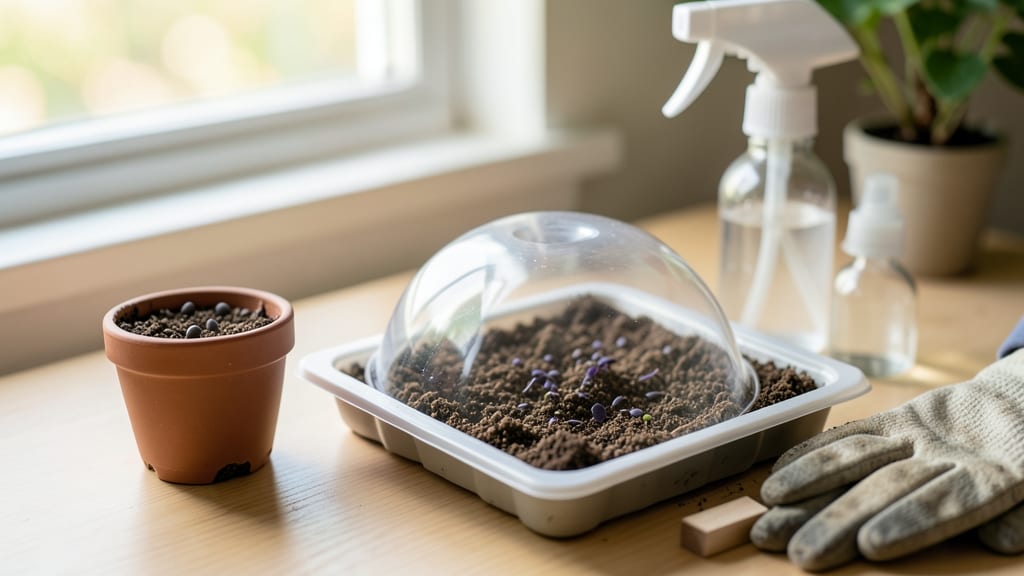
Planting pansy seeds indoors gives you a head start on vibrant spring blooms that most gardeners can only dream of. 🌱 I’ve grown pansies from seed for years, and the secret to success lies in timing, light, and patience—no fancy equipment required.
The first time I saw those tiny seedlings push through the soil, I knew I’d never buy transplants again.
Start with small containers or a seed tray filled with well-draining potting mix—no need for expensive soil blends. Scatter seeds lightly on the surface (they’re tiny, so no need to bury them deep) and keep them moist but not soggy.
A sunny windowsill or a basic grow light is all you need to coax those first leaves out in about 10-14 days. The key is consistency: pansies hate drying out or sitting in cold, damp soil.
By 6 weeks, you’ll have sturdy seedlings ready to transplant outdoors, their tiny flowers already forming. The payoff? A garden bursting with color weeks before neighbors even think about planting. Just watch for leggy seedlings—a sign they’re stretching for light—and thin them gently to avoid crowding.
This method works for any indoor space, from bright kitchens to sunrooms. Once you’ve mastered it, you’ll wonder why you ever bought pansies from the store. Let’s get those seeds going!
📚 In This Guide
- What you need
- Instructions
- Tips and common mistakes
- Wrapping up and next steps
What you need
- ● Pansy seeds: Choose high-quality, Viola × wittrockiana seeds (about 10–20 seeds per container, depending on size). Opt for heirloom or hybrid varieties for vibrant blooms!
- ● Seed-starting trays or containers: Use 4–6 inch deep trays with drainage holes or small pots (3–4 inches in diameter). Cell packs (2–3 inches deep) work great for individual seedlings.
- ● Seed-starting mix: A lightweight, sterile mix designed for seedlings (e.g., 50% peat moss, 30% perlite, and 20% vermiculite). Avoid garden soil—it’s too dense!
- ● Grow lights or sunny windowsill: Pansies need 12–16 hours of light daily. A full-spectrum LED grow light (or a south-facing window) is ideal.
- ● Misting bottle or spray nozzle: For gentle watering to keep seeds moist without disturbing them.
- ● Plastic wrap or humidity dome: To create a mini greenhouse and retain moisture while seeds germinate.
- ○ Heat mat (optional but helpful): Maintains soil temperature at 65–75°F for faster germination (especially in cooler climates).
- ● Small hand trowel or spoon: For gently pressing seeds into the soil.
- ● Plant labels: Mark varieties and planting dates to track growth.
- ● Fertilizer (balanced, water-soluble): Dilute to half-strength once seedlings sprout (e.g., 10-10-10 or 5-5-5).
- ● Scissors or knife: For trimming plastic wrap or adjusting humidity domes.
- ○ Thermometer (optional): Monitors soil and air temperature for optimal conditions.
Step-by-Step instructions for planting pansy seeds indoors
Here's the foolproof method I use every year to get vibrant pansies blooming by Mother's Day.
🌱 Step 1: Prepare Containers and Seed Starting Mix
Fill 4-inch diameter containers with a light, sterile seed-starting mix—never garden soil. Pansies need perfect drainage, so I always add a handful of perlite to the mix to prevent soggy roots. Press the soil down lightly with your fingers until it's firm but not compacted. You want it to hold shape when gently squeezed but still feel airy.
Moisten the mix until it's damp like a wrung-out sponge. Too much water creates a muddy mess, while too little means seeds won't germinate. A spray bottle works best for even moisture without disturbing the soil surface. Place the containers on a seedling heat mat set to 65-70°F—this warmth speeds up germination significantly.
🌱 Step 2: Sow Seeds at the Right Depth and Spacing
Sprinkle 2-3 seeds per container on the soil surface—pansies are tiny, so don't bury them. Press them in lightly with your fingertip, just enough to make contact with the soil. Covering them with soil prevents germination. I like to use a toothpick to create tiny divots for each seed, which helps with spacing.
Place the containers under a grow light or in a bright window (south-facing gets the best results). Keep the soil consistently moist by misting lightly every 2-3 days—you'll know it's right when the surface looks damp but not wet. Germination takes 7-14 days at this temperature, so patience is key.
☀️ Step 3: Provide Optimal Light and Care for Seedlings
Once sprouts appear, move them to a 14-16 hour light day using a grow light. Pansies need strong light to prevent leggy growth—those stretched stems mean your seedlings are reaching for light. Position the light 2-3 inches above the plants and raise it as they grow to maintain that distance.
Water from the bottom by placing containers in a shallow tray of water for 10-15 minutes. This prevents soil from splashing on delicate leaves, which can cause disease. Thin seedlings to the strongest one per container once they have 2 true leaves—use small scissors to snip at soil level to avoid disturbing roots.
⏰ Step 4: Harden Off and Prepare for Transplanting
About 4-6 weeks after sowing, when seedlings have 4-5 leaves, start hardening them off. Place containers outside in a sheltered spot for 1-2 hours the first day, gradually increasing time over 7-10 days. This toughens their stems so they can handle outdoor conditions.
Choose a cloudy day for transplanting to reduce shock. Space plants 6-8 inches apart in well-draining soil enriched with compost. Water deeply after planting to settle the roots. Pansies thrive in cooler weather, so transplanting in early spring gives them time to establish before summer heat arrives.
Tips & tricks for planting pansy seeds indoors
Here's what nobody tells you about getting those pansy seedlings off to the perfect start.
Heat Mat Secret: That 65-70°F heat mat temperature is non-negotiable for germination. I learned this the hard way after watching seeds sit for weeks with no sprouts—turns out my kitchen was too cool! If you don't have a heat mat, place containers on top of your refrigerator (the coils create gentle warmth) or nestle them between two boxes near your furnace. Just don't let temps drop below 60°F or germination slows dramatically.
Light Positioning: When setting up your 14-16 hour light day, position the grow light so it's just 2-3 inches above the seedlings at their tallest point. I use a small ruler to measure this distance—it's easy to forget to adjust as they grow. If you notice seedlings stretching toward the light (leggy growth), you're too far away. The light should be bright enough that you can't read a book comfortably underneath it.
Moisture Management: The "damp like a wrung-out sponge" test is your best friend for Step 1. To check consistency, squeeze a handful of soil—it should hold together when pressed but not drip water. For the 2-3 day misting schedule in Step 2, I set a phone reminder every 3 days at the same time. Overwatering is the #1 killer of pansy seedlings, so when in doubt, wait a day before misting again. The soil surface should never look shiny or wet.
Thinning Technique: When thinning to one seedling per container at the 2 true leaves stage, use small scissors to snip at soil level rather than pulling. This prevents disturbing the roots of your chosen plant. I like to do this on a sunny day when the soil is slightly dry—it's easier to see the delicate stems and makes the process cleaner. If you're nervous about cutting, practice on a few extra seedlings first to get comfortable with the technique.
Pro Tips for Planting Pansy Seeds Indoors
- Here's what nobody tells you about getting those pansy seedlings off to the perfect start.
- Heat Mat Secret: That 65-70°F heat mat temperature is non-negotiable for germination.
- Light Positioning: When setting up your 14-16 hour light day, position the grow light so it's just 2-3 inches above the seedlings at their tallest point.
Frequently asked questions
Got questions about growing pansies from seed indoors?
You’re not alone! Here are answers to the most common concerns—from timing to troubleshooting—to help you succeed with your early spring blooms.
When is the best time to start planting pansy seeds indoors?
Start pansy seeds 8–10 weeks before your last frost date (typically late winter or early spring). This gives seedlings enough time to mature before transplanting outdoors. Check your local frost dates for precision—pansies thrive in cool weather and can even handle light frost!
Can I plant pansy seeds too early or too late?
Yes! Planting too early (e.g., late fall) risks leggy, weak seedlings due to long daylight. Planting too late (e.g., spring) may delay blooms or result in smaller flowers. Aim for 6–8 weeks before transplanting for ideal results. If you miss the window, try a slow-release fertilizer to boost growth.
Do pansy seeds need light to germinate?
Pansy seeds do not need light to germinate—they’ll sprout just fine in darkness. However, once they emerge, move trays to a bright, indirect light source (like a sunny windowsill or grow lights) to prevent weak, stretched seedlings. Keep soil consistently moist but not soggy during this phase.
What should I do if my pansy seedlings look leggy or weak?
Leggy seedlings usually mean too little light or overcrowding. Remedy this by:
- Moving trays closer to a light source (or adding grow lights).
- Thinning seedlings to 1–2 inches apart to reduce competition.
- Using a diluted fertilizer (like half-strength 10-10-10) to encourage sturdy growth.
Can I grow pansies from seeds if I don’t have a sunny windowsill?
Use grow lights (LED or fluorescent) for 12–16 hours daily to mimic sunlight. Place lights 2–4 inches above seedlings and adjust height as they grow. Alternatively, a south-facing window or a sunny porch works well. Just ensure consistent light to avoid weak stems.
What’s the best way to harden off pansy seedlings before outdoor planting?
Harden off seedlings 7–10 days before transplanting by gradually exposing them to outdoor conditions:
- Start with 1–2 hours in a sheltered, shady spot.
- Increase exposure daily, adding sun and wind slowly.
- Avoid harden-off during hot afternoons—pansies prefer cool temps!
Wrapping up and next steps
Planting pansy seeds indoors is a rewarding way to kickstart your spring garden—with vibrant blooms just six weeks away! 🌱 By following the right steps—from seed prep to proper lighting and care—you’ll nurture healthy seedlings ready for transplanting.
Don’t let hesitation hold you back; every gardener starts somewhere, and your patience will pay off in a burst of color.
Now that you’re armed with the know-how, take the next step: grab your supplies, set up your seed-starting station, and get those pansy seeds in the soil. Before you know it, you’ll be pinching back leggy seedlings and prepping for outdoor planting. Happy growing! 🌸