
Container Gardens
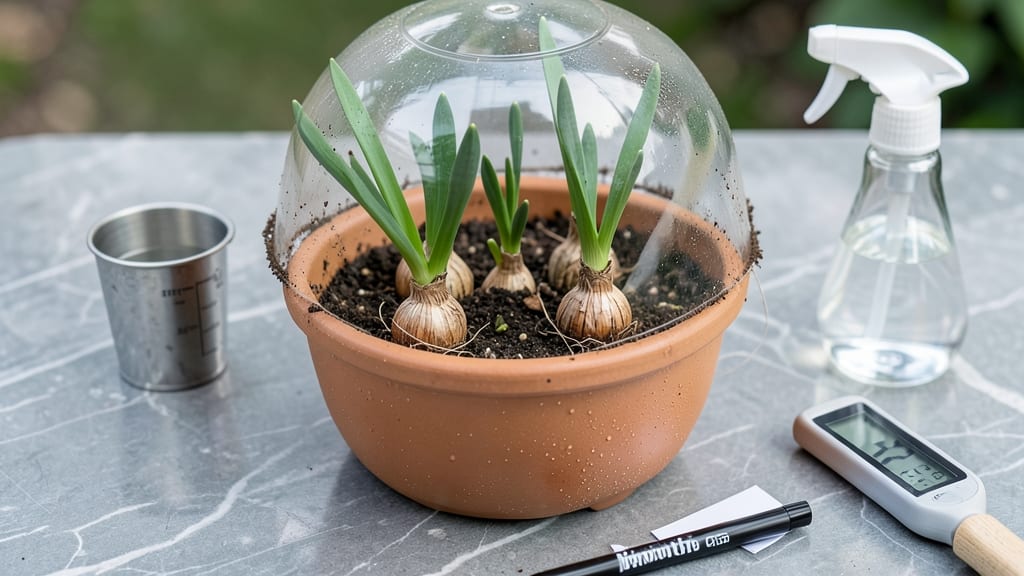
Forcing daffodil bulbs indoors means brightening your home with cheerful yellow blooms by Valentine’s Day—no waiting for spring. 🌼 I’ve forced bulbs every winter for years, and the secret lies in mimicking the natural cold period they need to bloom.
Most gardeners skip this step, but it’s what transforms dormant bulbs into vibrant stems in just 8 weeks. You’ll need a few simple supplies: paperwhite daffodil bulbs (they’re the easiest), a shallow container, well-draining potting mix, and a cool, dark spot for pre-chilling.
The key is patience—bulbs need 6-8 weeks of cold treatment before they’ll bloom indoors. Skip this, and you’ll end up with weak stems or no flowers at all. Once you’ve pre-chilled them, move the container to bright, indirect light and watch for green shoots in 2-3 weeks.
The blooms arrive like clockwork, filling your home with that unmistakable spring scent. Just be careful with watering—too much can rot the bulbs, while too little stunts growth. This method works for paperwhites, jonquils, and even some tulips. Perfect for holiday gifts, early spring cheer, or just beating cabin fever.
Let’s get those bulbs blooming!
📚 In This Guide
- What you need
- Instructions
- Tips and common mistakes
- Wrapping up and next steps
What you need
- ● Daffodil bulbs: 3–5 medium-sized (Narcissus spp.), unsprouted, and firm to the touch. Look for varieties like Ice Follies or Tête-à-Tête for compact, indoor-friendly blooms.
- ● Well-draining potting mix: 1–2 quarts of a cactus/succulent mix or a blend of potting soil + perlite/vermiculite (1:1 ratio). Avoid heavy garden soil!
- ● Container: A shallow pot (6–8 inches wide) with drainage holes. Terracotta or ceramic works best—just ensure it’s not too deep (daffodils hate soggy roots!).
- ● Gravel or pebbles: 1–2 inches of small (¼-inch) pebbles or coarse sand for drainage at the bottom of the pot.
- ● Watering can or spray bottle: With a gentle misting function to avoid overwatering.
- ● Trowel or spoon: For planting bulbs without damaging them.
- ○ Fertilizer (optional): A balanced, water-soluble fertilizer (5-5-5 or 10-10-10) diluted to half-strength. Use sparingly—daffodils don’t need much!
- ○ Grow lights (optional): A full-spectrum LED bulb (12–14 hours/day) if your space lacks natural light.
- ○ Decorative stones or moss (optional): For a polished, container-garden look after planting.
- ○ Thermometer (optional): To monitor cool, dark storage temps (35–45°F) during the forcing process.
Step-by-step instructions for forcing daffodil bulbs indoors
Here’s the foolproof method I use every year to coax vibrant daffodils indoors—no greenhouse needed.
🌱 Step 1: Select and Prep the Bulbs
Choose large, firm daffodil bulbs (at least 2 inches wide) from a reputable supplier—smaller ones may not flower as dramatically. Remove any dried or damaged outer layers, but leave the papery skin intact to protect the bulb. This is the moment that matters: bulbs forced from storage (not fresh) yield the best results, so plan ahead if you’re using garden bulbs.
Place the bulbs in a shallow container (like a wide tray) with their necks exposed—about half the bulb should sit above the soil line. This prevents rot while allowing roots to develop freely. I like to use a 6-inch-wide ceramic dish for my 4-bulb setup, but any wide, shallow container works. The key is airflow around the bulb base.
💧 Step 2: Chill the Bulbs for 8–12 Weeks
Fill the container with moistened potting mix (not garden soil) until the bulbs are half-buried, then place the tray in a cool, dark spot (like a garage or basement) where temperatures stay between 35–45°F. This cold stratification mimics winter conditions and triggers flowering. Check the mix weekly—it should stay evenly damp but not soggy. Overwatering now will rot the bulbs before they even sprout.
After 8–12 weeks, you’ll see green shoots breaking through the soil. That’s your cue to move the tray to a bright, cool room (like a sunny windowsill). If shoots appear unevenly, the bulbs may need another week of chill time. Patience here ensures strong stems and blooms—not rushing leads to leggy, weak flowers.
☀️ Step 3: Move to Light and Encourage Blooming
When shoots reach 2–3 inches tall, transfer the tray to a south-facing window or under a grow light (12–14 hours daily). Daffodils need bright light to prevent stretching, but avoid direct midday sun—it can scorch tender leaves. Rotate the tray quarter-turn daily so stems grow straight. You’ll notice leaves darkening to a rich green within 5–7 days—that’s your signal the bulbs are thriving.
Water sparingly from the bottom by placing the tray in ½ inch of water for 10 minutes, then draining excess. Never let bulbs sit in water. Once buds form, increase water slightly—soil should stay moist but not wet. Overwatering now causes buds to drop before opening. Real talk: this is where most forcing fails, so monitor closely.
⏰ Step 4: Time the Bloom for Peak Impact
Daffodils forced indoors bloom 6–8 weeks after moving to light, but you can adjust timing by extending or shortening the chill period. For Valentine’s Day blooms, start chilling in mid-December. For Easter, begin in late January. Watch for buds swelling—this happens 2–3 weeks before opening. Once buds appear, keep the room cool (60–65°F) to prolong vase life.
When flowers open, cut stems diagonally (just above a leaf node) and place in lukewarm water immediately. Change water every 2 days and trim stems by ½ inch to encourage uptake. Forced daffodils last 5–7 days in water—longer than most cut flowers. Here’s the thing: forced blooms won’t rebloom, but you can replant bulbs outdoors after flowering if desired (they’ll naturalize over time).
Tips & tricks for perfect indoor daffodil forcing
These little details make all the difference between wimpy stems and showstopping spring blooms.
Bulb Selection Matters: Don't skimp on size—those 2-inch-wide bulbs are non-negotiable for dramatic flowers. I've tried smaller ones, and they either fail to bloom or produce puny blooms. Look for firm bulbs with no soft spots or mold. The papery skin should feel dry and intact—this protects against rot during the 8–12 week chill period. Pro tip: Store bulbs in a cool, dark place until you're ready to start forcing to maintain their vitality.
Temperature Precision: That 35–45°F chill range is critical for triggering flowering. I've learned this the hard way—any warmer and the bulbs may sprout too early, leading to weak stems. Use a thermometer if your garage or basement fluctuates. For extra insurance, place a small fan nearby to improve airflow around the bulbs, which helps prevent mold. The moment you see those first green shoots, it's time to move to light—don't wait for them to get leggy!
Lighting Strategy: When your shoots hit 2–3 inches, that's your cue to move to bright light. South-facing windows work, but if you're using a grow light, position it 12–14 inches above the plants for 12–14 hours daily. I've noticed daffodils stretch toward light like teenagers reaching for the cookie jar—rotate your tray daily to keep stems straight. The 5–7 days it takes for leaves to darken to rich green is your confirmation they're thriving. Too little light here causes weak stems that can't support heavy blooms.
Watering Wisdom: The bottom-watering method is genius—place your tray in ½ inch of water for just 10 minutes, then drain. This prevents soggy soil while keeping roots hydrated. Once buds form, increase water slightly but never let bulbs sit in standing water. I've seen buds drop before opening because of overwatering—this is where most forcing fails. The key is consistent moisture without waterlogging. For extra insurance, use a moisture meter to keep soil in the 40–50% moisture range during the blooming phase.
Pro Tips for Force Daffodil Bulbs Indoors
- These little details make all the difference between wimpy stems and showstopping spring blooms.
- Bulb Selection Matters: Don't skimp on size—those 2-inch-wide bulbs are non-negotiable for dramatic flowers.
- Temperature Precision: That 35–45°F chill range is critical for triggering flowering.
Frequently asked questions
Got questions about forcing daffodil bulbs indoors? You’re not alone! Here are answers to the most common concerns—so you can enjoy those bright blooms without the guesswork.
When is the best time to start forcing daffodil bulbs indoors?
For the best results, plant your bulbs 8–10 weeks before your desired bloom date (typically mid-to-late winter). This timing ensures they’ll flower around the holidays or early spring. If you’re aiming for Valentine’s Day, start in early December!
Do I need a dark, cold period (like refrigeration) to force daffodils?
Yes! Daffodils need a 12–16 week cold period (40–50°F / 4–10°C) to break dormancy. Store them in a cool, dark place (like a garage or basement) before moving them to a sunny windowsill or under grow lights. Skipping this step = no blooms!
Can I use regular potting soil, or do I need something special?
Use a well-draining mix—like cactus/succulent soil or a blend of potting soil and perlite (50/50). Avoid heavy garden soil, which can cause rot. A small pot with drainage holes works best (6–8 inches deep).
What if my daffodil bulbs sprout but don’t bloom?
This usually happens if the bulbs didn’t get enough cold time or lack light. Move them to a bright spot (6+ hours of sunlight or grow lights) and check for drafts or temperature swings. If they’re still stubborn, try forcing a new batch with adjusted timing!
Can I reuse forced daffodil bulbs for another year?
Unfortunately, forced bulbs often won’t rebloom because the energy is spent on flowering. However, you can plant them outdoors in fall—they may return with new growth (and possibly flowers) the following spring! Treat them like a one-time indoor showstopper.
Wrapping up and next steps
Forcing daffodil bulbs indoors is a rewarding way to welcome early spring vibes into your home! 🌸 With just a few simple steps—choosing healthy bulbs, chilling them properly, and providing the right light—you’ll enjoy vibrant blooms in just 8 weeks.
Whether you’re a gardening newbie or a seasoned pro, this project is both fun and fulfilling.
Now that you’re ready to dive in, pick your bulbs and get started—your future indoor garden awaits! 🌱 For extra inspiration, explore creative ways to display your blooms or even try forcing other spring bulbs like tulips next.