
Plants
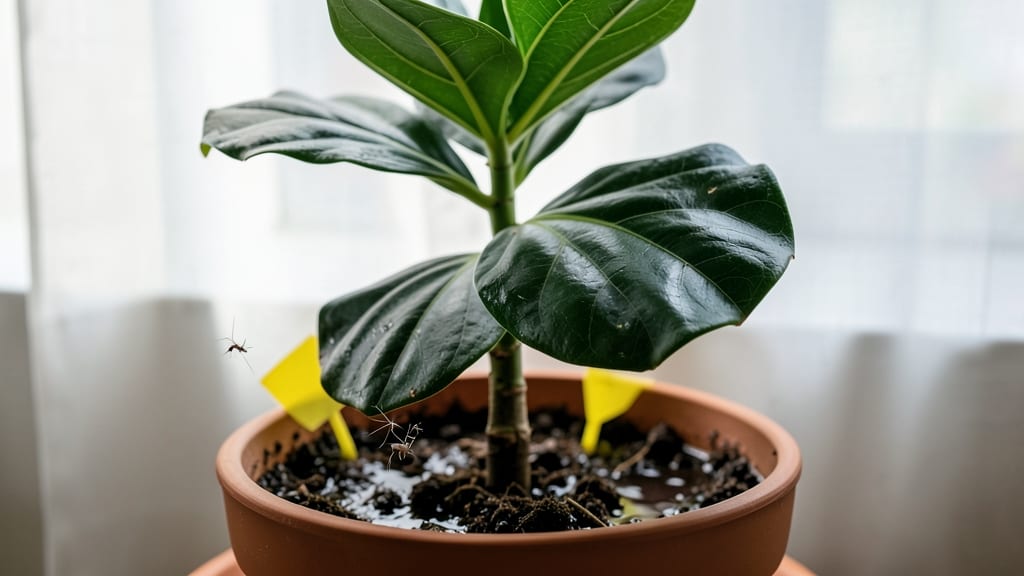
Those little flies in indoor plants buzzing around your ferns aren’t just annoying—they’re a sign your indoor plants need help. 🌱 I’ve battled fungus gnats and fruit flies in my own collection, and the key isn’t just killing them but disrupting their cycle before they multiply.
The right predators, like nematodes or ladybug larvae, can turn the tide in just a few weeks.
Most infestations start with overwatered soil or decaying organic matter—fungus gnats love damp, rotting roots. Fruit flies, on the other hand, are drawn to ripe fruit or spilled sugary liquids near your plants. The good news? Both can be managed without harsh chemicals if you catch them early.
By introducing beneficial predators and adjusting your watering routine, you’ll see fewer flies within 2-3 weeks. Your plants will stay healthier, and those pesky adults will disappear before they lay more eggs. The best part? These methods work for houseplants, herbs, and seedlings alike.
Prevention is easier than cleanup—think of it as an investment in long-term peace. Once you’ve got the cycle under control, your indoor garden will thrive without the constant buzz of unwelcome guests.
Root Causes Of Tiny Plant Invaders
Those pesky little flies buzzing around your indoor plants aren’t just a nuisance—they’re often a sign of deeper issues lurking in your soil or care routine. Understanding why they appear helps you tackle the problem at its source.
Below, we break down the most common triggers, from overwatering to hidden decay, with science-backed explanations to help you act fast.
Most tiny plant flies (like fungus gnats or fruit flies) thrive in damp, decaying organic matter. When you overwater, you’re essentially turning your potting mix into a buffet for their larvae. Here’s how it happens:
- Excess moisture: Soil that stays soggy for days (or weeks) lacks oxygen, promoting bacterial and fungal growth. These microbes break down organic material—like dead roots or compost—into a mushy, nutrient-rich sludge that larvae love.
- Root rot connection: Weakened roots from overwatering release sugars and organic acids into the soil, attracting flies. Fungus gnats, in particular, lay eggs in moist soil within 24–48 hours of excess water.
- The “topsoil trap”: Even if your plant’s roots are dry deeper down, the top inch of soil can stay perpetually wet. This thin layer is prime real estate for flies to breed undetected.
Actionable fix: Let the top 1–2 inches of soil dry out completely between waterings. Use a moisture meter or stick your finger in—if it’s damp past your first knuckle, wait.
Plants naturally shed leaves, stems, and roots, but when this debris piles up in stagnant soil, it becomes a breeding ground. Flies like fruit flies and drain flies are drawn to:
- Old compost or mulch: Fresh compost is fine, but aged compost (especially if it’s still warm or smells sour) can harbor fly eggs. Even “sterile” potting mixes can contain hidden organic particles.
- Dead plant material: Wilted leaves, rotting bulbs (like daffodils or amaryllis), or decomposed roots release volatile organic compounds (VOCs) that flies detect from feet away.
- Pet waste or food scraps: If you’ve used coffee grounds, banana peels, or even pet bedding as fertilizer, these can ferment and emit odors that lure flies.
Actionable fix:
- Sift old potting mix through a fine mesh to remove debris before repotting.
- Replace the top 2–3 inches of soil with fresh, sterile mix.
- Remove all dead plant matter—even hidden bulbs or rhizomes.
If water pools at the bottom of your pot or drains slowly, you’re creating the perfect anaerobic (oxygen-free) environment for flies. Here’s the science:
- Stagnant water = microbial explosion: Without oxygen, aerobic bacteria die off, but anaerobic microbes (like certain fungi and bacteria) thrive. These break down organic matter into methane, hydrogen sulfide, and other gases—all of which attract flies.
- Root-bound stress: Plants in crowded roots produce more ethylene gas (a plant hormone that signals stress). Flies are drawn to ethylene, mistaking it for rotting fruit.
- Saucer buildup: Even if your pot drains, if excess water sits in the saucer for hours, it evaporates slowly, leaving behind a thin film of moisture that keeps soil damp.
Actionable fix:
- Ensure pots have drainage holes and use a cache pot (with pebbles) to catch excess water.
- Repot in a container 20–30% larger to improve airflow if roots are circling.
- Use perlite or orchid bark (20–30% of the mix) to boost drainage.
Flies reproduce faster in warm, humid environments—think summer greenhouses or bathrooms with poor ventilation. Temperature and humidity directly impact their lifecycle:
- Larval development: Fungus gnat larvae hatch in 3–5 days at 70°F (21°C) but can take 2 weeks in cooler conditions. At 80°F (27°C), they mature in just 2–3 days.
- Humidity triggers: Flies need 60–80% humidity to lay eggs. A steamy bathroom or kitchen window sill becomes a fly paradise.
- Seasonal spikes: Indoor plants near AC vents or drafty windows may see fly outbreaks when outdoor temps drop—flies move inside to escape cold.
Actionable fix:
- Use a small fan (on low) near plants to reduce humidity and disrupt fly mating.
- Avoid misting plants—water at the base instead.
- In winter, keep plants away from heat sources (like radiators) that create microclimates.
Pro tip: 🔍 Check for hidden clues—yellowing leaves, mold on soil, or a sour smell? These are red flags for fly-friendly conditions. Act fast, and you’ll starve the problem before it spreads!
Quick Fixes for Tiny Plant Invaders
Got those pesky little flies buzzing around your indoor plants? 🚫🪰 Don’t panic—these solutions are simple, natural, and effective! Below, we’ll match common causes of tiny flies (like fungus gnats or fruit flies) to the best fixes, plus tips to keep them from coming back.
Cause: Fungus gnats thrive in soggy soil where larvae feast on decaying organic matter. Fix:
- Stop watering immediately—let the top 1–2 inches of soil dry out before watering again.
- Repot the plant (if needed) into fresh, well-draining soil mixed with perlite or sand.
- Place a coffee filter or mesh over the soil surface to block adult flies from laying eggs.
- Use a shallow tray of water with a drop of dish soap—gnats will drown in it (place near the plant).
Prevention Tip: 💡 Water only when the topsoil feels dry, and ensure pots have drainage holes.
Cause: Fruit flies or vinegar flies are attracted to rotting fruit, overripe produce, or spilled liquids. Fix:
- Set up apple cider vinegar traps:
- Fill a small bowl with apple cider vinegar + a drop of dish soap.
- Cover with plastic wrap, poke tiny holes, and place near the plant.
- Flies enter but can’t escape—dispose of them daily.
- Check for hidden food sources:
- Remove overripe fruit, spilled drinks, or decaying plant matter.
- Wipe down leaves and surfaces with a vinegar-water spray (1:1 ratio) to deter them.
Prevention Tip: 🍎 Store fruit in the fridge (not near plants) and clean up spills ASAP.
Cause: Tiny white or black flies (whiteflies, aphids) suck plant sap and leave sticky residue. Fix:
- Blast them off with a strong stream of water from a hose or spray bottle.
- Use insecticidal soap:
- Mix 1 tbsp mild castile soap + 1 quart water, spray directly on pests (test on a small leaf first).
- Introduce beneficial insects:
- Ladybugs or lacewings eat whiteflies—order them online or find them at garden centers.
Prevention Tip: 🌿 Inspect new plants before bringing them indoors to avoid hitchhiking pests.
For tough cases, mix one of these natural sprays and apply every 3–5 days:
- Neem oil spray: 1 tsp neem oil + 1 tsp soap + 1 quart water (shakes flies off and disrupts their life cycle).
- Garlic spray: Blend 2 garlic cloves + 1 quart water, strain, and spray (flies hate the smell!).
- Chili pepper spray: 2 tbsp cayenne pepper + 1 quart water + 1 tsp soap (irritates their bodies).
Pro Tip: ✨ Spray early in the morning for best results—flies are sluggish then.
- Quarantine new plants for 2 weeks before introducing them to your collection.
- Use sticky traps (yellow cards) near windows or plant stems to catch adults.
- Rotate plants occasionally to disrupt fly breeding cycles.
- Boost plant health—strong, well-cared-for plants resist pests better!
Remember: Patience is key! It may take 1–2 weeks to see a full reduction in flies. Stick with the fixes, and your plants will thank you with lush, pest-free growth. 🌿✨
Frequently asked questions
Why do I see tiny flies around my indoor plants even when I don’t water them often?
Those persistent flies could be fruit flies or vinegar flies, not fungus gnats. They’re drawn to hidden organic matter like rotting fruit, spilled drinks, or old compost in your soil. Even a tiny amount of fermenting material can attract them—check under pots and around plant bases for clues.
How long does it take for beneficial nematodes to work against fungus gnats?
Beneficial nematodes typically start killing larvae within 24–48 hours of application, but you’ll see fewer adult flies in 1–2 weeks. For best results, apply them to moist soil in the evening when flies are most active. Repeat every 4–6 weeks to maintain control.
Will yellow sticky traps work for all types of plant flies?
Yellow sticky traps catch adult fungus gnats, whiteflies, and aphids effectively, but they’re less effective against fruit flies or vinegar flies. For those, use vinegar traps instead. Place traps near plant foliage where flies congregate, and replace them every 2–3 weeks when saturated.
Can I use hydrogen peroxide to kill fungus gnat larvae in soil?
Yes! Mix 1 part 3% hydrogen peroxide with 4 parts water and water your plant with it. The oxygen bubbles kill larvae on contact while oxygenating the soil. Use this solution once every 2 weeks—it’s safe for plants but won’t replace long-term fixes like improving drainage.
Why do my plants keep getting reinfested after I fix the problem?
Reinfestations often happen because flies are still laying eggs in hidden spots. Check for overwatered areas, rotting bulbs, or old plant debris in the soil. Also, ensure you’re quarantining new plants and cleaning saucers regularly. Consistency is key—stick with prevention methods for at least 3 months to break the cycle.