
Container Gardens
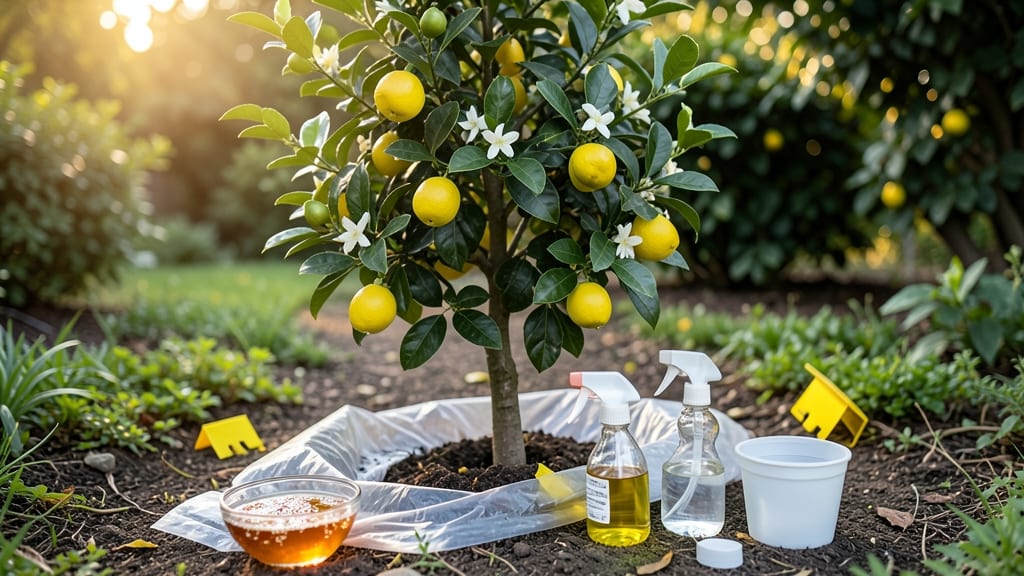
Fruit flies swarming your indoor plants? That tiny infestation is about to become a thing of the past—apple cider vinegar traps work in hours, not weeks.
I’ve battled these pests in my own home, and the secret isn’t some fancy spray but a simple, plant-safe solution that lures them away for good.
The problem starts when overripe fruit or damp soil attracts flies, and before you know it, your peace lilies and ferns become their favorite hangout. But here’s the good news: no chemicals, no fuss.
A basic DIY trap with apple cider vinegar and dish soap does the job—just mix equal parts in a jar, add a drop of dish soap to break the surface tension, and watch them disappear within 24 hours.
You’ll see fewer flies within a day, and your plants will stay pest-free if you keep surfaces clean and compost sealed. The best part? This method is safe for pets and kids, so you can tackle the problem without worry.
No more swatting or spraying—just a quick fix that actually works.
Works for any indoor plant, from snake plants to monstera, and keeps coming back stronger if flies keep returning. Let’s get those flies out of your home for good—without the mess.
Root Causes of Fruit Fly Infestations
Fruit flies—those tiny, buzzing pests—don’t just appear out of nowhere. 🐝🍎 Their presence on your indoor plants is usually a sign of specific conditions that attract them.
Understanding why they show up is the first step to stopping them in their tracks. Let’s break down the science behind their unwanted visits.
Fruit flies (scientifically known as Drosophila melanogaster) are drawn to fermenting organic matter, especially fruits and vegetables that are soft, mushy, or decaying. Their strong sense of smell detects ethanol, acetic acid, and other volatile organic compounds (VOCs) released by rotting produce.
- Why it happens: When fruit breaks down, yeast and bacteria trigger fermentation, producing smells that mimic their natural breeding grounds—think compost piles or fallen fruit in the wild. - Actionable insight: Even a single overripe banana or a forgotten slice of watermelon in your fruit bowl can become a magnet.
These flies can detect these odors from up to 3 miles away (yes, really!).
Fruit flies thrive in damp, organic-rich environments, and overwatered houseplants provide the perfect breeding ground. Their larvae (called "maggots") burrow into soil to feed on decomposing plant matter, fungi, and even dead roots.
- Why it happens: Excess moisture creates an anaerobic (low-oxygen) environment, which speeds up decomposition and releases gases like carbon dioxide and methane—signals to adult flies that it’s time to lay eggs. - Actionable insight: If your plant’s soil feels soggy or has a musty smell, it’s a red flag.
These flies can complete their life cycle in just 7–10 days, turning a small issue into a full-blown infestation.
Fruit flies are opportunistic and exploit any accessible food source, including crumbs, spills, or even pet food left out. Unlike some pests, they don’t need outdoor access—they’ll hitch a ride on grocery bags, dirty dishes, or your shoes.
- Why it happens: Studies show that 80% of fruit fly infestations indoors start from contaminated food or trash. Even a tiny amount of sugar or fruit residue on a countertop can attract them. - Actionable insight: Think of your kitchen or plant area as a buffet.
If you leave out even a single raisin or a dripped soda, you’re essentially rolling out the welcome mat.
Fruit flies are tropical creatures at heart and prefer temperatures between 70–80°F (21–27°C) with high humidity. Indoor plants near windows, bathrooms, or kitchens often create these ideal conditions.
- Why it happens: Warm air holds more moisture, slowing evaporation and keeping soil damp longer. This combo accelerates microbial activity, producing the smells that lure flies. - Actionable insight: If your plants are clustered in a steamy bathroom or near a humidifier, you’ve created a fruit fly paradise.
Even a 5–10°F drop in temperature can deter them.
Fruit flies are masters of disguise, squeezing into tiny cracks, drains, and crevices where sprays can’t reach. Their eggs are nearly invisible—just 0.5mm long—and can hatch in 8–12 hours under the right conditions.
- Why it happens: They exploit gaps in window seals, plant saucers with standing water, or even the folds of your grocery bags.
A single female can lay 500 eggs in her lifetime, ensuring a rapid takeover. - Actionable insight: Check under pots, behind leaves, and in seldom-cleaned corners. Their presence often goes unnoticed until you see them swarming around your plants.
Even if you never open a window, fruit flies can hitchhike indoors on:
- Grocery bags (especially produce with stickers or labels)
- Potted plants from nurseries or gifts
- Pet food or birdseed left exposed
- Why it happens: Adult flies can live for 40–50 days, giving them plenty of time to reproduce before you even notice the problem.
- Actionable insight: Quarantine new plants for a few days and inspect them thoroughly before bringing them inside. A quick vinegar spray can deter stowaways.
Fruit flies don’t just appear—they exploit a chain of conditions. For example:
- Overwatering → Damp soil → Fermentation → Attracts flies.
- Leftover fruit scraps → Yeast growth → Ethanol release → Egg-laying site.
- Humid air → Slower drying → Extended breeding window.
Pro Tip: 💡 Break the cycle early. Addressing just one of these factors (like removing rotten fruit or adjusting watering) can disrupt their life cycle before it spirals out of control.
Quick Fixes for Fruit Fly Infestations
Fruit flies on your indoor plants aren’t just annoying—they multiply fast and can ruin your greenery if left unchecked. The good news? You don’t need harsh chemicals to solve the problem. Below are targeted solutions based on the most common causes, from overripe produce to hidden breeding spots.
Each method is easy, budget-friendly, and effective—so you can reclaim your plants in no time.
Fruit flies are drawn to fermenting sugars, so if you’ve got a banana peel turning brown or a squishy apple, that’s their buffet. Act now before they lay eggs in your soil.
🔥 Step 1: Remove the Culprit
- Toss any overripe fruit, moldy produce, or decaying plant matter immediately in an outdoor trash bin (not your kitchen bin—fruit flies will follow the scent back inside).
- Wipe down counters, cutting boards, and surfaces with vinegar or soapy water to eliminate lingering odors.
🍳 Step 2: Set Up a Vinegar Trap (Works in Hours!) Fruit flies can’t resist apple cider vinegar—it mimics their favorite fermenting spots.
- Fill a small bowl or jar with apple cider vinegar (or white vinegar in a pinch).
- Add a drop of dish soap (this breaks the surface tension so flies drown).
- Cover the bowl with plastic wrap, poke tiny holes in it, and secure with a rubber band.
- Place near your plants and check daily. Empty and refill every 24–48 hours for maximum effectiveness.
💡 Pro Tip: For a non-vinegar option, use a red wine trap—fruit flies are attracted to the color and smell. Pour a splash of red wine into a shallow dish, add soap, and watch them disappear.
If your plants are already infested, eggs or larvae might be hiding in the soil. Smother them before they hatch into more flies.
👨🍳 Step 1: Inspect and Refresh the Soil
- Gently sift through the top layer of soil (wear gloves!) and remove any decaying leaves, old mulch, or debris.
- Replace the top inch of soil with fresh, sterile potting mix to eliminate hidden eggs.
🥘 Step 2: Water with a Natural Repellent Fruit flies hate neem oil and hydrogen peroxide—both disrupt their life cycle.
- Mix 1 tsp neem oil with 1 quart of water and lightly spray the soil (avoid over-saturating).
- OR use 3% hydrogen peroxide (food-grade) at a 1:1 ratio with water to kill larvae on contact.
- Reapply every 3–4 days until the infestation clears.
✨ Pro Tip: Add a thin layer of sand or diatomaceous earth (food-grade) to the soil surface. It’s harmless to plants but dehydrates fly eggs and larvae within 24 hours.
Fruit flies thrive in moist, dark crevices—think empty plant pots, drainage trays, or even your sink drain. Block their access points to starve out the colony.
🔪 Step 1: Deep-Clean Plant Containers
- Empty all plant pots, saucers, and trays and scrub them with hot, soapy water.
- Rinse well and dry completely (flies love dampness).
- Replace old soil in pots—sterilize by microwaving for 2 minutes (if small) or baking at 200°F for 30 minutes.
⏰ Step 2: Trap Them in Problem Areas
- Drain traps: Drop boiling water + vinegar down the sink drain, then pour baking soda + vinegar to clean and deodorize.
- Wall cracks or gaps: Place small vinegar traps near baseboards or behind furniture where flies might hide.
- Windowsills: Fruit flies love sunlight—set up sticky traps (yellow cards) near windows to catch stragglers.
🎯 Pro Tip: Citrus peels (orange, lemon) act as a natural repellent. Place dried peels near plants or freeze them in ice cubes for a fresh, fly-free scent.
Once you’ve eliminated the flies, break their cycle with these habits:
- Store produce properly: Keep fruits in the fridge (even ripe ones) or in a sealed container with a baking soda packet to absorb odors.
- Clean as you cook: Wipe counters immediately after prepping fruits/veggies to remove sticky residues.
- Inspect new plants: Before bringing home a new houseplant, quarantine it for 2 weeks and check for pests.
- Use essential oils: Place a few drops of peppermint, eucalyptus, or lavender oil on cotton balls near plants—flies hate these scents.
- Regular soil checks: Every 2–3 months, refresh the top layer of soil to prevent buildup of organic matter.
Final Reminder: Consistency is key! Fruit flies can rebound if you stop treatments early. Stick with traps + prevention for at least 2 weeks to ensure they’re gone for good. 🚫🪰
Frequently asked questions
Why do fruit flies keep coming back even after I've used traps?
Fruit flies return when their food sources or breeding grounds remain accessible. Even one missed overripe fruit or damp soil spot can restart the cycle. Check hidden areas like drain traps, compost bins, and under plant saucers—these are common overlooked breeding sites. Also, replace traps every 24–48 hours to maintain effectiveness.
Can I use vinegar traps near my plants without harming them?
Apple cider vinegar traps are completely safe for plants. The key is keeping the mixture away from foliage—place traps on stable surfaces near (not touching) plants. The vinegar smell attracts flies but won't damage leaves, and the dish soap ensures flies drown without affecting your greenery.
How long does it take to completely eliminate a fruit fly infestation?
With consistent traps and prevention, you'll see a noticeable reduction within 24 hours. For complete elimination, dedicate 7–14 days to daily trap maintenance, soil checks, and removing food sources. The timeline depends on how early you catch eggs/larvae—addressing soil infestations takes longer than just trapping adults.
Are there any plants that naturally repel fruit flies?
Yes! Place herbs like basil, mint, or lavender near your plants—their strong scents deter fruit flies naturally. You can also try citrus plants (like lemon or orange trees), as flies avoid their aromatic oils. For immediate results, rub fresh herb leaves on plant stems or place small pots of these repellents around your indoor garden.
What should I do if I find maggots in my plant soil?
Don't panic—maggots indicate an active infestation that needs immediate action. Remove all visible maggots with tweezers, then refresh the top 1–2 inches of soil with sterile potting mix. Water with a hydrogen peroxide solution (1:1 ratio) to kill remaining larvae, and set up vinegar traps nearby. Repeat soil checks every 3–4 days until no more maggots appear.