
Container Gardens
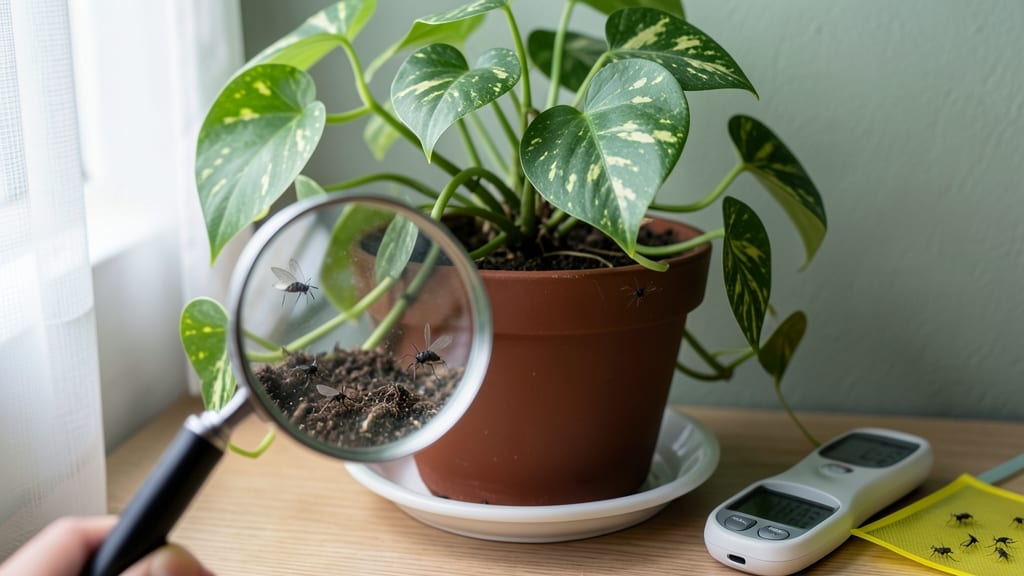
Those flies in indoor plant soil are the tiny nuisance that turns your green thumb into a pest magnet. 🌱 I’ve battled these winged intruders in my own collection, and the key to eradicating them starts with understanding their life cycle—larvae feast on decaying organic matter while adults lay eggs in constantly damp soil.
The good news? You don’t need harsh chemicals to win this fight. Simple household fixes like yellow sticky traps (cheap and effective) or a top layer of coarse sand disrupt their breeding cycle.
I’ve seen infestations vanish within 10-14 days by combining traps with adjusted watering—just let the top inch of soil dry between waterings.
Once you’ve broken their cycle, prevention becomes effortless. A weekly sprinkle of cinnamon on the soil deters eggs, and rotating plants occasionally keeps them from establishing colonies. Your plants will stay lush, and those annoying flies? Gone for good.
This method works for every indoor plant, from ferns to fiddle-leaf figs, without harming your greenery. No more swatting at flies while watering—just a cleaner, healthier growing space.
The Hidden Triggers Behind Soil Flies
If you’ve ever spotted tiny, buzzing flies hovering around your indoor plants, you’re not alone. These unwelcome guests—often called fungus gnats or fruit flies—don’t just appear out of nowhere. Their presence is usually a sign that something in your plant care routine is off.
Understanding the root causes helps you tackle the problem before it spirals. Let’s break down the most common reasons these flies invade your soil, with science-backed explanations and actionable insights.
Fungus gnats, in particular, thrive in moist, anaerobic (low-oxygen) soil. Here’s why:
- Larvae love dampness: Female fungus gnats lay their eggs in consistently wet soil because the larvae need moisture to survive. Think of it like a damp sponge—ideal for hatching and growth.
- Root rot connection: Overwatering doesn’t just drown your plant’s roots; it creates the perfect breeding ground. The stagnant water and decaying organic matter (like dead roots) release ammonia and organic acids, which attract adult flies seeking a place to lay eggs.
- The science: Studies show fungus gnat larvae can complete their life cycle in just 7–14 days in ideal conditions (warmth + moisture). That’s why a single overwatering session can turn into an infestation in weeks.
Actionable fix: Let the top 1–2 inches of soil dry out between waterings. Use a moisture meter or the finger test (stick your finger in—if it’s damp past the first knuckle, wait). For severe cases, repot your plant in drier, well-draining mix (see our traps section for DIY solutions!).
Fruit flies and fungus gnats are drawn to decaying organic matter, whether it’s fallen leaves, overripe fruit, or even old plant food residue. Here’s the breakdown:
- Sugar and yeast: Fruit flies are particularly attracted to fermenting sugars (like those in rotting fruit or sugary plant food). Even a tiny amount of syrup or honey spilled near your plant can trigger an invasion.
- Protein-rich decay: Dead plant material, compost, or mulch left in the soil releases ammonia and other volatile compounds that signal to flies, “Free meal here!”
- The lifecycle link: Organic debris doesn’t just feed adult flies—it also provides a nutrient-rich medium for larvae to burrow and feed on. This speeds up their reproduction cycle.
Actionable fix:
- Remove all fallen leaves, fruit scraps, or dead plant matter from the soil surface and surrounding area.
- If using compost, opt for well-aged, sterile compost (or skip it entirely for sensitive plants).
- Clean up spills immediately—even a single drop of soda or juice can attract fruit flies within hours.
Flies don’t just seek food—they’re also chasing ideal environmental conditions. Here’s how warmth and humidity play a role:
- Speeding up metabolism: Fungus gnats and fruit flies develop faster in warm (70–80°F) and humid environments. Their eggs hatch quicker, and larvae mature in days instead of weeks.
- Humidity’s double effect: High humidity keeps soil moist longer, extending the window for larvae to thrive. It also makes it easier for adult flies to detect and access your plant’s soil.
- Indoor hotspots: Bathrooms, kitchens, and south-facing windowsills are prime zones because they combine heat, moisture, and organic sources (like fruit or decaying plants).
Actionable fix:
- Improve air circulation with a small fan near your plants (but avoid direct drafts on leaves).
- Use a dehumidifier or air conditioner if your home stays consistently humid.
- Move plants away from heat sources like radiators or stovetops.
If your plant’s soil doesn’t drain well, it’s like a fly’s all-you-can-eat buffet. Here’s the connection:
- Waterlogging: Pots without drainage holes or compacted soil trap excess water, creating anaerobic zones where fungus gnat larvae thrive. Even “well-draining” mixes can fail if packed too tightly.
- Clay or dense soils: These materials hold moisture for longer than necessary, giving flies more time to reproduce. Sandy soils, conversely, dry out faster and are less attractive.
- The feedback loop: Poor drainage leads to root rot, which releases more organic matter into the soil—more food for flies.
Actionable fix:
- Add perlite, vermiculite, or orchid bark (10–20%) to heavy soils to improve aeration.
- Repot into containers with drainage holes and use a cache pot (a decorative outer pot with a saucer to catch excess water).
- Avoid pressing soil too firmly when repotting—keep it light and fluffy.
Pro Tip: 💡 Combine fixes for best results! For example, improve drainage and reduce humidity and clean up debris. Flies target weak spots—addressing multiple triggers disrupts their lifecycle faster.
Quick Fixes for Tiny Soil Invaders
Discovering unwanted visitors in your indoor plant soil can feel like a tiny ecological disaster—but don’t panic! With the right approach, you can evict these pests and keep your plants thriving.
Below, we’ve mapped out practical solutions tailored to the most common causes of soil-dwelling flies, from quick fixes to long-term prevention. Let’s get those critters out of your green sanctuary!
If your soil stays soggy, fungus gnats will move in like uninvited guests at a buffet. These delicate flies thrive in moisture-rich environments, and their larvae munch on decaying organic matter. Here’s how to dry things out:
- 🌱 Let the Soil Dry Between Waterings
Stick your finger about an inch into the soil. If it feels damp, wait a few days before watering again. Aim for the top 2–3 inches to be dry before the next watering.
- 🍳 Improve Drainage
If your pots lack drainage holes, transfer your plant to one with them—or add a layer of pebbles or perlite at the bottom to create airflow and prevent waterlogging.
- 👨🍳 Use a Mix of Perlite or Sand
Amend your potting mix with 20–30% perlite, sand, or orchid bark to improve aeration and reduce moisture retention.
- ⏰ Skip the Topsoil
Fungus gnat eggs often hatch in fresh, nutrient-rich soil. Use a well-aged or sterile potting mix for repotting.
These flies are drawn to decaying organic matter, whether it’s overripe fruit, spilled drinks, or composting plant debris. Here’s how to lure and eliminate them:
- 🍎 Apple Cider Vinegar Trap
Fill a small bowl with apple cider vinegar and a few drops of dish soap. Cover it loosely with plastic wrap and poke tiny holes. The flies will be attracted to the vinegar, drown, and the soap will break their surface tension.
- 🍯 Sugar & Yeast Bait
Mix 1 cup of water, 2 tablespoons of sugar, and 1 teaspoon of active dry yeast in a jar. Cover with plastic wrap and poke holes. The CO₂ from the yeast fermentation will draw flies in—just replace every few days.
- 🧹 Clean Up Organic Debris
Remove any rotting fruit, spilled liquids, or compost near your plants. These flies are scavengers—the less food they find, the faster they’ll move out.
If the infestation is already established, you’ll need to target both the adult flies and their larvae hiding in the soil. These natural remedies are tough on pests but safe for your plants:
- 🌿 Diatomaceous Earth (DE)
Sprinkle food-grade DE lightly on the soil surface. It’s a fine powder that damages the exoskeletons of larvae and adult flies, dehydrating them. Reapply after watering, as it loses effectiveness when wet.
- 🍋 Neem Oil Spray
Mix 1 teaspoon of neem oil with 1 quart of water and a drop of dish soap. Spray the soil surface and leaves. Neem disrupts the life cycle of flies and repels them naturally. Repeat every 5–7 days.
- 🌡️ Beneficial Nematodes
For stubborn larvae, use Steinernema feltiae nematodes, microscopic worms that hunt and kill fungus gnat larvae. Follow package instructions for application—usually mixing with water and pouring onto soil.
Once you’ve kicked the flies out, keep them from crashing the party again with these proactive steps:
- 💡 Rotate Your Watering Schedule
Water deeply but less frequently to encourage roots to grow deeper and reduce surface moisture where eggs hatch.
- ✨ Use Cinnamon as a Deterrent
Sprinkle a thin layer of cinnamon on the soil surface. It repels flies and has mild antifungal properties.
- 📊 Monitor with Yellow Sticky Traps
Place yellow sticky cards near your plants to catch adult flies early. Replace them weekly for maximum effectiveness.
- 🌱 Choose Resistant Plants
Some plants, like succulents and cacti, are less prone to fungus gnats due to their dry soil preferences. If you’re prone to infestations, opt for these drought-tolerant varieties.
With these strategies, your indoor plant soil will stay fly-free and your green friends will keep growing happily—no uninvited guests allowed! 🌿✨
Frequently asked questions
Why do I keep seeing flies even after I stop watering my plants?
The larvae already in your soil can survive for 2-3 weeks without new watering. Adult flies may also be coming from nearby plants or organic waste. Use yellow sticky traps or diatomaceous earth to catch remaining adults while you wait for larvae to mature and die.
Can houseplants recover from fungus gnat larvae damage?
Most plants bounce back if you catch the infestation early! The larvae primarily damage roots by feeding on decaying matter, not healthy roots. Repot in fresh, dry mix and adjust watering habits to prevent future issues. Monitor for wilting or stunted growth as signs of lasting damage.
How long does it take to eliminate a fungus gnat infestation?
With consistent methods, you'll see a noticeable reduction in 7-14 days. For complete eradication, combine soil drying with traps and natural predators. Severe cases may take 4-6 weeks to fully resolve as larvae complete their lifecycle.
Will my other plants get flies if I move the infested one?
Yes, flies can spread quickly! Isolate the plant during treatment and clean any surfaces it touched. After treating, monitor nearby plants with sticky traps for 2 weeks to catch any stragglers before they establish new colonies.
Can I use coffee grounds to repel soil flies?
While coffee grounds add nutrients, they actually attract flies due to their organic matter. Instead, use cinnamon or sand as a top layer—both deter flies while improving soil health. If you want to use coffee, bury it deep in the soil where flies can't access it.