
Planting
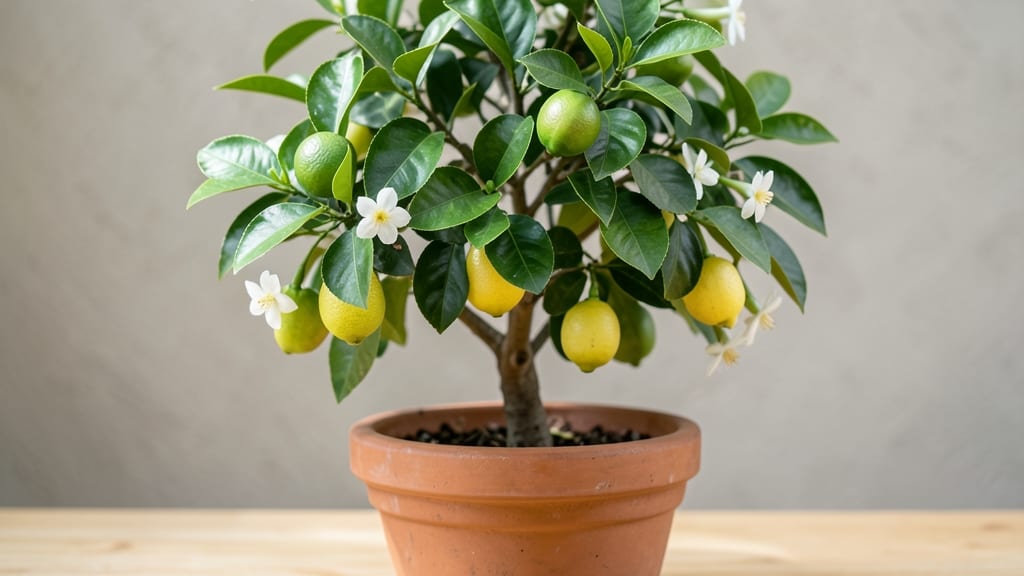
Mastering lemon plant indoor care starts with one critical secret: bright, direct light—the kind that turns pale leaves into glossy, sun-kissed foliage and coaxes sweet citrus blooms. 🌿 I’ve watched my own lemon tree go from a sad, leggy sapling to a fruit-bearing beauty just by mastering this one factor.
The rest—watering, soil, and even humidity—builds on that foundation. You’ll need a sunny window (south-facing is ideal) or a grow light for 6-8 hours daily, well-draining potting mix, and a pot with drainage holes.
Overwatering is the #1 killer—let the top inch of soil dry out between waterings, and never let it sit in soggy soil. A pebble tray under the pot adds humidity without fuss, mimicking the Mediterranean climate lemons love.
By summer, your plant might surprise you with fragrant white flowers—and eventually, tiny green lemons. The first harvest is the sweetest reward, but even before fruit appears, the aromatic leaves make a fresh garnish for drinks or dishes.
Prune leggy stems in early spring to encourage bushier growth, and fertilize lightly every 2 months with citrus-specific food. This isn’t just about survival; it’s about year-round citrus joy—bright yellow fruit, fragrant blooms, and the satisfaction of growing something edible indoors.
Even if you’ve killed plants before, lemons are forgiving once you nail the light. Let’s get your tree thriving!
📚 In This Guide
- What you need
- Instructions
- Tips and common mistakes
- Wrapping up and next steps
What you need
- ● Lemon plant (Citrus × limon) – Choose a healthy, disease-free plant (dwarf varieties like 'Meyer' are ideal for indoors).
- ● Pot with drainage holes – A 10-12" diameter container (terracotta or ceramic works best).
- ● Well-draining potting mix – A blend of 50% cactus/succulent mix and 50% organic compost (or a citrus-specific mix).
- ● Perlite or pumice – 1-2 cups to improve drainage and aeration.
- ● Watering can with a narrow spout – For precise hydration.
- ● Fertilizer – A balanced citrus fertilizer (10-10-10 or 6-6-6) or organic options like fish emulsion.
- ● Bright, indirect light source – A south- or west-facing window (or a grow light for 12-14 hours/day if natural light is limited).
- ● Humidity tray or pebble tray – To maintain 40-60% humidity (lemon plants love moisture!).
- ● Pruning shears – Sharp, clean shears for trimming dead or overgrown branches.
- ● Self-watering pot – Reduces the risk of over/under-watering.
- ● Citrus micronutrients – A spray or soil additive to prevent deficiencies (like iron or zinc).
- ● Support stake or trellis – For heavier branches or training growth.
- ● Thermometer/hygrometer – To monitor ideal temps (60-75°F) and humidity.
- ● Decorative pot or cache pot – For a stylish outer layer (ensure the inner pot still drains!).
Indoor lemon tree care: step-by-step light and growth guide
Here's how to keep your lemon tree thriving indoors with the right light, water, and care routine.
☀️ Step 1: Position for Maximum Bright Light
Place your lemon tree within 3-6 feet of a south-facing window where it receives 6-8 hours of direct sunlight daily. If natural light is insufficient, supplement with a full-spectrum LED grow light positioned 6-12 inches above the plant for 12-14 hours per day. You'll notice leaves turning pale or stretching toward light—this means it needs more intensity.
Rotate the pot quarter-turn weekly to prevent uneven growth toward the light source. A well-lit lemon tree develops deep green, glossy leaves and compact growth habit. If leaves yellow or drop, it's a sign of insufficient light or overwatering.
💧 Step 2: Master the Watering Balance
Water your lemon tree when the top 1-2 inches of soil feel dry to the touch, typically every 7-10 days depending on humidity and temperature. Overwatering causes root rot—a silent killer that turns leaves yellow and mushy. Stick your finger in the soil; if it's damp below 1 inch, wait another day.
Use room-temperature water to avoid shocking the roots. Empty the saucer after 15 minutes to prevent soggy soil. In winter, when growth slows, reduce watering to every 10-14 days. Watch for drooping leaves—this is a cry for water, but check the soil first to avoid overcorrecting.
✂️ Step 3: Prune for Shape and Health
Prune your lemon tree in early spring before new growth begins. Remove dead, yellow, or crossing branches with clean, sharp pruners to encourage airflow and fruit production. Cut just above a leaf node at a 45-degree angle to promote healing. You'll see new shoots emerge within 2-3 weeks—these are your plant's way of rewarding good care.
Shape the tree by trimming leggy growth back to a stronger branch. Never remove more than one-third of the foliage at once. After pruning, apply a balanced citrus fertilizer (10-10-10) to support new growth. Pruned branches make excellent propagation cuttings—just dip in rooting hormone and place in moist soil.
🪴 Step 4: Repot and Refresh Soil Annually
Repot your lemon tree every 2-3 years or when roots circle the pot. Choose a container 2-4 inches larger in diameter with drainage holes. Fill the bottom with orchid bark or perlite for improved aeration, then add well-draining citrus potting mix. Gently remove the plant, loosen roots, and place it in the new pot.
After repotting, water lightly and place in bright, indirect light for 2 weeks to reduce stress. Refresh the top 2 inches of soil annually with fresh mix to replenish nutrients. A healthy root system shows white, fibrous roots at the pot edges—if you see brown or mushy roots, flush the soil with water to cleanse it.
🍋 Step 5: Encourage Flowering and Fruit
Lemon trees need cool nights (55-60°F) and warm days (70-80°F) to flower. Place the tree near a cool window at night or use a small fan to simulate breeze. Apply citrus-specific fertilizer every 4-6 weeks in spring and summer, reducing to monthly in fall. You'll spot white, fragrant flowers in 4-6 months—these develop into fruit over 6-12 months.
Thin fruit to 3-5 per branch to avoid overburdening the tree. Remove smaller or damaged fruit first. Mature lemons turn bright yellow and feel slightly soft when ripe. Harvest by twisting gently—if the stem resists, wait another week. Store ripe lemons at room temperature for up to 2 weeks or refrigerate for longer shelf life.
Tips & tricks for perfect indoor lemon tree growth
These simple tweaks will help you transform your lemon tree from a struggling houseplant into a thriving citrus producer.
Light Intensity Matters: If your south-facing window doesn't provide enough light, consider rotating rooms to find the brightest spot. I've seen lemon trees thrive near skylights or even in sunrooms with 6-8 hours of direct sunlight. For winter months when daylight is shorter, supplement with a full-spectrum LED grow light positioned 6-12 inches above for 12-14 hours daily. The key is consistency—lemon trees notice when light conditions change, so avoid moving them frequently.
Soil Moisture Secret: The 1-2 inch dry soil test is your best friend, but don't rely solely on a schedule. I've learned the hard way that winter watering needs drop dramatically—sometimes to every 10-14 days—when the tree's growth slows. Always check the soil depth before watering, and remember to empty that saucer after 15 minutes to prevent root suffocation. A moisture meter can be a game-changer for beginners.
Pruning Technique: When shaping your tree in Step 3, focus on creating an open center that allows light penetration to lower branches. I cut at a 45-degree angle just above leaf nodes to prevent water from pooling on cuts, which can cause rot. After pruning, give your tree a light misting to reduce stress—this mimics natural dew and helps recovery. The new shoots that emerge within 2-3 weeks are your reward for proper technique.
Temperature Balance: Lemon trees need that 55-60°F nighttime temperature to trigger flowering, but don't panic if you can't achieve this perfectly. A simple trick is to move your tree near a cool window at night or use a small fan on low setting to simulate a breeze. During the day, maintain 70-80°F—this warmth helps fruit development. I've found that placing trees near exterior doors (when closed) can create this natural temperature swing without extra equipment.
Pro Tips for Lemon Plant Indoor Care
- These simple tweaks will help you transform your lemon tree from a struggling houseplant into a thriving citrus producer.
- Light Intensity Matters: If your south-facing window doesn't provide enough light, consider rotating rooms to find the brightest spot.
- Soil Moisture Secret: The 1-2 inch dry soil test is your best friend, but don't rely solely on a schedule.
Frequently asked questions
Got questions about keeping your lemon plant thriving indoors? You’re not alone!
Here are answers to the most common concerns—from sunlight struggles to pest panics—so you can enjoy fresh citrus vibes year-round.
How much light does an indoor lemon plant really need?
A lemon plant craves 6–8 hours of direct sunlight daily. If your space lacks natural light, supplement with a grow light (LED or fluorescent) 12–16 inches away for 12–14 hours/day. South- or west-facing windows are ideal, but avoid harsh afternoon sun to prevent leaf scorch.
Why are my lemon plant’s leaves turning yellow?
Yellow leaves usually signal overwatering or nutrient deficiency. Check soil moisture—it should dry 1–2 inches deep between waterings. Also, flush the pot with water to remove salt buildup. For a boost, fertilize with a citrus-specific formula every 2–3 months.
Can I keep my lemon plant indoors in winter?
Lemon plants thrive indoors year-round, but reduce watering in winter (when growth slows) and keep temps above 55°F (13°C). Avoid cold drafts near windows or doors. If buds form, they’ll need bright light and warmth to fruit—consider a grow light if natural light fades.
How do I get rid of pests like spider mites or aphids?
Start with a neem oil spray (mix 1 tsp neem oil + 1 tsp mild soap in 1 quart water) and spray both sides of leaves. Isolate the plant to prevent spread. For severe infestations, wipe leaves with rubbing alcohol (70%+) on a cotton swab. Repeat every 5–7 days until pests vanish.
Will my indoor lemon plant ever produce fruit?
Yes! With consistent care—bright light, proper watering, and occasional fertilization—your lemon plant can bloom and fruit in 2–5 years. However, indoor fruit may be smaller or less sweet than outdoor-grown lemons. Pollinate flowers gently with a small brush to encourage fruiting.
What’s the best soil mix for an indoor lemon plant?
Use a well-draining potting mix like a blend of cactus/succulent soil (50%) + perlite (30%) + compost (20%). Avoid heavy garden soil, which causes root rot. Repot every 2–3 years or when roots circle the pot. A slightly acidic pH (6.0–7.0) keeps roots happy!
Wrapping up and next steps
Growing a thriving lemon plant indoors is totally within reach—just follow the bright light secrets and care tips we’ve shared! With the right location, soil, and watering routine, you’ll enjoy fresh citrus aromas and even homegrown lemons year-round. 🌿✨
Now that you’re armed with the know-how, take the next step: start with a sunny windowsill or grow light setup, and watch your plant flourish. Happy planting—and may your indoor garden be as vibrant as your enthusiasm!