
Trees
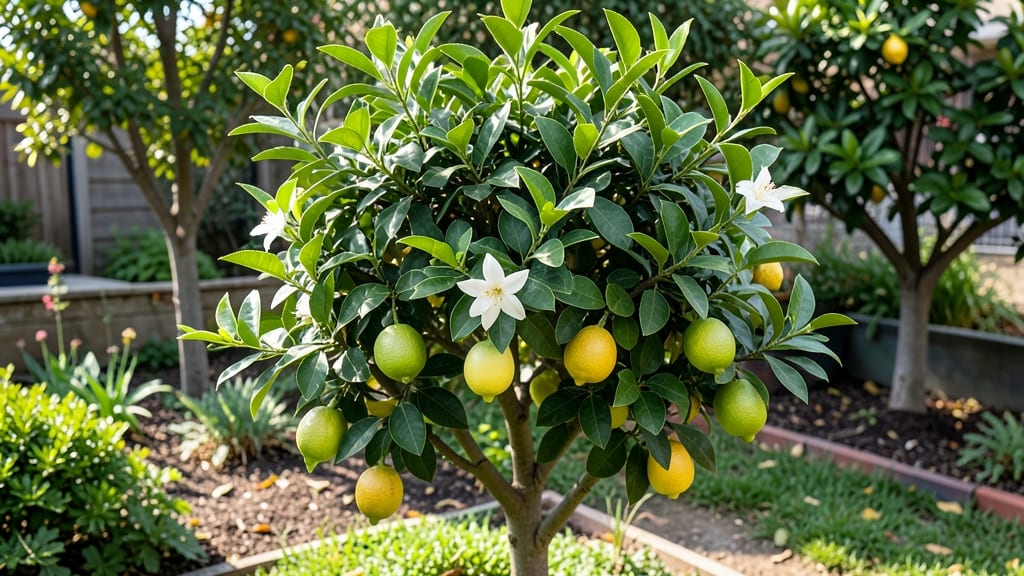
Indoor lemon trees 🍋 can grow anywhere from 4 to 12 feet tall, depending on the variety, care, and how much space you’re willing to give them.
Dreaming of fresh lemons from your windowsill but worried about space? Indoor lemon trees can thrive—if you choose the right variety and care for them properly. But how tall do they grow, and which types stay small enough for apartments?
Some varieties, like the Meyer lemon, top out around 6 feet with proper pruning, while others can reach 12 feet if left unchecked. The key is understanding how pot size, sunlight, and pruning habits influence growth.
In this guide, I’ll break down the height ranges of popular indoor varieties, how to control their size, and the space-saving tricks that keep your tree manageable—no matter how small your home is.


Indoor lemon tree height by variety: compact options for small spaces
Choosing the right lemon tree variety is the first step to keeping your indoor citrus tree manageable. While some varieties can reach 8-12 feet outdoors, indoor conditions naturally restrict their growth—especially when using dwarf or semi-dwarf varieties.
The key is selecting a type that thrives in containers and doesn’t outgrow your space. For apartments or small homes, Meyer lemons and their improved hybrids are my top recommendations.
Most indoor lemon trees stay between 4-6 feet tall with proper care, but growth depends on variety selection, pruning habits, and pot size restrictions. Without intervention, even dwarf varieties can stretch toward 7-8 feet if given unlimited vertical space.
That’s why I always start by matching the tree to the available height in my home before planting.
Here’s how the most popular indoor varieties compare in terms of mature height, growth habits, and space requirements:
The Meyer lemon and its Improved Meyer cousin are my go-to choices for indoor growing because they naturally stay compact while still producing sweet, juicy fruit.
Their moderate growth rate makes them easier to manage than faster-growing varieties like Eureka lemons, which can quickly outpace small spaces if not pruned aggressively.
Pot size plays a huge role in controlling height. A 15–20 gallon container is ideal for dwarf varieties, while Improved Meyer trees can handle up to 25 gallons without becoming top-heavy.
I always use pots with drainage holes and upgrade sizes by 2–3 inches in diameter every 2–3 years to prevent root-bound stress, which can stunt growth or cause leggy stems.
Sunlight exposure directly impacts how tall your lemon tree grows. Without 6+ hours of direct light daily, stems will stretch toward windows, creating a leggy, weak structure. My solution?
Place trees near south-facing windows or supplement with LED grow lights (12–14 hours/day) during winter. This keeps growth balanced and bushy, reducing the need for drastic pruning later.
Pruning isn’t just about height control—it’s also about encouraging fruit production. I prune my indoor lemon trees in late winter or early spring to remove overcrowded branches and shape the canopy.
For Meyer lemons, I focus on keeping the tree wider than tall by cutting back vertical shoots and pinching new growth tips. This creates a fuller, more productive tree that stays under 5 feet even after years of growth.
If you’re working with limited vertical space, consider espalier training—a technique where you train branches to grow flat against a wall or trellis. This method can keep even standard varieties under 6 feet tall while maximizing fruit yield.
I’ve used this with Improved Meyer trees in my sunroom, and it’s been a game-changer for small-space gardening.
Remember, dwarf varieties aren’t just about height—they also produce fruit 1–2 years earlier than standard trees. That means you can enjoy homegrown lemons in pots as small as 10 gallons if you choose the right variety. For the best results, pair your compact lemon tree with well-draining
How to control lemon tree height indoors: pruning, training, and pot size tips
Indoor lemon trees can grow surprisingly tall—sometimes reaching 8 feet or more if left unchecked. But with the right techniques, you can easily keep them under 6 feet while still enjoying sweet lemons.
The key? A mix of pruning, pot size control, and training methods like espalier. Let’s break down how to manage your tree’s height without sacrificing fruit production.
First, understand that lemon trees grow fastest in spring and summer when they’re actively flowering and fruiting. If you notice leggy stems or rapid vertical growth, it’s time to intervene. The good news?
Even standard varieties like Meyer lemons can be pruned back to stay compact. Just remember: prune at the right time and in the right way to encourage bushier, more manageable growth.
Step-by-step guide to controlling lemon tree height:
- Step 1: Prune in late winter or early spring – Remove 1/3 of the tallest branches just above a leaf node or bud. This encourages bushier growth and prevents lanky stems.
- Step 2: Use a smaller pot (12-18 inches max diameter) – Root-bound trees grow slower. Repot only when roots circle the pot’s bottom.
- Step 3: Train with espalier or stake methods – Guide branches horizontally along a trellis or wall to limit vertical growth.
- Step 4: Pinch back new growth in summer – Trim tender new shoots to redirect energy into fruit production instead of height.
- Step 5: Avoid over-fertilizing – Too much nitrogen = rapid vertical growth. Use a balanced fertilizer (6-6-6) sparingly.
Another common mistake? Pruning at the wrong time. If you cut back heavily in fall or winter, your tree may struggle to recover before spring growth. Always prune just before the active growing season to give your lemon tree time to heal and branch out.
For extra control, consider topping your tree—cutting the main stem just above a strong branch to force a wider shape.
Pot size matters too. A 12-inch pot is ideal for dwarf varieties, while standard lemons may need 18 inches to stay manageable. If your tree outgrows its container, roots will circle and strangle themselves, leading to stunted growth or death.
Always use pots with drainage holes to prevent root rot, which weakens the tree and encourages leggy growth.
Finally, don’t forget about light exposure. Lemon trees grown in low-light conditions stretch toward sunlight, becoming tall and weak. Place your tree near a south-facing window or supplement with grow lights (12-14 hours/day).
If you notice your tree leaning or growing unevenly, rotate the pot quarter-turns every few weeks for balanced growth.
With these techniques, you can keep your indoor lemon tree at a manageable height while still enjoying a bountiful harvest. Start with pruning and pot size, then refine with training methods. Your windowsill—and your neighbors—will thank you! 🪴