
Shrubs
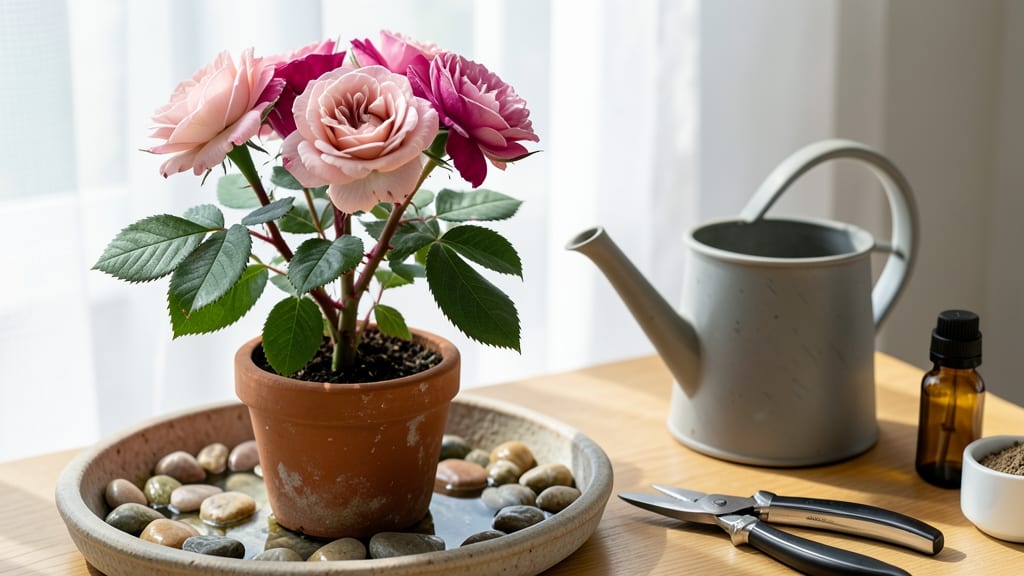
Indoor rose care thrives when you mimic their outdoor roots—bright light, crisp air, and precise pruning. ✂️ My first indoor rose lasted three months before wilting, but after mastering these basics, mine now blooms year-round with minimal fuss. The secret lies in understanding what roses actually need indoors, not just what looks pretty.
You’ll need a sunny window (or grow light), well-draining soil, and a sharp pair of pruners—no fancy tools required. Watering is the trickiest part: roses hate soggy roots but also can’t handle bone-dry soil.
I’ve perfected a simple routine that keeps my roses hydrated without drowning them, and the pruning schedule ensures blooms instead of leggy stems.
By the end of this, you’ll have roses pushing out fresh buds every 6-8 weeks, with glossy green leaves and fragrant blooms that last longer than store-bought ones. The key is timing—prune at the right moment, and your rose will reward you with nonstop color.
Works for any variety, from miniature roses to climbers, and adapts easily to different home setups. Let’s get your indoor rose blooming like a pro—no green thumb required.
📚 In This Guide
- What you need
- Instructions
- Tips and common mistakes
- Wrapping up and next steps
What you need
- ● Indoor rose plant: Choose a healthy, disease-free rose bush (varieties like Knock Out® or David Austin English Roses work well indoors).
- ● Well-draining potting soil: 2–3 gallons (for a 12-inch pot) of a mix designed for roses or flowering plants (e.g., Miracle-Gro® Potting Mix with perlite or sand).
- ● Pot with drainage holes: A container at least 12–15 inches in diameter (terracotta or ceramic preferred for breathability).
- ● Pruning shears: Sharp, clean bypass pruners (sterilize with rubbing alcohol between cuts).
- ● Watering can or spray bottle: For gentle, even hydration (avoid overhead watering to prevent mildew).
- ● Balanced fertilizer: A water-soluble rose fertilizer (e.g., Miracle-Gro® Rose Food) or organic options like fish emulsion or compost tea.
- ○ Grow lights (optional but helpful): Full-spectrum LED grow lights (12–16 hours/day) if natural light is limited.
- ● Humidity tray or pebble tray: To maintain 40–60% humidity (fill with water and pebbles, place pot on top).
- ● Rose-specific soil amendments: Add 1–2 cups of perlite or sand to improve drainage.
- ● Epsom salt: 1 tablespoon dissolved in water monthly for magnesium boosts.
- ● Mulch: Organic mulch (like bark chips) to retain moisture and regulate temperature.
- ● Insecticidal soap or neem oil: For natural pest control (aphids, spider mites love roses too!).
- ● Support stake or trellis: For climbing varieties (e.g., Climbing Tea Roses).
Step-by-step instructions for indoor rose care
Here's how I keep my indoor roses blooming all year—just follow these simple steps.
🌱 Step 1: Choose the Right Light for Your Rose
Indoor roses need 6-8 hours of bright, direct sunlight daily—more than most houseplants. Place them near a south- or west-facing window where they’ll get the most light. If natural light is limited, supplement with a grow light placed 12-18 inches away for 14-16 hours a day. You’ll know your rose is getting enough light when new leaves are deep green and compact—not pale or stretched out.
Rotate the pot a quarter turn weekly so the plant grows evenly toward the light. I notice my roses start leaning toward the window if I forget this step—it’s a clear sign they’re reaching for more sun.
💧 Step 2: Water Deeply and Consistently
Water your indoor rose when the top 1-2 inches of soil feel dry to the touch. Stick your finger in the soil—if it’s dry at that depth, it’s time to water. Pour water slowly until it drains freely from the bottom of the pot. Empty the saucer 15 minutes later to prevent root rot—soggy roots are the #1 killer of indoor roses.
Use room-temperature water (cold water shocks the roots). I’ve found that watering in the morning gives the plant time to absorb moisture before evening, which helps prevent fungal issues. Avoid misting the leaves—this can lead to mildew. Instead, wipe them gently with a damp cloth if they look dusty.
✂️ Step 3: Prune for Health and More Blooms
Pruning isn’t just for shaping—it’s how you encourage longer blooming seasons. Use clean, sharp pruners to cut back 1/3 of the plant’s height in early spring. Remove dead, diseased, or crossing branches first, then trim back to a bud or leaf node (the small bump where leaves grow). This ensures new growth starts from a strong point.
After pruning, fertilize with a balanced rose fertilizer (like 10-10-10) to support new growth. You’ll see fresh, vibrant leaves within 2-3 weeks—that’s your sign the plant is recovering well. If you skip pruning, your rose will focus energy on fewer blooms and may become leggy.
☀️ Step 4: Feed and Refresh for Continuous Blooms
Feed your indoor rose every 4-6 weeks during the growing season (spring and summer) with a rose-specific fertilizer. I switch to a low-nitrogen, high-phosphorus formula (like 5-10-5) when buds form to encourage more blooms. Always water the plant before fertilizing—this prevents root burn.
Every 2-3 months, repot your rose into a container 1-2 inches larger if roots are circling the pot. Refresh the top 2 inches of soil with fresh potting mix to replenish nutrients. You’ll notice the plant perks up after repotting—it’s like giving it a fresh start. Avoid over-potting, though; roses prefer being slightly root-bound.
⏰ Step 5: Adjust Care for Winter Dormancy
When temperatures drop below 60°F, your indoor rose will slow down. Reduce watering to every 7-10 days (let the soil dry out more between waterings) and stop fertilizing until spring. Move the plant away from cold drafts or heat sources—consistent temperatures are key. You’ll see fewer blooms in winter, but the plant stores energy for next year’s growth.
Prune lightly in late winter (just remove dead or weak stems) to shape the plant for spring. Increase light exposure gradually as days lengthen—this signals the rose to wake up and start blooming again. Patience here pays off with longer, more abundant blooms in spring and summer.
Tips & tricks for perfect indoor rose care
Keeping indoor roses thriving takes a few key adjustments—here's what I've learned after years of growing them indoors.
Lighting Strategy: If your windows face north, you'll definitely need a grow light. I use a full-spectrum LED grow light on a timer for those 14-16 hours daily—this mimics natural daylight cycles. Place it 12-18 inches away and adjust height as your rose grows. Watch for leaves stretching toward light (called etiolation)—this means it needs more intensity or closer positioning.
Pruning Precision: When cutting back 1/3 of the plant's height in Step 3, always make cuts at a 45-degree angle just above a bud or leaf node. This encourages outward growth rather than leggy stems. I sterilize my pruners with rubbing alcohol between cuts to prevent disease spread. After pruning, give your rose a good drink—this helps it recover faster.
Winter Care: The 60°F threshold isn't just about temperature—it's about consistency. I move my roses away from heating vents in winter, but keep them near a bright window. The key is avoiding temperature swings. You'll notice buds forming more reliably when you maintain this steady environment. A simple thermometer near the plant helps track this.
Soil Refresh: When refreshing the top 2 inches of soil every 2-3 months, I mix in a handful of compost or worm castings. This gives your rose a nutrient boost without disturbing the roots. The old soil at the bottom remains rich with beneficial microbes—don't remove it all during repotting.
Pro Tips for Indoor Rose Care
- Keeping indoor roses thriving takes a few key adjustments—here's what I've learned after years of growing them indoors.
- Lighting Strategy: If your windows face north, you'll definitely need a grow light.
- Pruning Precision: When cutting back 1/3 of the plant's height in Step 3, always make cuts at a 45-degree angle just above a bud or leaf node.
Frequently asked questions
Got questions about keeping your indoor roses thriving? Here are some of the most common concerns—and their solutions!
How often should I prune my indoor rose?
Prune your indoor rose every 3–4 months to encourage new growth and blooms. Light trimming between major prunes (removing dead or yellowing leaves) keeps them healthy year-round. Avoid over-pruning—never cut more than one-third of the plant at once.
Can I grow roses indoors without natural sunlight?
Yes! Use a grow light (12–16 hours/day) if natural light is limited. Place the plant near a south-facing window for 6+ hours of sunlight daily. Without light, roses may grow leggy or stop blooming—supplement with artificial light to keep them thriving.
Why are my rose leaves turning yellow?
Yellow leaves often signal overwatering or nutrient deficiency. Check soil moisture—roses prefer slightly dry soil between waterings. Feed with a balanced rose fertilizer every 4–6 weeks. If yellowing persists, test for pests like spider mites or fungal issues.
What’s the best time of year to prune indoor roses?
Prune indoor roses after blooming (late spring/early summer) and again in early spring to shape the plant. Avoid heavy pruning in fall/winter, as roses need energy to recover. Light maintenance trims (deadheading, shaping) can happen anytime.
How do I revive a drooping indoor rose?
Drooping often means underwatering or root stress. Water deeply until moisture drains from the bottom, then let excess water escape. Move the plant to indirect light and avoid drafts. If roots are mushy (rot), trim affected areas and repot in fresh, well-draining soil.
Wrapping up and next steps
Caring for indoor roses doesn’t have to be a challenge—with the right pruning precision and a little love, you’ll enjoy year-round blooms that brighten your space. Remember, consistency is key: trim wisely, water thoughtfully, and keep them happy with sunlight and fresh air. You’ve got this!
Ready to see your roses thrive? Grab those shears and start pruning today! 🌹✨ Your next step? Bookmark this guide and check back for seasonal tips to keep your roses flourishing all year.