
Shrubs
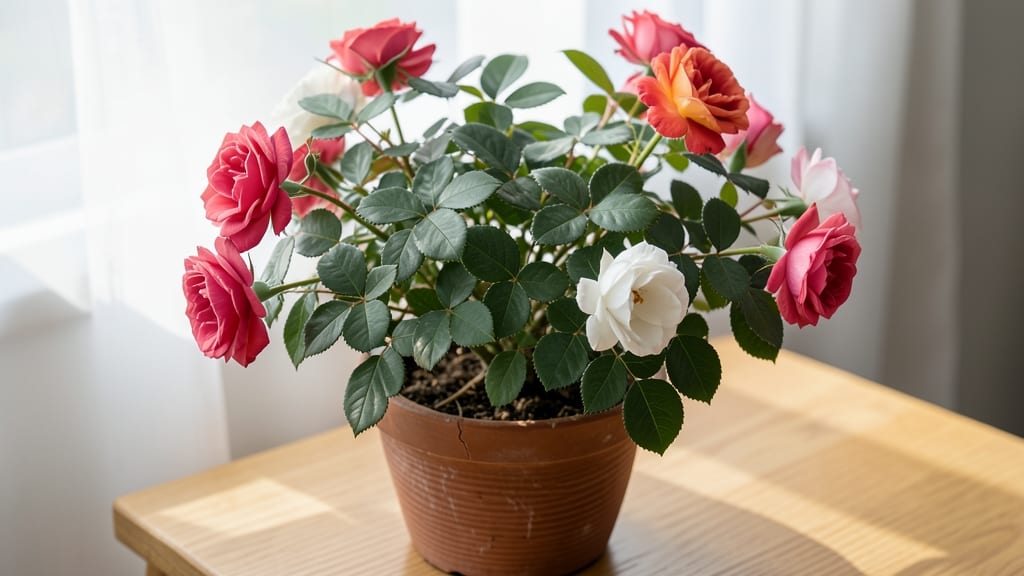
Caring for indoor rose bushes year-round means blooms that last instead of sad, leggy stems. 🌹 I’ve nursed my own indoor roses from bare branches to lush, flowering shrubs by mastering just three techniques—light, water, and airflow—that most gardeners overlook.
The biggest mistake? Treating indoor roses like outdoor ones. They need bright, indirect light (think east-facing windows or grow lights) for 6+ hours daily, water only when the top inch of soil feels dry, and humidity—spraying leaves or using a pebble tray keeps them from wilting.
My roses now produce continuous blooms from spring through winter, and the secret is consistency.
Pruning isn’t just for shaping—it’s how you encourage new growth. Cut back spent blooms to just above a leaf with five leaflets, and trim leggy stems in early spring. With these tweaks, your indoor roses will look healthier than your neighbor’s outdoor bushes—no greenhouse required.
Even in dry winter air, these techniques work. The key is watching your plant’s cues: yellow leaves mean overwatering, brown buds mean too little light, and pests? A simple neem oil spray keeps them at bay. Let’s get those roses thriving indoors!
📚 In This Guide
- What you need
- Instructions
- Tips and common mistakes
- Wrapping up and next steps
What you need
- ● Indoor rose bush (variety): Choose a compact, dwarf variety like 'Fairy Rose' or 'Knock Out' roses for indoor spaces.
- ● Pot: A container with drainage holes (12–18 inches in diameter for mature bushes). Use terracotta or ceramic for breathability.
- ● High-quality potting mix: A well-draining blend, such as a 50/50 mix of peat moss and perlite or a commercial rose-specific soil.
- ● Drainage tray: To catch excess water and prevent root rot.
- ● Watering can with a narrow spout: For precise watering (avoid overhead spraying to prevent fungal diseases).
- ● Pruning shears: Sharp, clean shears (sterilize with rubbing alcohol between cuts).
- ● Fertilizer: A balanced, water-soluble fertilizer (10-10-10 or 20-20-20) or organic options like fish emulsion or compost tea.
- ○ Grow lights (optional but recommended): A full-spectrum LED grow light (12–16 hours/day) if natural light is insufficient.
- ● Humidity tray: A shallow tray filled with pebbles and water to boost humidity around the plant.
- ● Rose-specific food: Slow-release granules or liquid feeds designed for roses.
- ● Support stake or trellis: For climbing varieties to train and shape the bush.
- ● Soil moisture meter: To monitor root health without overwatering.
- ● Fungicide (preventative): Copper-based sprays for disease-prone environments.
Step-by-Step indoor rose bush care for year-round beauty
Here's how I keep my indoor roses blooming like they're in a greenhouse—no fancy equipment required.
🪴 Step 1: Select the Right Variety and Container
Not all roses thrive indoors. Choose miniature or dwarf varieties like 'Fairy' or 'Bonica'—they're bred for smaller spaces. A 12-15 inch pot with drainage holes is essential (I use glazed ceramic to prevent root rot). The container should be at least 2 inches wider than the root ball—crowding stresses plants and triggers leaf drop.
Fill the bottom 2 inches with gravelfine or perlite for drainage. Then add high-quality potting mix (never garden soil—it compacts and suffocates roots). I mix in a handful of slow-release fertilizer granules at planting to give my roses a nutrient head start. Press the soil lightly around the roots to eliminate air pockets, but don't compact it.
☀️ Step 2: Master Light and Temperature Balance
Indoor roses need 6-8 hours of direct sunlight daily—a south-facing window is ideal. If natural light is insufficient, supplement with full-spectrum LED grow lights for 14-16 hours daily. I position the light 12-18 inches above the plant and raise it weekly as the bush grows. Watch for stretched stems or pale leaves—this means your light is too far away.
Maintain 60-70°F daytime temperatures and 55-60°F nights. Avoid cold drafts from windows or vents—roses are tropical and wilt at below 50°F. Grouping plants together creates a microclimate that retains warmth. If you notice buds dropping before opening, your space is too cool or too dry.
💧 Step 3: Water with Precision and Feed Regularly
Water when the top 1-2 inches of soil feel dry—stick your finger in to check. I use room-temperature water (cold water shocks roots) and water deeply until it drains from the bottom. Empty the saucer after 10 minutes to prevent root rot. Overwatering is the #1 killer of indoor roses—yellow leaves and mushy stems are your warning signs.
Feed every 4-6 weeks with balanced liquid fertilizer (10-10-10 or 20-20-20). I dilute it to half-strength to avoid burning tender roots. When buds form, switch to a high-phosphorus formula (like 10-30-20) to encourage blooming. Brown leaf tips usually mean fertilizer burn—rinse the soil immediately and reduce frequency.
✂️ Step 4: Prune for Shape and Continuous Blooms
Prune right after blooming to encourage new growth. Cut back one-third of the oldest stems to the nearest outward-facing bud. This opens the center for airflow and light penetration. Always use clean, sharp pruners (I dip them in rubbing alcohol between cuts) to prevent disease. Never leave stubs—cut at a 45-degree angle just above a leaf node.
Remove dead, diseased, or crossing branches first. Then shape the bush by trimming long, leggy stems to maintain your desired height. Pinch back new growth in early spring to promote bushier growth. If you see blackened canes, prune those out immediately—they're infected and will spread.
🌱 Step 5: Monitor and Adjust Seasonally
In winter, reduce watering by 30%—roses go semi-dormant in low light. I move mine to a bright room and increase grow light hours to 12 daily. Watch for pests like spider mites (tiny webs on undersides of leaves) and treat immediately with neem oil. Yellowing leaves in winter often mean overwatering—let the soil dry more between waterings.
Every 2-3 years, repot into a slightly larger container (just 2-3 inches wider) with fresh potting mix. This refreshes nutrients and prevents root-bound stress. Divide congested bushes in early spring by separating canes and repotting—just be gentle with the roots. New growth at the base means your rose is happy with the fresh space.
Tips & tricks for perfect indoor rose bush care
Keeping roses thriving indoors takes a few strategic moves—here's how I've perfected the process after years of trial and error.
Light Strategy: The 6-8 hours of direct sunlight in Step 2 is non-negotiable, but I've found that rotating your plant quarter-turn weekly prevents uneven growth toward the light source. For grow lights (14-16 hours daily), use a timer to automate the schedule—consistency matters more than you'd think. If you notice leaves stretching toward the light, it's too far away; bring it closer to 12 inches temporarily.
Temperature Troubleshooting: Maintaining that 60-70°F range during the day can be tricky with AC units. I place my roses on a heat mat set to 65°F during winter months when indoor temps drop below 60°F. Watch for buds dropping before opening—that's your first sign the space is too cool. A simple thermometer near your plant helps monitor conditions without guesswork.
Watering Wisdom: The 1-2 inch soil check in Step 3 is crucial, but I've learned to adjust for seasonal changes. In winter, let the soil dry to 2 inches deep before watering—the reduced light means less evaporation. Always water deeply until it drains completely, then empty that saucer after 10 minutes to prevent root rot. I've ruined two roses by ignoring this simple step!
Pruning Precision: When pruning in Step 4, I mark the stems I'll remove with a pencil first—it helps visualize the final shape. For the 45-degree angle cuts, use a ruler as a guide to maintain consistency. And here's what nobody tells you: Save your pruned stems in water—they'll often root and become new plants!
Pro Tips for Indoor Rose Bush Care
- Keeping roses thriving indoors takes a few strategic moves—here's how I've perfected the process after years of trial...
- Light Strategy: The 6-8 hours of direct sunlight in Step 2 is non-negotiable, but I've found that rotating your plant...
- Temperature Troubleshooting: Maintaining that 60-70°F range during the day can be tricky with AC units. I place my ro...
Frequently asked questions
Got questions about keeping your indoor rose bush happy?
Here are answers to the most common concerns—from pruning to pests and everything in between.
How often should I water my indoor rose bush?
Water your rose bush when the top 1-2 inches of soil feel dry. Overwatering is a common mistake—aim for consistent moisture, not soggy roots. In winter, reduce watering slightly since growth slows. A well-draining pot with drainage holes is a must!
When is the best time to prune my indoor rose bush?
Prune in early spring (just before new growth starts) to shape the bush and encourage blooms. Remove dead, diseased, or crossing branches first. For indoor roses, avoid heavy pruning in fall/winter—it stresses the plant. Use clean, sharp shears and sterilize them with rubbing alcohol.
What should I do if my rose bush gets pests like aphids or spider mites?
Start with a gentle neem oil spray (1 tsp per quart of water) or insecticidal soap. Isolate the plant to prevent spreading. For stubborn infestations, wipe leaves with a damp cloth and repeat treatments every 5-7 days. Keep humidity moderate—pests love dry, dusty environments!
How much light does an indoor rose bush really need?
Indoor roses thrive on 6+ hours of bright, indirect light daily. South- or west-facing windows are ideal. If natural light is lacking, supplement with a grow light 12-14 hours/day. Yellowing leaves? It’s likely a light deficiency—move closer to the window or upgrade your lighting.
Can I grow roses indoors year-round, or do they need a "rest" period?
Yes! With proper care, indoor roses can bloom year-round. However, they do benefit from a short "rest" in late fall/winter—reduce watering, fertilize lightly, and keep temps around 50–60°F (10–15°C) to mimic dormancy. This boosts spring blooms. No rest needed? Just maintain consistent care!
Wrapping up and next steps
Caring for an indoor rose bush is all about patience, consistency, and a little love—and with the right techniques, you’ll be rewarded with stunning blooms year-round! 🌹 Remember, the trio of proper lighting, balanced watering, and seasonal adjustments will keep your rose thriving, even indoors.
Don’t let challenges like pests or dormancy discourage you; treat them as opportunities to deepen your green thumb.
Ready to take the next step? Start small: pick one technique to master this week—whether it’s adjusting your watering schedule or troubleshooting yellow leaves. Before you know it, your indoor rose will be the showstopper of your home! 🌟