
Planting
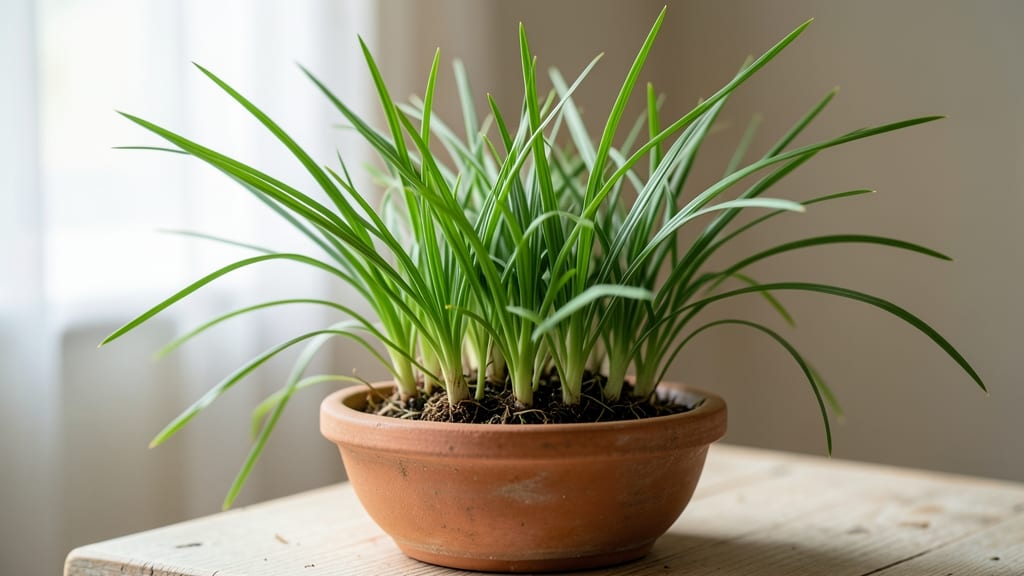
Growing an indoor lemongrass plant means fresh, zesty flavor without the outdoor space. 🌿 I've kept this fragrant herb thriving in my kitchen for years—even with just a sunny window and a few simple supplies. The key is mimicking its tropical roots with bright light, consistent moisture, and warm air.
You'll need a 6-8 inch pot with drainage, well-draining potting mix, and a way to boost humidity since lemongrass hates dry air. Place it near a south-facing window or under a grow light for 6-8 hours daily.
Water when the top inch feels dry, and avoid letting it sit in soggy soil.
Within 3-4 months, you'll have a sturdy plant ready for harvesting. Snip the outer stalks first, leaving the inner ones to keep growing. The more you harvest, the bushier it gets—my plant now produces enough for three batches of homemade tea every week.
Even in winter, this plant stays productive if you adjust for lower light and dry indoor air. The secret is regular pruning and occasional misting. Soon you'll have your own fragrant harvest, no greenhouse required!
📚 In This Guide
- What you need
- Instructions
- Tips and common mistakes
- Wrapping up and next steps
What you need
- ● Lemongrass plant: 1 healthy stalk (preferably 12–18 inches tall) or a nursery-grown pot (3–6 inches in diameter). Look for firm stems and vibrant green leaves!
- ● Container: A pot with drainage holes (6–8 inches in diameter) and a saucer. Pro tip: Terracotta or ceramic works best to prevent root rot! 💡
- ● Well-draining potting mix: 2–3 gallons of a blend designed for tropical plants or herbs (e.g., 60% peat moss, 30% perlite, 10% compost). Avoid heavy garden soil!
- ● Watering can or spray bottle: With a fine rose nozzle for gentle hydration.
- ○ Fertilizer (optional but helpful): Balanced liquid fertilizer (10-10-10 or 20-20-20), diluted to half-strength.
- ● OR organic options like fish emulsion or worm castings.
- ● Pruning shears: Sharp, clean pair for trimming stems (sterilize with rubbing alcohol!).
- ● Grow lights (if low-light): A full-spectrum LED bulb (12–16 hours/day) or a simple fluorescent fixture.
- ● Humidity tray or pebble tray: To mimic tropical moisture (fill with water + pebbles).
- ○ Mulch or moss (optional): 1–2 inches of sphagnum moss to retain moisture.
- ● Plant labels: To track watering dates and growth stages!
Step-by-step instructions for growing lemongrass indoors
Here's how to grow fragrant, healthy lemongrass in containers with minimal sunlight.
🌱 Step 1: Select and Prepare Your Lemongrass Starter
Start with a healthy 3-4 inch lemongrass stalk from a grocery store or nursery. Look for firm, green stalks with white roots already forming at the base—these will establish fastest. Remove any wilted outer leaves and trim the stalk to about 2 inches above the root base to encourage new growth.
Place the stalk in a glass of room-temperature water, making sure the roots are fully submerged but the trimmed top stays above water. Change the water every 2-3 days to prevent bacterial growth. You'll see new shoots emerging from the base within 7-14 days—this is your signal that rooting has begun.
🪴 Step 2: Choose and Prepare the Container
Use a 6-8 inch diameter pot with drainage holes to prevent root rot. Fill the bottom 2 inches with a well-draining potting mix (avoid garden soil—it compacts too easily). Lemongrass prefers slightly acidic soil, so mix in a handful of perlite or coarse sand to improve aeration.
Once your lemongrass roots reach about 1-2 inches long in water, gently remove it and place it in the prepared pot. Position the base so the roots spread naturally into the soil. Press lightly around the base to secure the plant without compacting the mix. Water gently until moisture seeps from the drainage holes.
☀️ Step 3: Position for Optimal Light
Lemongrass thrives with bright, indirect light—think 3-4 feet from a south-facing window. If your space is dim, supplement with a grow light placed 6-12 inches above the plant for 12-14 hours daily. You'll notice leaves growing toward the light? That's a sign to rotate the pot quarter-turn weekly for even growth.
Direct sunlight can scorch leaves, so avoid placing the plant near hot windows. Instead, opt for a spot where leaves stay light green to medium green—dark brown patches mean too much sun, while pale yellow indicates insufficient light. Mist the leaves 2-3 times weekly to maintain humidity, especially in dry indoor air.
💧 Step 4: Water and Fertilize for Growth
Water when the top inch of soil feels dry—typically every 5-7 days, but adjust based on your home's humidity. Overwatering is the fastest way to kill lemongrass, so always check moisture before watering. Pour water slowly until it drains freely from the bottom, then empty the saucer to prevent soggy roots.
Feed with a balanced liquid fertilizer (10-10-10) every 4-6 weeks during spring and summer. Dilute to half-strength to avoid burning tender roots. You'll see new growth within 2-3 weeks of fertilizing—look for longer, straighter leaves emerging from the center. Trim older stalks back to 6 inches to encourage fresh, fragrant regrowth.
✂️ Step 5: Harvest and Maintain Your Plant
Harvest leaves when the stalks reach 12-18 inches tall, cutting just above a leaf node with clean scissors. Use the outer stalks first to avoid damaging the center growth. After harvesting, water deeply and place the pot in a bright, shaded spot for 24 hours to recover before returning to full light.
With proper care, your lemongrass will produce new shoots every 3-4 weeks. If the plant outgrows its pot, transplant to a 12-inch container in spring using fresh potting mix. Prune any yellow or brown leaves immediately—they drain energy and invite pests. Your indoor lemongrass will reward you with fragrant, fresh harvests year-round!
Tips & tricks for perfect indoor lemongrass growth
Here's what nobody tells you about keeping your lemongrass thriving indoors—these tricks make all the difference.
Rooting Secret: When starting in water, use a clear glass so you can monitor root growth. You'll see roots reach the 1-2 inch mark faster when you can track progress daily. Once roots are established, transplant carefully—gently squeeze the base of the stalk to encourage root spread in the soil. This creates a stronger foundation for your plant.
Light Hack: If you don't have a south-facing window, a simple LED grow light on a timer works wonders. Position it 6-12 inches above the plant and set it for 12-14 hours daily—this mimics natural sunlight perfectly. I keep mine on a plug-in timer to automate the process completely. Rotate the pot weekly to prevent lopsided growth toward the light source.
Soil Mix Upgrade: For that extra boost, mix in a handful of worm castings with your well-draining potting mix—it adds nutrients without overloading the plant. I also add a pinch of citrus peel powder to the soil mix, which mimics lemongrass's natural tropical environment. This simple step makes a noticeable difference in leaf fragrance and growth rate.
Watering Wisdom: The top inch dry rule works, but here's the pro move: Use a moisture meter to check soil moisture. Lemongrass hates soggy roots, so always let excess water drain completely before returning the pot to its saucer. In winter, you might only need to water every 10-14 days—the plant's growth slows naturally.
Pro Tips for Indoor Lemongrass Plant
- Here's what nobody tells you about keeping your lemongrass thriving indoors—these tricks make all the difference.
- Rooting Secret: When starting in water, use a clear glass so you can monitor root growth.
- Light Hack: If you don't have a south-facing window, a simple LED grow light on a timer works wonders.
Frequently asked questions
Got questions about growing your own indoor lemongrass plant?
You’re not alone! Here are answers to the most common curiosities—so you can enjoy fresh, fragrant stems without the guesswork.
How much sunlight does an indoor lemongrass plant really need?
While lemongrass loves sunlight, it thrives indoors with bright, indirect light (like an east-facing window). If your space is dim, supplement with a grow light 12–14 hours daily. Yellowing leaves? It’s likely craving more light—rotate the pot weekly for even exposure.
How long does it take for indoor lemongrass to grow enough for harvest?
With proper care, you’ll see usable stems in 3–6 months. Start harvesting the outer stalks once they’re pencil-thick (about 12–18 inches tall). Avoid cutting more than ⅓ of the plant at once to keep it healthy. Patience pays off—your first harvest will be sweeter!
Why is my lemongrass plant turning brown or crispy?
Brown tips usually mean underwatering or overwatering. Let the top 1–2 inches of soil dry out between waterings, and ensure the pot has drainage holes. Yellowing leaves? Check for root rot—trim affected roots and repot in fresh, well-draining soil.
Can I grow lemongrass indoors without a sunny window?
Use a full-spectrum LED grow light (like a 20W bulb) 6–8 inches above the plant for 12+ hours/day. Place it near a warm spot (65–85°F) and fertilize monthly with a balanced liquid fertilizer. With consistency, you’ll get lush growth even in shade.
What’s the easiest way to propagate indoor lemongrass?
Snip a healthy stalk at the base, remove lower leaves, and place the cut end in water. Roots form in 2–3 weeks. Once rooted, transplant to soil. Pro tip: Use a small pot (6–8 inches) to encourage faster growth—lemongrass hates being crowded!
Wrapping up and next steps
Growing an indoor lemongrass plant is a rewarding way to bring fresh, fragrant greens into your home—even without abundant sunlight!
With the right care, you’ll enjoy a thriving plant that’s perfect for cooking, aromatherapy, or simply brightening up your space. Start small, stay consistent, and soon you’ll be harvesting your own lemongrass right from your windowsill!
Ready to take the next step? Pick your favorite variety, gather your supplies, and give it a try! Your kitchen—and senses—will thank you. 🌿✨