Planting
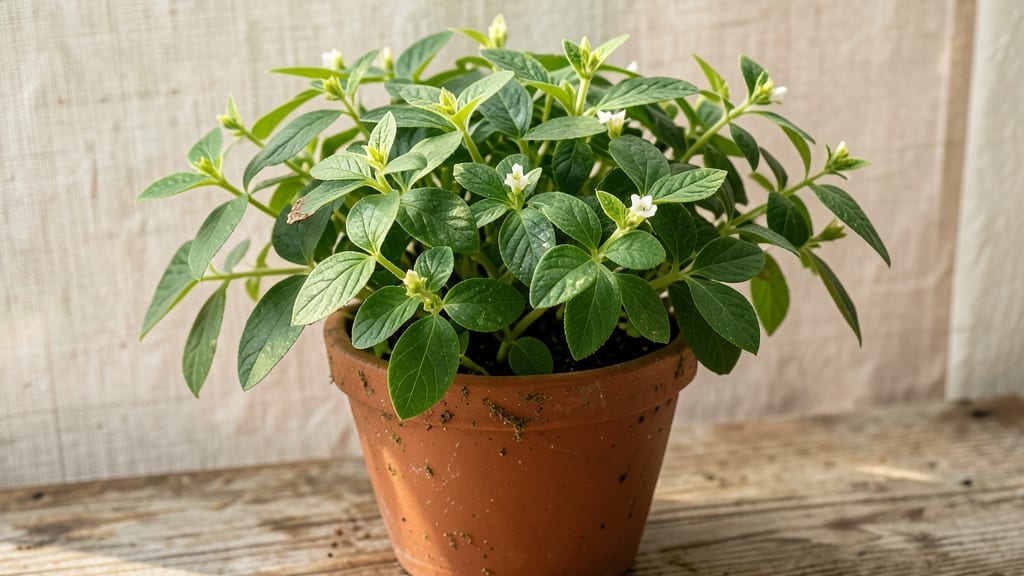
An indoor green bean plant thrives with dwarf or bush varieties, bright indirect light from a south-facing window or grow light, and nutrient-rich potting mix in a container at least 12 inches deep. Train vines along a small trellis and pick pods frequently to keep plants productive.
Indoor green beans are perfect for small spaces because their compact growth habits save room while still delivering fresh, homegrown produce. 🌱 The key to success lies in choosing the right variety—bush beans like 'Blue Lake' produce pods without needing vertical support, while pole varieties like 'Kentucky Wonder' reward you with more yield but require a trellis.
I always opt for bush beans in my kitchen because they're fuss-free and produce consistently, even under indoor lighting conditions.
Once you've selected your variety, focus on creating the ideal growing environment. These plants need at least 6-8 hours of bright light daily, so supplement natural light with a grow bulb if your windowsill isn't sunny enough.
The soil should drain well to prevent root rot—a mix of potting soil and perlite works perfectly. Water when the top inch feels dry, and fertilize lightly every 4-6 weeks with a balanced organic fertilizer to keep plants happy and productive.
💡 In This Article
- Choosing the Best Green Bean Varieties for Indoor Containers
- Step-by-Step Indoor Green Bean Plant Care Guide
Choosing the best green bean varieties for indoor containers
Bush green beans like 'Blue Lake Bush' and 'Contender' are ideal for indoor growing because they produce pods directly on the plant rather than requiring vertical support. These compact varieties typically reach 2-3 feet tall and 1-2 feet wide, making them perfect for small spaces like windowsills or balconies.
The key advantage is their self-supporting growth habit—no trellis needed—which simplifies care and reduces clutter in your indoor garden. 🌱
Pole varieties, such as 'Kentucky Wonder' or 'Rattlesnake,' grow much taller (up to 6-8 feet) and require sturdy trellises or cages. While they produce more beans per plant, their vertical growth makes them less practical indoors unless you have a dedicated grow light setup and vertical space.
For example, 'Blue Lake Bush' yields about 10-15 pods per plant in a 5-gallon container, while pole varieties need at least 12-18 inches of depth and a vertical structure to thrive.
The right variety also depends on your indoor lighting conditions. Bush beans tolerate lower light levels better than pole varieties, which need intense light to support their climbing habit. If your space only gets 4-6 hours of sunlight daily, stick with bush types—they'll still produce pods, albeit smaller ones.
For brighter spots with 6-8+ hours of light, you could experiment with dwarf pole varieties like 'Mascotte,' which tops out at 3-4 feet tall and produces abundant beans without taking over your space.
Another factor to consider is harvest frequency. Bush beans produce pods over a 3-4 week window, while pole varieties can yield for 6-8 weeks if given proper care. However, indoor pole beans often have shorter harvest windows due to limited light and space.
For consistent fresh beans, I recommend planting 2-3 bush bean plants in succession, spaced 6-8 inches apart in a container, to stagger your harvest and avoid glutting your kitchen.
Look for seed packets labeled "bush" or "compact" when shopping for indoor varieties. Avoid heirloom or open-pollinated seeds unless you're prepared to hand-pollinate flowers indoors—a process that requires careful monitoring and can be tricky without bees.
Instead, opt for hybrid varieties bred for container growing, like 'Blue Lake Bush' or 'Hystyle,' which are disease-resistant and more forgiving of indoor conditions. 💫
Finally, consider the flavor profile when selecting seeds. Bush beans like 'Blue Lake' have a classic, tender snap and sweet flavor, while some pole varieties develop a slightly more robust taste when allowed to mature longer.
For indoor growing, prioritize varieties that mature quickly (50-60 days to harvest) to ensure you can enjoy fresh beans before the plant outgrows its container or light conditions become limiting.