
Companion Plants
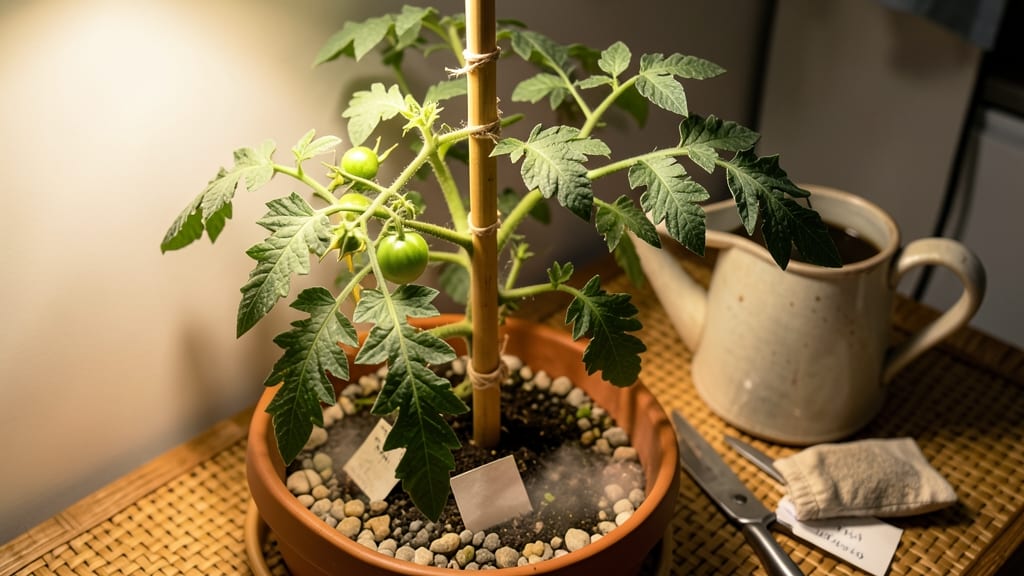
Overwintering tomato plants indoors saves your favorite varieties for next season—if you get the light and heat right. 🌱 I’ve brought mine through winter three years running, and the secret isn’t fancy equipment but matching their needs to what they’d get outdoors.
The first step? Moving them inside before the first frost, when nighttime temps dip below 55°F.
You’ll need a sunny window, a grow light on a timer, and a way to keep humidity up—tomatoes hate dry indoor air. Prune aggressively to remove diseased leaves and shape the plant, then reduce watering to prevent root rot.
My plants stay in pots on a drip tray to catch excess moisture, and I rotate them weekly so they don’t stretch toward one light source.
By February, you’ll see new growth pushing from the stems, proof the plant is ready to rebound. The trick is patience—don’t rush into flowering until temps stabilize outside. With consistent light and warmth, your tomatoes will be stockier and more productive than store-bought starts next spring.
Works for heirlooms, cherry tomatoes, or even those stubborn plants that refused to ripen last season. Here’s how to keep them alive until planting time—no greenhouses required.
📚 In This Guide
- What you need
- Instructions
- Tips and common mistakes
- Wrapping up and next steps
What you need
- ● Tomato plants: Healthy, disease-free plants (1-3 per container, depending on size).
- ● Containers: 5-10 gallon pots (or larger) with drainage holes. Plastic, fabric, or ceramic work—just avoid metal!
- ● Potting mix: High-quality, well-draining soil blend (sterilized if possible). Avoid garden soil—it’s too heavy and can harbor pests.
- ● Grow lights: Full-spectrum LED or fluorescent lights (12-16 hours/day). Look for 4000-6500K color temperature for optimal growth.
- ● Support system: Cages, stakes, or trellises (adjustable height for indoor growth).
- ● Fertilizer: Balanced, water-soluble fertilizer (5-5-5 or 10-10-10). Dilute to half-strength to avoid burning roots.
- ● Pruning shears: Sharp, clean scissors or pruners for trimming.
- ● Thermometer/hygrometer: To monitor temperature (60-75°F) and humidity (40-60%).
- ● Misting bottle or humidifier: For maintaining humidity levels.
- ● Reflective surfaces: Aluminum foil or white boards to bounce light and maximize brightness.
- ● Heating mat: For cooler climates (70-75°F root zone temp).
- ● Automatic timer: For grow lights (saves time and ensures consistency).
- ● Compost or worm castings: For a nutrient boost without over-fertilizing.
- ● Pest control: Neem oil, insecticidal soap, or sticky traps (just in case!).
Step-by-Step instructions for overwintering tomato plants indoors
Here's how to keep your tomato plants thriving through winter with simple light and heat adjustments.
🌱 Step 1: Prune and Prepare Plants for Indoor Transition
Start by pruning your tomato plants 2-3 weeks before moving indoors. Use clean, sharp scissors to trim away all leaves below the lowest flower cluster—this prevents disease and reduces stress. Keep only the top 4-6 leaves on each stem, as crowded foliage struggles in low winter light.
Remove all fruit still growing on the plant. Mature tomatoes won't ripen indoors, and the plant will waste energy trying. Cut stems back to just above a leaf node where new growth can emerge. This focused pruning helps redirect energy toward survival rather than fruit production.
☀️ Step 2: Acclimate Plants to Indoor Light Gradually
Move your tomato plants indoors 7-10 days before the first frost, but don't rush them inside immediately. Begin by placing them in a sheltered outdoor spot with partial shade for 2-3 hours daily. This gradual transition prevents shock from sudden light changes.
Watch for signs of stress like yellowing leaves or wilting. If you notice these, extend the outdoor time by only 30 minutes per day until they adjust. Once fully indoors, position plants near the brightest window—south-facing is ideal. You'll likely need supplemental grow lights within 2-4 weeks as daylight shortens.
💧 Step 3: Adjust Watering and Humidity for Indoor Conditions
Reduce watering immediately after bringing plants inside. Soil stays moist longer without wind and sun, so water only when the top inch feels dry. Use room-temperature water to avoid shocking roots, and water at the base rather than overhead to prevent fungal issues.
Increase humidity around your plants by placing trays of pebbles and water nearby or using a humidifier. Aim for 50-60% humidity—tomatoes hate dry indoor air. You'll know it's working when leaves stay crisp and don't develop brown edges. Mist leaves lightly in the morning, but avoid evening misting to prevent fungal growth overnight.
🔥 Step 4: Provide Consistent Heat and Light Support
Tomatoes need 65-75°F daytime temperatures and won't tolerate drafts. Place plants away from doors, windows, or vents that create temperature swings. If your home runs cooler, use a small space heater near the plants (but not too close—keep it 12 inches away to avoid leaf scorch).
Supplement natural light with a full-spectrum LED grow light for 14-16 hours daily. Position it 6-12 inches above the plants and raise it as they grow. You'll see leggy growth if light is insufficient—this means stems stretch toward any available light source. Rotate plants quarter-turn daily to encourage even growth.
✂️ Step 5: Monitor and Maintain Through Winter
Check plants weekly for pests like spider mites or aphids, which thrive in indoor conditions. Wipe leaves with a damp cloth if you spot them early. Prune any yellow or diseased leaves immediately to prevent spread. You might need to trim back 25-30% of foliage if growth becomes too dense for the available light.
Fertilize lightly every 4-6 weeks with a half-strength balanced fertilizer (10-10-10). Over-fertilizing in winter can lead to weak, leggy growth. Watch for new shoots emerging from leaf nodes—these indicate the plant is adjusting well. By late winter, you may see small flowers forming, but don't expect fruit until spring when light increases naturally.
Tips & tricks for overwintering tomato plants indoors
Here's what nobody tells you about keeping tomatoes alive through winter—these tricks make all the difference.
Pruning Precision: When you're trimming those bottom leaves in Step 1, don't just snip randomly. Look for the lowest flower cluster and cut just above it—this is where new growth will emerge. I learned this the hard way after pruning too aggressively and losing potential growth points. Aim for those 4-6 top leaves only, and you'll give your plant the best chance to recover.
Light Transition Strategy: That 2-3 hour outdoor acclimation in Step 2 isn't just about sunlight—it's about temperature regulation too. If your mornings are chilly, wait until afternoon when temps are warmer. Watch for condensation on leaves after bringing plants inside; if you see heavy dew, they're not ready yet. The goal is to mimic natural conditions as closely as possible during this critical adjustment period.
Humidity Hack: For that 50-60% humidity target in Step 3, try this: Place your pebble tray under the grow light (if using one) instead of beside it. The warmth from the light will increase evaporation, creating a microclimate of moisture right where your plants need it most. Just be sure to refill the tray daily—evaporation happens faster than you'd think, especially with that supplemental light running 14-16 hours daily.
Heat Management: When using that space heater in Step 4, position it so the heat source is on the opposite side of where your plants face the window. This creates a balanced temperature zone without creating hot spots that could scorch leaves. I keep mine set to maintain 65-75°F during the day, but turn it off completely at night—tomatoes need that cooling period to rest and recover.
Pro Tips for Overwintering Tomato Plants Indoors
- Here's what nobody tells you about keeping tomatoes alive through winter—these tricks make all the difference.
- Pruning Precision: When you're trimming those bottom leaves in Step 1, don't just snip randomly. Look for the lowest ...
- Light Transition Strategy: That 2-3 hour outdoor acclimation in Step 2 isn't just about sunlight—it's about temperatu...
Frequently asked questions
Got questions about keeping your tomato plants alive through winter? You’re not alone! Here are some of the most common concerns—and their solutions—to help you overwinter like a pro.
Can I overwinter any tomato variety indoors?
Most heirloom and indeterminate varieties (like 'Sungold' or 'Cherokee Purple') thrive indoors, but determinate (bush) types may not be worth the effort. Focus on disease-resistant plants and prune aggressively to manage size. Pro tip: Avoid hybrid varieties labeled for short seasons—they’re not built for long-term indoor life!
When should I bring my tomato plants inside?
Watch for the first frost warning (usually late September–October in most climates). Harvest all ripe fruit first, then move plants indoors before temps drop below 50°F (10°C). Wait too long? Frost-damaged leaves can invite pests and diseases. Act fast!
How much light do overwintering tomatoes really need?
Indoors, tomatoes need 14–16 hours of light daily. Supplement with grow lights (LED or fluorescent) 6–12 inches above plants. South-facing windows won’t cut it—most homes lack enough natural light. Troubleshooting: Stretched, leggy plants? You’re not giving them enough light!
Will my tomatoes still produce fruit indoors?
Yes, but expect smaller yields. With proper light, warmth (65–75°F/18–24°C), and humidity (40–60%), you’ll get some fruit—though flowering may slow. Boost production: Hand-pollinate with a paintbrush if flowers aren’t setting fruit. Patience is key!
How do I prevent pests and diseases indoors?
Isolate new plants for 2 weeks to spot pests early. Use neem oil or insecticidal soap for spider mites/aphids. Prevent fungal issues: Avoid overhead watering, prune for airflow, and keep humidity in check. Yellow leaves? Could be overwatering or nutrient deficiency—check your soil!
Can I overwinter tomatoes without grow lights?
Technically yes, but results will be disappointing. Tomatoes need light to survive winter. If lights aren’t an option, try a sunroom or greenhouse with supplemental heat. Alternative: Propagate cuttings instead—it’s easier than keeping mature plants alive in low light!
Wrapping up and next steps
Overwintering tomato plants indoors isn’t just about survival—it’s a rewarding way to extend your harvest and save seeds for next season! With the right light, heat, and care, your plants can thrive until spring, giving you a head start on fresh, homegrown tomatoes. 🌱
Ready to take the next step? Start by choosing healthy plants and setting up your indoor space with these hacks. Then, monitor their progress and adjust as needed—your future garden (and taste buds!) will thank you. Happy growing! 🌿