
Container Gardens
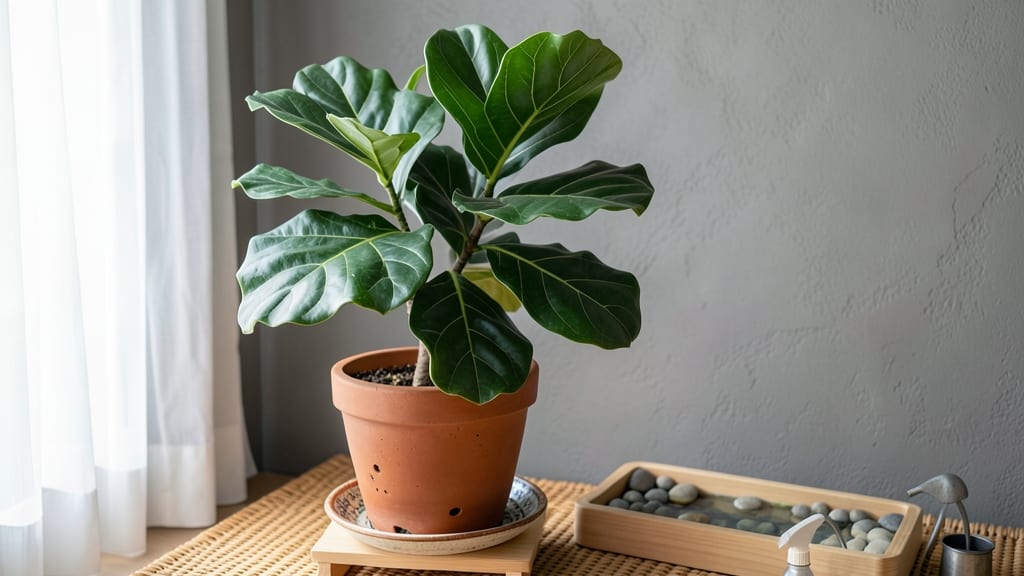
My ficus indoor plant care secret has kept this silent office companion thriving for five years—tall, glossy, and alive where other plants barely survive. 🌿 The secret isn’t complicated: it’s about light, water, and patience, not fancy equipment or rare soil blends.
I’ve killed three ficus before this one, but now I’ve cracked the code for keeping them lush indoors year-round.
Start with bright, indirect light—think east-facing windows or a few feet from a south window. Too much direct sun burns those beautiful leaves, while too little makes them yellow and leggy.
Water only when the top 1-2 inches of soil feel dry, and use room-temperature water to avoid shocking the roots. Overwatering is the #1 killer, but underwatering stresses them too.
You’ll notice new growth within 4-6 weeks if you’ve got the balance right—dark green leaves, sturdy stems, and that classic ficus shape. Prune leggy stems in spring to encourage bushier growth, and wipe the leaves occasionally to keep them dust-free.
The payoff? A plant that looks like it belongs in a botanical garden, not just your living room.
Seasonal tweaks matter too—reduce watering in winter when growth slows, and increase humidity with a pebble tray if your home feels dry. Ficus are forgiving once you understand their rhythm, and with these adjustments, yours will stay vibrant and healthy for years. Ready to give it a try?
📚 In This Guide
- What you need
- Instructions
- Tips and common mistakes
- Wrapping up and next steps
What you need
- ● Ficus plant: Choose your variety (e.g., Ficus elastica "Rubber Plant," Ficus benjamina, or Ficus lyrata "Fiddle Leaf Fig").
- ● Well-draining potting mix: 1 bag (1–2 gallons) of cactus/succulent mix or a blend with perlite/pumice (20–30% by volume). Pro tip: Avoid heavy garden soil—ficus plants hate soggy roots! 💡
- ● Pot with drainage holes: 1–2 inches larger in diameter than the plant’s root ball. Terracotta or ceramic works best for airflow.
- ● Watering can or spray bottle: A thin-spout can (for deep watering) or a mist sprayer (for humidity-loving varieties like Fiddle Leaf Figs).
- ○ Humidity tray or pebble tray: Optional but helpful for dry-air environments (fill with water + pebbles).
- ● Fertilizer: 1 bottle of balanced liquid fertilizer (10-10-10 or 20-20-20, diluted to half-strength). Bonus: Slow-release granules for busy plant parents! 🌱
- ● Pruning shears or clean scissors: Sharp, sterilized tools (rubbing alcohol wipe works).
- ○ Grow lights (optional): 1–2 full-spectrum LED bulbs (6000K–6500K) for low-light spots.
- ● Bright, indirect light: A south- or west-facing window (or grow lights for 6–8 hours/day). ⚠️ Warning: Direct sun can scorch leaves!
- ● Consistent temperature: Keep between 60–75°F (15–24°C). Avoid drafts (AC vents, heaters, or cold windows).
- ● Patience: Ficus plants are slow growers—don’t rush watering or repotting! 🐢
Step-by-Step instructions for ficus indoor plant care
Here's the straightforward routine I follow to keep my ficus lush and healthy—no guesswork, just results.
🌿 Step 1: Position for Ideal Light Conditions
Ficus plants thrive in bright, indirect light—think east or west-facing windows where sunlight filters through curtains. Avoid harsh midday sun, which can scorch the leaves by creating crispy brown edges. I notice my ficus grows best when placed about 3-6 feet from a window, where it gets plenty of light without direct rays.
If your home has low light, supplement with a grow light positioned 12-18 inches away for 12-14 hours daily. You'll know the light is right when new leaves emerge with a vibrant green color and no yellowing. If leaves start dropping or stretching toward the light, it's time to adjust the plant's position or add more light.
💧 Step 2: Master the Watering Routine
Water your ficus only when the top 1-2 inches of soil feel dry—this prevents root rot, which is a common issue with overwatering. I stick my finger into the soil to check moisture levels before watering. When the soil feels dry to the touch, it's time to water thoroughly until water drains from the bottom of the pot.
Ficus plants prefer to dry out slightly between waterings, so avoid keeping the soil soggy. In winter, when growth slows, you may only need to water every 2-3 weeks. Watch for wilting leaves—they're a sign your ficus needs water, but don't wait until the leaves are crispy to act.
✂️ Step 3: Prune for Shape and Health
Pruning encourages bushier growth and removes dead or yellowing leaves. Use clean, sharp pruning shears to trim back leggy stems or overgrown branches. I like to cut just above a leaf node—this is where new growth will sprout. You'll see fresh leaves emerging within a few weeks, signaling that the plant is responding well to the pruning.
Don't be afraid to prune aggressively if needed—ficus plants are resilient and will bounce back. After pruning, wipe down the leaves with a damp cloth to remove dust, which helps the plant absorb more light. This is also a great time to repot if the roots are circling the bottom of the pot.
🪴 Step 4: Maintain Humidity and Cleanliness
Ficus plants enjoy moderate humidity, especially if your home has dry air from heating or air conditioning. I place my ficus on a tray filled with pebbles and water to create a humid microclimate. The water evaporates, increasing humidity around the plant without sitting water near the roots.
Dust can block light absorption, so I clean the leaves every few weeks with a damp cloth. This keeps the plant looking vibrant and ensures it's getting the most out of the light. If you notice brown spots on the leaves, it could be a sign of dust buildup or low humidity—addressing either will help your ficus thrive.
🌱 Step 5: Fertilize for Strong Growth
Feed your ficus with a balanced liquid fertilizer (like 10-10-10) every 4-6 weeks during the growing season (spring and summer). I dilute the fertilizer to half-strength to avoid overfeeding, which can burn the roots. Always water the plant before fertilizing to prevent root damage.
In fall and winter, reduce fertilizing to once every 8-12 weeks as the plant's growth slows. You'll know it's getting the right nutrients when new leaves are dark green, healthy, and grow steadily. If leaves turn yellow or brown, it might be a sign of over- or under-fertilizing, so adjust accordingly.
Tips & tricks for perfect ficus indoor plant care
These simple strategies will help you keep your ficus thriving all year long—no green thumb required.
Light Adjustment: If you notice your ficus stretching toward the window (a sign of light hunger), rotate the pot quarter-turns every 2-3 weeks so all sides get even exposure. This prevents lopsided growth and ensures balanced foliage development. I also recommend cleaning windows periodically—dust buildup can reduce light penetration by up to 20%.
Watering Test: The finger-check method in Step 2 works perfectly, but here's the pro move: press your finger about 1 inch deep into the soil. If it feels dry at this depth, it's time to water. I've found this deeper check prevents both overwatering (which causes root rot) and underwatering (which leads to crispy leaves). Remember, ficus roots need air too!
Pruning Secrets: When pruning in Step 3, look for the small bump or node just above where the leaf meets the stem—this is where new growth will sprout. If you're unsure, cut at a 45-degree angle about 1/4 inch above a node. You can even propagate these cuttings in water for new plants! Just place them in bright, indirect light and change the water weekly.
Humidity Hacks: The pebble tray method in Step 4 is excellent, but for extra humidity in dry climates, try grouping your ficus with other houseplants. Plants release moisture through transpiration, creating their own microclimate. I keep mine near my snake plant and spider plant for best results. Just avoid overcrowding—aim for about 6-12 inches between plants.
Pro Tips for Ficus Indoor Plant Care
- These simple strategies will help you keep your ficus thriving all year long—no green thumb required.
- Light Adjustment: If you notice your ficus stretching toward the window (a sign of light hunger), rotate the pot quar...
- Watering Test: The finger-check method in Step 2 works perfectly, but here's the pro move: press your finger about 1 ...
Frequently asked questions
Got questions about keeping your ficus thriving indoors?
You’re not alone! Here are answers to the most common concerns—from watering woes to sunlight struggles—so you can enjoy lush, happy foliage all year.
How often should I water my indoor ficus?
Water your ficus when the top 1-2 inches of soil feel dry—usually every 1-2 weeks, depending on humidity and light. Overwatering is the #1 killer! Stick your finger in the soil to check: if it’s damp, wait. Pro tip: Ficus plants prefer slightly dry conditions over soggy roots.
Can a ficus survive in low-light conditions?
While ficus plants tolerate medium to bright indirect light best, they can adapt to low light—but expect slower growth and smaller leaves. If leaves yellow or drop, move it closer to a window (but avoid harsh direct sun, which can scorch). A grow light works well for dim spaces!
Why are my ficus leaves dropping?
Leaf drop is usually stress-related! Common culprits:
- Overwatering (root rot)
- Sudden temperature changes (keep away from drafts/AC vents)
- Underwatering (crispy edges = thirsty plant!)
- Transplant shock (give it 2-4 weeks to adjust after repotting)
Once you pinpoint the issue, adjust care and monitor progress.
What’s the best temperature range for a ficus indoors?
Ficus plants thrive in 65–75°F (18–24°C) during the day and 60°F (15°C) or warmer at night. Avoid cold drafts (like near windows in winter) or sudden heat shifts. If your home dips below 55°F (13°C), move it to a warmer spot or use a plant heater.
Can I prune my ficus, and how?
Pruning encourages bushier growth and removes dead/damaged leaves. Use sterilized scissors to cut just above a leaf node (the bump where leaves grow). For shaping, trim back leggy stems to ½ their length. Bonus: Propagate cuttings in water for new plants!
How do I revive a dying ficus?
Start with these steps:
- Check roots—trim any mushy (rotten) parts and repot in fresh, well-draining soil.
- Adjust watering (let soil dry out completely between waterings).
- Move to bright, indirect light (avoid direct sun until recovered).
- Wipe leaves with a damp cloth to remove dust (helps with photosynthesis!).
With patience, many ficus plants bounce back!
Wrapping up and next steps
Caring for a ficus indoor plant is all about balance—giving it the right light, water, and love to keep it lush and happy year-round. 🌿 With these simple hacks, you’ll enjoy a thriving green friend that purifies your air and brightens your space.
Now’s the perfect time to pick your favorite variety and start your container gardening journey!
🌱 Next Steps:
- Grab your ficus and a sunny spot—your plant’s new home awaits!
- Check out our container garden essentials guide for more tips.
- Share your progress with #FicusCare—we’d love to see your green success!