
Pruning
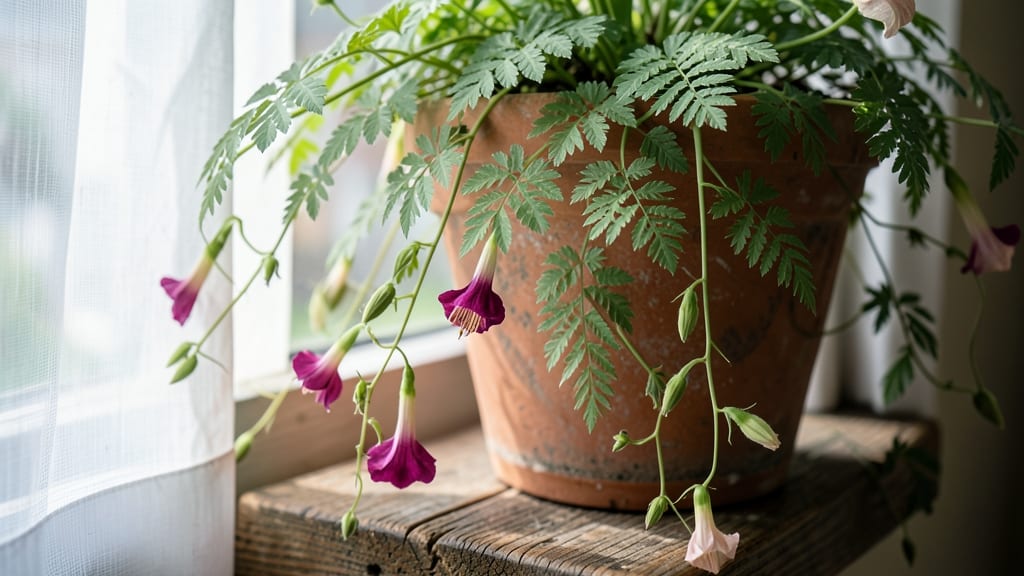
Your indoor cypress tree can keep smelling like a pine forest all year—if you prune it right. 🌿 I’ve nursed back more than a few brown-tipped cypress trees, and the secret isn’t complicated: it’s about light, water, and knowing when to snip.
These trees thrive when you mimic their natural habitat, not when you treat them like a houseplant that can take anything.
The key starts with bright, indirect light—think east-facing windows or a few feet from a south window. Water only when the top inch of soil feels dry, and always use room-temperature water to avoid shocking the roots.
Humidity matters too: a pebble tray with water or a humidifier keeps those needle tips from crisping up like toast.
Pruning isn’t just about shaping—it’s about breathing life into the tree. Trim back leggy growth in early spring, and always cut just above a leaf joint. Yellowing? Check for overwatering or pests like spider mites (wipe leaves with soapy water if you spot webbing).
With the right care, your cypress will stay lush, fragrant, and full of life for years.
Works for both Chamaecyparis lawsoniana (the classic false cypress) and Cupressus macrocarpa (the bold Monterey cypress). Even if yours looks sad now, give it a month of this routine—and you’ll have a thriving centerpiece that smells like a vacation every time you walk by.
📚 In This Guide
- What you need
- Instructions
- Tips and common mistakes
- Wrapping up and next steps
What you need
- ● Indoor cypress tree (e.g., Cupressus arizonica or Chamaecyparis lawsoniana—ensure it’s suited for indoor conditions 🌱)
- ● Pruning shears (sharp, bypass-style, sterilized—bypass shears are ideal for clean cuts 🔪)
- ● Hand pruners (for smaller branches, 1-inch cutting capacity)
- ● Disinfectant (70% isopropyl alcohol or rubbing alcohol to prevent disease spread 🧴)
- ● Glove (gardening gloves, nitrile-coated for grip and protection 🧤)
- ○ Pruning sealant (optional but helpful for larger cuts—latex-based works well 🌲)
- ● Newspaper or drop cloth (to catch debris and protect floors 📰)
- ● Watering can or spray bottle (for post-pruning hydration 💦)
- ● Ladder or step stool (if your tree is tall—3-6 ft for most indoor cypress 🪜)
- ● Horticultural oil (for treating pests before pruning 🐜)
- ● Grow lights (if your tree needs extra light post-pruning—LED full-spectrum recommended ☀️)
- ● Decorative pot or liner (to refresh your tree’s home after pruning 🏺)
- ● Notebook & pen (to track pruning dates and growth patterns ✍️)
Step-by-step instructions for cultivating an indoor cypress tree
Here’s how I keep my cypress tree thriving indoors with minimal fuss—no green thumb required.
🪴 Step 1: Select the Right Container and Soil Mix
Choose a pot with drainage holes—cypress trees despise soggy roots. I use a 10-12 inch ceramic pot for my 3-foot tree, but adjust size based on your plant’s height. The soil should be a well-draining mix: 60% peat moss or coconut coir, 30% perlite or pumice, and 10% sand for aeration. This blend prevents root rot while holding enough moisture for the tree’s Mediterranean roots.
Fill the pot halfway with your mix, then gently tap the sides to settle it. Press down lightly with your fingers—just enough to create a stable base without compacting. The goal is a fluffy texture that mimics the tree’s natural sandy soil. If you’re repotting, remove the plant carefully, shake off old soil, and inspect roots for rot before replanting.
☀️ Step 2: Position for Light and Humidity
Cypress trees crave bright, indirect light—think east or west-facing windows. A south window works if filtered through sheer curtains. Direct sun scorches the needles, so avoid placing it near glass without protection. If your space lacks natural light, supplement with a grow light positioned 12-18 inches away for 12-14 hours daily. You’ll know the light is right when new growth stays vibrant green, not yellow or brown.
Humidity is key—these trees adore it. Group your cypress with other houseplants or use a pebble tray filled with water beneath the pot. Mist the needles 2-3 times weekly in dry climates, but avoid soaking the foliage. Watch for curled needles—they’re begging for more moisture. A hygrometer helps track humidity levels; aim for 40-60%.
💧 Step 3: Water with Precision
Water when the top 1-2 inches of soil feel dry to the touch. Stick your finger in—if it comes out clean, it’s time. Pour water slowly until it drains freely from the bottom. Empty the saucer afterward to prevent root suffocation. Overwatering is the fastest way to kill a cypress tree, so resist the urge to water on a schedule. Instead, let the soil dry slightly between waterings, especially in winter when growth slows.
In summer, you might water every 5-7 days, but adjust based on your home’s conditions. Yellowing needles often signal overwatering, while crispy tips mean underwatering. If you notice brown patches, trim them off with clean pruners and reduce watering slightly. The tree’s natural resilience will bounce back once you correct the issue.
✂️ Step 4: Prune for Shape and Health
Prune in early spring before new growth starts. Use sterilized bypass pruners to cut just above a leaf node at a 45-degree angle. Remove any dead, diseased, or crossing branches first—they’ll only crowd the tree and attract pests. Shape the tree by trimming leggy growth back to a side branch with at least two healthy leaves. This encourages bushier growth and maintains that classic cypress silhouette.
Don’t overdo it—never remove more than one-third of the foliage in a single session. After pruning, wipe the needles with a damp cloth to remove dust, which helps the tree breathe better. Store your pruners in rubbing alcohol between uses to prevent bacterial spread. If you see sawdust-like frass (insect droppings) on the soil, treat with neem oil and isolate the tree until pests are gone.
🌿 Step 5: Fertilize and Monitor Year-Round
Feed your cypress monthly in spring and summer with a balanced, water-soluble fertilizer (10-10-10 or 20-20-20). Dilute to half-strength to avoid burning the roots. In fall and winter, cut back to every 6-8 weeks—the tree’s growth slows, so it needs less nourishment. Always water the soil before fertilizing to prevent root burn. You’ll see it working when new growth appears lush and dark green.
Keep an eye out for spider mites or scale insects, which love dry conditions. Wipe leaves with soapy water (1 tsp mild dish soap per gallon) if you spot webbing or sticky residue. For severe infestations, repeat treatments every 5-7 days until pests vanish. A healthy cypress tree should have fewer than 5% damaged needles—any more means it’s time to intervene.
Tips & tricks for perfect indoor cypress tree care
Here's what nobody tells you—these small details make all the difference in keeping your cypress thriving year-round.
Soil Mix Secret: When mixing your 60% peat moss or coconut coir, 30% perlite or pumice, and 10% sand blend, add a handful of orchid bark (optional) for extra aeration. I learned this the hard way after seeing roots suffocate in dense soil. The bark breaks down slowly, creating air pockets that mimic the tree's natural Mediterranean habitat. Test your mix by squeezing a handful—it should crumble easily without sticking together.
Light Positioning: If you notice yellowing needles near the window, your cypress is getting too much direct sun. Move it back 2-3 feet from the glass or add a sheer curtain. For grow lights, position them 12-18 inches away and adjust the height so the light just grazes the top branches—this prevents leggy growth. I keep mine on a timer for 12-14 hours daily during winter when natural light is scarce.
Watering Technique: The finger test in Step 3 works, but here's the pro move: use a moisture meter for accuracy. Cypress trees hate soggy roots, so always water until it drains freely from the bottom. In winter, I reduce watering to every 10-14 days since growth slows dramatically. Yellowing needles usually mean overwatering, but crispy tips signal underwatering—both are fixable with simple adjustments.
Pruning Precision: When shaping your tree in early spring, focus on creating an open center by removing branches that cross. This allows better air circulation and prevents fungal issues. After pruning, I always wipe the needles with a damp microfiber cloth—this removes dust that can clog stomata (those tiny pores) and helps the tree absorb more humidity. Store your pruners in rubbing alcohol between uses to prevent bacterial spread that could infect fresh cuts.
Pro Tips for Indoor Cypress Tree
- Here's what nobody tells you—these small details make all the difference in keeping your cypress thriving year-round.
- Soil Mix Secret: When mixing your 60% peat moss or coconut coir, 30% perlite or pumice, and 10% sand blend, add a handful of orchid bark (optional) for extra aeration.
- Light Positioning: If you notice yellowing needles near the window, your cypress is getting too much direct sun.
Frequently asked questions
Got questions about keeping your indoor cypress tree thriving? You’re not alone! Here are answers to the most common queries—from pruning to placement—so you can enjoy that fresh, piney aroma all year long.
How often should I prune my indoor cypress tree?
Prune your indoor cypress tree every 4–6 weeks to maintain its shape and encourage healthy growth. Focus on trimming brown or leggy branches first, then lightly shape the top. Avoid over-pruning—never remove more than 25% of the foliage at once to prevent stress.
Can I keep an indoor cypress tree in a cold room, like a basement?
Nope! Indoor cypress trees thrive in moderate temperatures (60–75°F). Cold drafts (below 50°F) can shock the tree, causing needle drop. If you’re storing it seasonally, keep it in a cool but not freezing space (like a garage) with indirect light.
Why are the tips of my cypress tree turning brown?
Brown tips usually mean overwatering or underwatering. Check the soil—if it’s soggy, reduce watering; if dry, soak the pot. Also, low humidity or fluoride buildup (from tap water) can cause browning. Try misting leaves or using distilled water to troubleshoot.
Is there a low-maintenance alternative to an indoor cypress tree?
Yes! If pruning feels tedious, try a Norfolk Island pine or dwarf Alberta spruce—both are fragrant, drought-tolerant, and need less frequent trimming. Just ensure they get bright, indirect light and occasional pruning to stay lush.
How do I revive a drooping indoor cypress tree?
First, check the roots—if the soil is waterlogged, let it dry out completely. Repot if roots are circling. Place the tree in bright, indirect light and avoid cold drafts. Mist leaves daily and fertilize lightly with a balanced, water-soluble fertilizer every 2 months.
Still stumped? Drop your question below—we’re happy to help your cypress tree bounce back!
Wrapping up and next steps
Transforming your space into a fragrant oasis with an indoor cypress tree is simpler than you think—just master the art of pruning! 🌿 With the right tools, timing, and techniques, you’ll enjoy year-round freshness while keeping your tree lush and healthy.
Whether you’re a pruning pro or a beginner, these tips ensure your cypress thrives indoors.
Ready to take the next step? Start small:
- Pick a sunny spot and gather your supplies.
- Schedule your first pruning session—now’s the perfect time!
- Share your progress with fellow plant lovers for extra motivation!