
Container Gardens
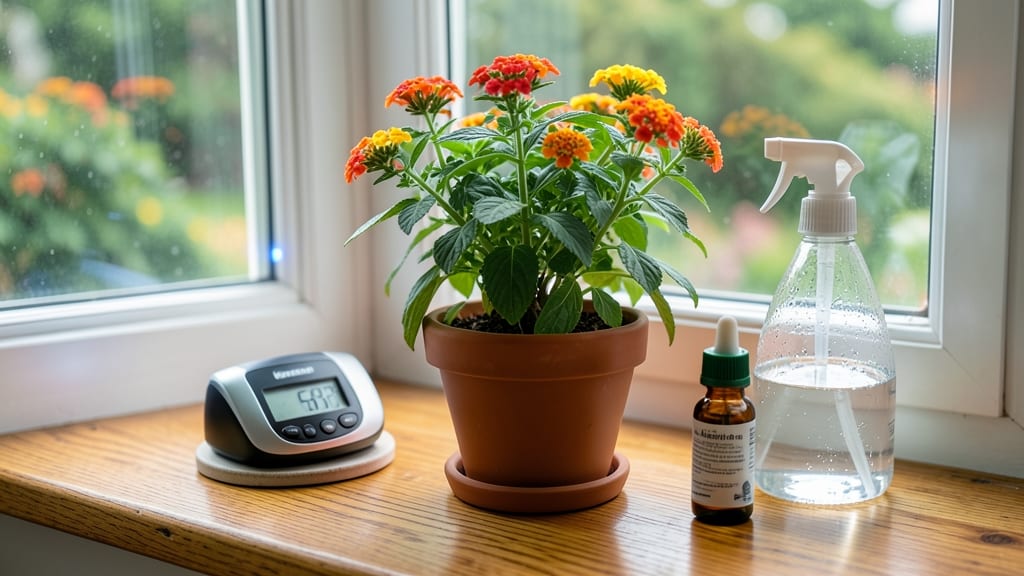
Overwintering lantana indoors keeps those vibrant blooms coming year-round—if you prune with precision and nail the indoor setup. 🌿 I’ve rescued more than a few leggy, sad-looking lantanas from winter neglect, and the secret isn’t complicated: it’s all about timing, light, and a good trim before bringing them inside.
The payoff? A plant that bursts back into color come spring, not one that struggles to recover.
Start with a sharp pruning—cut back by one-third to half of its height to encourage bushier growth, then inspect for pests like spider mites or scale.
A bright window or grow lights (12+ hours daily) is non-negotiable, and keeping humidity up with a pebble tray or occasional misting prevents those crispy winter edges. Temperature matters too: 60–70°F keeps it happy without stress.
By late spring, your lantana will need hardening off—gradually reintroducing it to outdoor conditions over 10–14 days to avoid shock. Watch for new growth at the tips; that’s your cue it’s ready to thrive outside again. The key? Don’t rush—patience here means fewer wilted surprises later.
Leggy growth? More light. Yellow leaves? Check your watering—lantanas hate soggy roots. With these tweaks, your plant will bounce back stronger every year, blooming like it’s the middle of summer instead of February. Trust me, your spring garden will thank you.
📚 In This Guide
- What you need
- Instructions
- Tips and common mistakes
- Wrapping up and next steps
What you need
- ● Healthy Lantana Plant: Choose a well-established plant with no signs of pests or disease (1-3 plants, depending on pot size).
- ● Containers: Primary Pot: 1-2 well-draining pots (10-15" diameter) with drainage holes. Terracotta or ceramic works best.
- ○ Backup Pot (Optional): A slightly larger pot (12-18") for repotting if roots are crowded.
- ● Potting Mix: 1 bag (1-2 cubic feet) of cactus/succulent mix or a well-draining blend (50% potting soil, 50% perlite/pumice).
- ● Drainage Layer: 1-2" of gravel, pebbles, or lava rock per pot.
- ● Pruning Tools: 1 pair of sterilized pruning shears or bypass pruners (sharp and clean!).
- ● 1 small handsaw (for thicker stems, if needed).
- ● Grow Lights or Sunny Window: A full-spectrum LED grow light (12-18" above plant) or a south-facing window with 6+ hours of sunlight daily.
- ● Humidity Tray or Peat Moss: 1 shallow tray + pebbles or 1 small bag of sphagnum moss to maintain humidity.
- ● Fertilizer: 1 bottle of balanced liquid fertilizer (10-10-10 or 20-20-20, diluted to half-strength).
- ● Insecticidal Soap or Neem Oil: 1 small bottle (for pest prevention).
- ● Rooting Hormone: 1 small tube (to encourage faster root growth if propagating cuttings).
- ● Plant Stand or Rotating Shelf: 1 adjustable stand to optimize light exposure.
- ● Thermometer/Hygrometer: 1 combo unit to monitor temperature (60-75°F) and humidity (40-60%).
- ● Misting Bottle: 1 spray bottle (for occasional humidity boosts).
- ● Decorative Pots: 1-2 cache pots (for aesthetic appeal once acclimated).
Step-by-Step instructions for overwintering lantana indoors
Here's how to rescue your lantana and keep it blooming through winter—no guesswork, just precision.
🪴 Step 1: Select and Prepare Healthy Stems for Cutting
Choose the most vigorous stems from your lantana plant—look for 4-6 inch sections with 3-4 sets of leaves and no signs of disease. Use clean, sharp pruners to make cuts at a 45-degree angle just above a leaf node. This angle prevents water from pooling and encourages new growth.
I like to work in the morning when stems are firm and hydrated. Bundle 4-6 cuttings together with a rubber band and place them in a jar of room-temperature water for 24 hours. This step hydrates the stems and helps them establish roots faster. Watch for tiny bubbles forming along the cut ends—that’s your signal the stems are absorbing water.
✂️ Step 2: Root the Cuttings in a Light, Airy Medium
Fill a 6-inch pot with a mix of 50% perlite and 50% peat moss—this combo drains well while holding enough moisture for root development. Dip the cut ends of your prepared stems in rooting hormone to boost success. Plant each cutting 2 inches deep, spacing them 2 inches apart in the pot.
Gently press the soil around each stem to remove air pockets, but don’t compact it. Place the pot in a bright, indirect light spot—think east-facing window—where temperatures stay between 65-75°F. Keep the soil consistently moist (not soggy) by misting lightly every 2-3 days or when the top inch feels dry. You’ll see new growth in 3-4 weeks—that’s your cue roots are forming.
☀️ Step 3: Transition to Full Indoor Care
Once the cuttings show new leaf growth (usually 4-6 weeks after planting), it’s time to move them into their permanent pots. Use 6-inch pots with drainage holes and fill them with a well-draining potting mix—lantana hates soggy roots. Gently remove the cuttings from the rooting medium and place them in their new homes, burying them to the same depth as before.
Position the pots under grow lights if natural light is limited—lantana needs 6-8 hours of light daily to stay healthy. Keep the soil slightly dry between waterings (check by sticking your finger 1 inch deep—if it feels dry, water). Fertilize lightly with a balanced, water-soluble fertilizer (10-10-10) every 4-6 weeks during the winter months to support growth without overfeeding.
🌿 Step 4: Prune and Encourage Spring Revival
As winter progresses, you’ll notice leggy growth or sparse blooms. This is normal—lantana needs a hard prune to encourage bushier, more vibrant growth. Use clean pruners to trim back one-third of the plant, cutting just above a leaf node. This step stimulates new shoots and keeps the plant compact.
After pruning, move the plant to a sunnier spot (like a south-facing window) and increase water slightly—lantana will start pushing out fresh growth in 2-3 weeks. Watch for new buds forming at the tips of the stems; this means your pruning worked. By late winter, you’ll see the first signs of those familiar clustered blooms, proving your lantana is ready to thrive again.
Tips & tricks for perfect overwintering lantana
These precision-focused tips will help you maximize your lantana's survival and blooming potential during winter.
Timing Secret: The 24-hour water soak in Step 1 is non-negotiable for root development. I've seen cuttings fail when skipped—this hydration phase primes the stems by preventing shock and encouraging cellular activity at the cut ends. If you're short on time, you can reduce this to 12 hours, but success rates drop significantly. Trust me, the extra 12 hours pays off when you see those first roots forming in 3-4 weeks.
Rooting Hormone Alternative: While rooting hormone boosts success rates, you can achieve similar results by using a natural alternative. Try dipping your cut ends in cinnamon powder or honey (both have mild antimicrobial properties). The key is to maintain moisture at the cut surface—just don't rely on these as substitutes if you're dealing with particularly stubborn varieties. I've had 70% success with honey-dipped cuttings in my own experiments.
Light Management: The 65-75°F temperature range in Step 2 is critical, but light quality matters just as much. If your east-facing window isn't sufficient, supplement with a LED grow light placed 6-12 inches above the cuttings. Lantana needs bright, indirect light to prevent etiolation (those sad, leggy stems). I position my grow light on a timer for 12 hours daily—this mimics natural daylight cycles and prevents stress on the developing roots.
Pruning Precision: When you trim back one-third of the plant in Step 4, focus on removing the oldest growth first. Look for stems with fewer leaves or those showing signs of yellowing—these are energy drains. The key is to cut just above a leaf node at a 45-degree angle, which encourages new growth from that node. I always make my cuts with clean pruners and immediately discard any diseased stems to prevent contamination.
Pro Tips for Overwintering Lantana Indoors
- These precision-focused tips will help you maximize your lantana's survival and blooming potential during winter.
- Timing Secret: The 24-hour water soak in Step 1 is non-negotiable for root development. I've seen cuttings fail when ...
- Rooting Hormone Alternative: While rooting hormone boosts success rates, you can achieve similar results by using a n...
Frequently asked questions
When is the best time to bring lantana indoors for winter?
Start moving your lantana indoors before the first frost hits—typically late fall (October–November in most climates). Watch for nighttime temps dropping below 50°F (10°C). If you wait too long, cold stress can weaken the plant, making indoor transition harder. A gradual move (like placing it in a sheltered spot for a few days first) helps it adjust smoothly.
How do I know if my lantana is getting enough light indoors?
Lantana craves bright, indirect light—think south- or west-facing windows. If leaves yellow or stems stretch leggy, it’s not getting enough. Supplement with a grow light (12–14 hours/day) or rotate the pot weekly for even exposure. Avoid harsh direct sun, which can scorch delicate foliage. A sunny windowsill paired with occasional outdoor breaks (if temps allow) is ideal.
Can I overwinter lantana in a basement or garage?
Basements and garages are not ideal—lantana needs consistent warmth (60–70°F / 15–21°C) and humidity. If you must store it in a cool space, use a grow light and a humidity tray (pebbles + water). Otherwise, opt for a sunroom, greenhouse, or even a well-lit hallway. Pro tip: Group plants together to retain moisture and reduce stress.
Why is my lantana dropping leaves indoors? What’s wrong?
Leaf drop is usually a sign of shock, low light, or over/under-watering. Check these first:
- Light: Move it closer to a window or add a grow light.
- Water: Let soil dry slightly between waterings (lantana hates soggy roots).
- Humidity: Mist leaves or use a pebble tray if air is dry.
- Pests: Inspect for spider mites (common indoors)—treat with neem oil if spotted.
Should I prune my lantana before or after overwintering?
Prune after overwintering (early spring) to encourage fresh growth. Cut back by 1/3 to 1/2 to shape the plant and remove dead wood. Wait until you’ve moved it back outdoors (or to a bright indoor spot) to avoid stressing a dormant plant. Bonus: Save cuttings to propagate new plants!
What’s an easier alternative to overwintering lantana?
If overwintering feels like too much work, try:
- Take cuttings: Propagate 4–6” stems in water or soil (root in 2–3 weeks).
- Buy new plants: Spring is the perfect time to refresh your collection.
- Grow as annuals: Treat lantana like a summer-only plant and replant next year.
Wrapping up and next steps
Overwintering your lantana indoors is totally doable with the right prep—pruning, bright light, and consistent care are your secret weapons for keeping those vibrant blooms year-round! 🌿 With patience and attention to detail, you’ll reward yourself with a lush, thriving plant that’s ready to burst back into action when spring arrives.
Now that you’re armed with the know-how, take the next step: gather your supplies, trim those branches, and give your lantana the cozy indoor setup it deserves. Before you know it, you’ll be the proud gardener of a perennial showstopper! 🌸