
Pruning
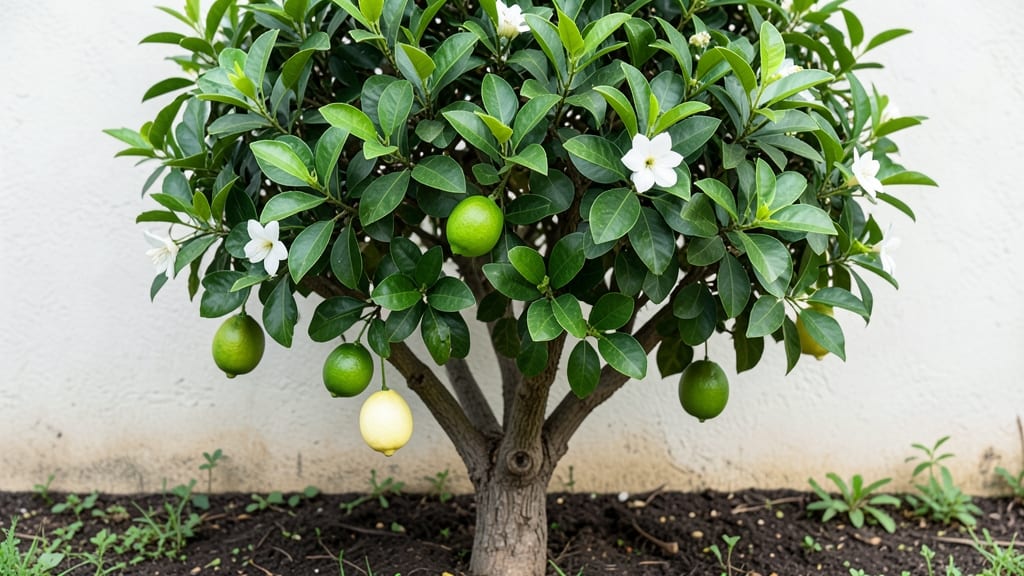
Your indoor lemon tree can produce fruit year-round with just three precision trims—no matter how small your apartment or how dim your windows. 🌱 The key is shaping growth in early spring, mid-summer, and late winter, which keeps the tree compact, healthy, and focused on producing those fragrant, tart lemons instead of wild, leggy branches.
Pruning isn’t about hacking away at your tree—it’s about encouraging the right growth. Start by removing any dead or crossing branches (they’re easy to spot: brown, brittle, or rubbing against others).
Then, cut back one-third of the longest stems to redirect energy toward fruit production. The goal? A balanced shape with plenty of sunlight reaching the inner leaves where those lemons form.
By late winter, you’ll see new shoots emerging where you pruned—these are your future fruit-bearing branches. A light trim then keeps the tree manageable and prevents it from becoming top-heavy.
With each cut, you’re not just shaping the tree; you’re training it to reward you with harvests that start as early as 2-3 years old (yes, even indoors!).
The best part? This method works for any citrus tree—even if your space has only a sunny windowsill or a grow light. The secret is consistency: three trims a year, a little patience, and soon you’ll be sipping fresh lemonade made from your own tree. Ready to get started?
📚 In This Guide
- What you need
- Instructions
- Tips and common mistakes
- Wrapping up and next steps
What you need
- ○ Pruning shears: Bypass pruners (sharp, 5-7” blades) for clean cuts—1 pair (e.g., Felco F-2 or Corona). Optional: Loppers (8-10”) for thicker branches.
- ● Disinfectant: 70% isopropyl alcohol or rubbing alcohol (small bottle) to sterilize tools between cuts.
- ● Gloves: Lightweight, breathable (e.g., nitrile-coated) to protect from sap and thorns—1 pair.
- ○ Pruning sealant: Optional but helpful (e.g., Tanglefoot Tree Wound Pruning Seal) for cuts >¼” thick—small tube.
- ● Healthy tree: Wait until your lemon tree is 1–2 years old (or post-first flowering) before heavy trimming.
- ● Light check: Ensure your tree gets 6+ hours of bright, indirect light daily (south/west-facing window or grow lights).
- ● Pot size: Confirm your pot has drainage holes and is 1–2 sizes larger than the root ball (e.g., 12–16” diameter for mature trees).
- ● Seasonal timing: Plan trims for late winter (dormant), early spring (post-flush), and summer (light shaping).
Step-by-Step indoor lemon tree pruning for year-round fruit
Here's how I keep my lemon tree productive and healthy with just three focused trims each year.
✂️ Step 1: Early Spring Cleanup Trim (Late February)
Start by removing all dead, diseased, or crossing branches first. I use sharp, clean pruners to make cuts at a 45-degree angle just above an outward-facing leaf node. This ensures new growth heads outward instead of inward, which keeps the tree open and airy.
Next, thin out crowded branches to improve airflow—aim for 6-8 inches between branches. You'll see the tree's natural structure emerge as you work. Never remove more than 25% of the foliage in one session, or you'll shock the tree and delay fruiting.
🌿 Step 2: Summer Growth Trim (Mid-July)
This is when you shape the tree for fruit production. Look for any branches growing toward the center of the tree and cut them back to an outward-facing bud. I also remove any suckers growing from the trunk or main branches—these saplings drain energy from fruit production.
Prune back any leggy growth that's stretching too far from the main trunk. You'll notice these branches are long and thin with sparse leaves. Cutting them back to a leaf node with 3-4 leaves remaining encourages bushier, more productive growth.
✂️ Step 3: Post-Harvest Winter Trim (Early January)
After you've harvested your lemons, it's time for a final light trim. Remove any branches that produced fruit this year—they've given their energy and won't produce again until next season. Cut them back to a strong lateral branch or the main trunk.
Also thin out any branches that are rubbing against each other. These create wounds that invite disease. Finally, give the tree a light shaping trim to maintain its overall form. You'll see the tree's framework clearly now that it's lost its leaves—this makes it easier to visualize where branches should go.
💧 Step 4: Year-Round Maintenance Checks (Monthly)
Between your major trims, do quick monthly checks for any branches that are growing in the wrong direction or becoming too crowded. A simple snip with clean pruners keeps the tree healthy. I also wipe down the branches with a damp cloth monthly to prevent fungal spores from taking hold in the small wounds.
Watch for new growth that appears after each trim—this is your signal that the tree is responding well. If you see only minimal new growth after a trim, the tree might need more light or nutrients. This is when I adjust my care routine to support recovery.
Tips & tricks for perfect indoor lemon tree pruning
Here's what nobody tells you about keeping your lemon tree thriving—these tricks have saved my trees from over-pruning disasters.
Tool Prep: Before you start cutting, sterilize your pruners with rubbing alcohol. I learned this the hard way after my tree developed fungal spots from dirty tools. Sharp, clean cuts heal faster and reduce disease risk—always wipe blades between cuts if you're working on multiple branches.
Seasonal Timing: The three trim schedule—late February, mid-July, and early January—isn't just arbitrary. Late February gives your tree time to recover before summer growth, mid-July shapes for fruit production, and early January cleans up after harvest. Never prune in fall (October-November) as new growth won't harden off before winter.
Visual Cues: When pruning leggy growth in Step 2, look for branches that are longer than 12 inches with sparse leaves. Cut back to a leaf node with 3-4 healthy leaves remaining—this creates bushier growth. The key is to leave enough foliage for photosynthesis while encouraging compact, productive branches.
Winter Prep: During your January trim, take a moment to examine the tree's structure. If you notice any branches growing straight up (called "water sprouts"), remove them completely. These vertical growers compete with fruit-bearing branches for energy and rarely produce lemons.
Pro Tips for Indoor Lemon Tree
- Here's what nobody tells you about keeping your lemon tree thriving—these tricks have saved my trees from over-prunin...
- Tool Prep: Before you start cutting, sterilize your pruners with rubbing alcohol. I learned this the hard way after m...
- Seasonal Timing: The three trim schedule—late February, mid-July, and early January—isn't just arbitrary. Late Februa...
Frequently asked questions
Got questions about keeping your indoor lemon tree thriving?
Here are answers to the most common concerns—from pruning tips to troubleshooting—so you can enjoy year-round citrus without the guesswork.
How often should I prune my indoor lemon tree?
Prune your indoor lemon tree 3 times a year (spring, summer, and early fall) to encourage bushier growth and better fruit production. Light trims between major prunings help maintain shape and airflow. Avoid heavy pruning in winter, as the tree enters dormancy.
Can I prune my lemon tree too much?
Yes! Over-pruning can stress your tree, leading to leaf drop or stunted growth. Never remove more than 25-30% of the foliage in a single session. Focus on selective cuts—trim dead, crossing, or overcrowded branches first, then shape as needed.
Why isn’t my lemon tree fruiting?
Lemon trees need full sun (6+ hours daily), consistent watering, and balanced fertilizer (high in nitrogen early, then potassium/phosphorus for blooms). If it’s not fruiting, check for lack of light, overwatering, or nutrient deficiencies. Patience helps—some trees take 2-3 years to bear fruit indoors!
What’s the best temperature for an indoor lemon tree?
Ideal temps range between 60–80°F (15–27°C). Avoid drafts (like AC vents) or sudden drops below 50°F (10°C), which can shock the tree. In winter, keep it away from cold windows or doors. A humidifier also helps prevent dry air issues.
Can I propagate my lemon tree from cuttings?
Take 4–6-inch cuttings from healthy, non-flowering branches. Dip the cut end in rooting hormone, plant in moist perlite or sand, and cover with a plastic bag to retain humidity. Keep in bright, indirect light until roots form (4–8 weeks). Patience is key—success rates vary!
Wrapping up and next steps
Growing an indoor lemon tree with precision trims isn’t just about aesthetics—it’s about unlocking its full potential year-round! 🌿 With the right tools, timing, and techniques, you’ll encourage lush growth, abundant blooms, and juicy lemons while keeping your tree healthy and compact.
Remember, consistency is key: stick to your spring, summer, and winter maintenance schedule to reap the rewards.
Ready to turn your citrus dream into reality? Start by reviewing your pruning plan—grab your tools, set a reminder for your next trim, and watch your lemon tree thrive! 🌟 Happy pruning!