
Container Gardens
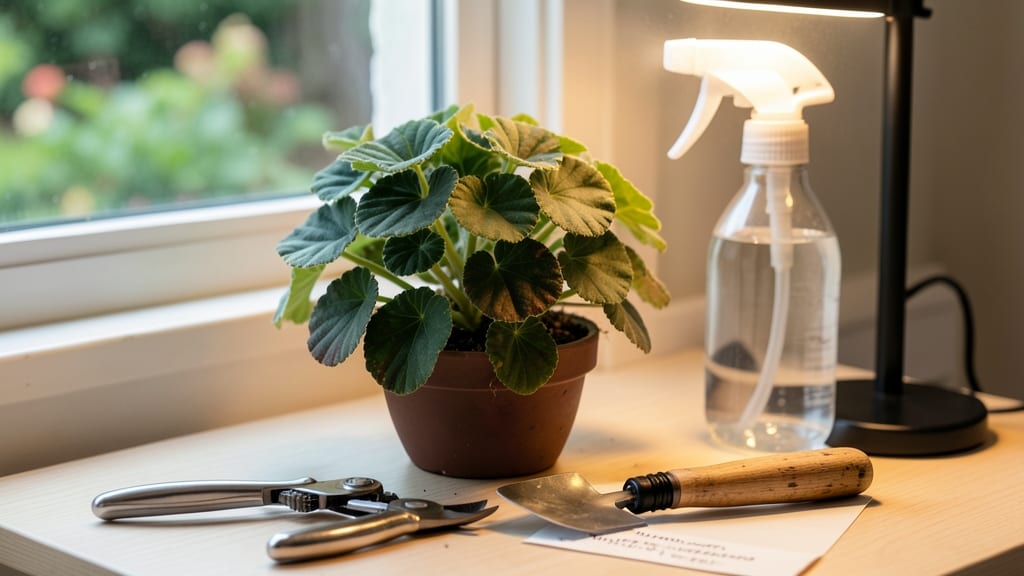
Winter over geraniums indoors by bringing them inside before the first frost—that’s the golden rule. 🌿 I learned this the hard way when my beloved zonal geraniums turned into frostbitten relics, but now I’ve perfected the process to keep them thriving year after year.
The key lies in timing, light, and a little strategic pruning to reset their growth for spring.
You’ll need a sunny window, a clean pot, and sharp pruning shears to trim back leggy stems by half. Geraniums hate damp roots, so well-draining soil and a pot with drainage holes are non-negotiable.
I swear by a south-facing window or a grow light if natural light falls short—these plants need at least 6 hours of bright light daily to avoid stretching and weakness.
With proper care, your geraniums will reward you with vibrant green growth by late winter, ready to burst into bloom when you bring them back outside. The secret?
Consistent watering (let the top inch dry out), occasional misting for humidity, and a cool but frost-free spot (around 50-60°F) to mimic their natural dormancy cycle.
Watch for pests like spider mites—isolate new plants until you’re sure they’re clean—and avoid overwatering, which is the #1 killer of indoor geraniums. By spring, you’ll have bushy, healthy plants that’ll outperform store-bought ones. Here’s how to make it happen without the guesswork!
📚 In This Guide
- What you need
- Instructions
- Tips and common mistakes
- Wrapping up and next steps
What you need
- ● Healthy geranium plants: Choose well-established, disease-free plants with 4–6 inches of stem growth.
- ● Pruning shears: Sharp, clean scissors or pruners (disinfect with rubbing alcohol before use).
- ● Containers: Well-draining pots (4–6 inches in diameter) with drainage holes.
- ● Fresh, lightweight potting mix (cactus/succulent mix or a blend with perlite/vermiculite for aeration).
- ● Grow lights or sunny window: South-facing window or a full-spectrum LED grow light (12–14 hours/day).
- ● Watering can with a narrow spout: For precise hydration (avoid soggy soil!).
- ● Fertilizer: Balanced, water-soluble fertilizer (e.g., 10-10-10) or slow-release granules (dilute to ½ strength).
- ○ Humidity tray or pebble tray (optional but helpful): To combat dry indoor air.
- ● Rooting hormone: Speeds up propagation if you’re taking cuttings.
- ● Insecticidal soap or neem oil: Preemptive pest control for spider mites or aphids.
- ● Thermometer/hygrometer: Monitor temperature (60–70°F) and humidity (40–50%).
- ● Support stakes or cages: For leggy stems that may need extra structure.
Step-by-Step instructions for wintering over geraniums indoors
Here's my foolproof method to keep your geraniums thriving through winter with minimal fuss.
✂️ Step 1: Prune Back to Encourage Bushy Growth
Start by cutting back each stem to about 3-4 inches above the soil line using clean, sharp pruners. This may seem drastic, but it forces the plant to focus energy on developing new, sturdy growth rather than maintaining old stems. I always sterilize my pruners with rubbing alcohol first—this prevents bacterial infections that can weaken the plant during dormancy.
Remove any yellow or brown leaves at the same time. These are already dead or dying and will only sap energy from the plant. You'll notice the stems look bare, but don't worry—this is exactly what you want. The plant will soon sprout fresh, vibrant shoots from the base. After pruning, give the plant a light watering to help it recover from the shock.
🪴 Step 2: Repot or Refresh Soil for Better Health
Check the roots for any signs of rot or disease. If the plant has been in the same pot for more than a year, it's time to repot into fresh, well-draining soil. I use a mix of 50% potting soil and 50% perlite to improve drainage and prevent root rot. Geraniums hate soggy roots, so this step is crucial for winter survival.
If you're not repotting, at least refresh the top 2 inches of soil with fresh potting mix. This removes any built-up salts or pathogens that could harm the plant over winter. After repotting or refreshing, water the plant thoroughly until water runs out the drainage holes. This ensures the roots are in contact with fresh, nutrient-rich soil as they begin their winter recovery.
☀️ Step 3: Provide Bright, Indirect Light
Geraniums need bright light for at least 6 hours daily to stay healthy over winter. A south-facing window is ideal, but if that's not available, supplement with a grow light placed 6-12 inches above the plant. I use a full-spectrum LED bulb because it mimics natural sunlight and prevents the leggy growth that often plagues indoor geraniums.
Watch for signs of light deficiency, like pale leaves or stems that stretch toward the window. If you see this, move the plant closer to the light source or increase the grow light's duration. A simple trick I use is to rotate the pot a quarter turn weekly—this ensures even growth and prevents the plant from leaning in one direction.
💧 Step 4: Adjust Watering for Winter Dormancy
Reduce watering significantly once the plant is established in its new pot. Water only when the top inch of soil feels dry to the touch. Overwatering is the number one killer of indoor geraniums during winter. I like to use a moisture meter to check soil dryness—it takes the guesswork out of watering and prevents root rot.
Keep the plant in a cool spot, ideally between 50-60°F. Avoid placing it near heat sources like radiators or vents, as this can dry out the soil too quickly and stress the plant. If the leaves start to yellow or drop, it's usually a sign of overwatering. Let the soil dry out more before watering again—geraniums are surprisingly drought-tolerant once they're established.
🌿 Step 5: Fertilize Lightly to Support New Growth
Start fertilizing again in early spring, about 6-8 weeks before you plan to move the geraniums back outdoors. Use a balanced, water-soluble fertilizer diluted to half strength. Too much fertilizer can burn the roots, especially in the cooler winter months. I fertilize every 4-6 weeks during this period to give the plant a gentle boost without overloading it.
Watch for new growth emerging from the base of the plant—this is your signal that the geranium is waking up from dormancy. Once you see 2-3 inches of new growth, you can gradually increase watering and fertilizing to prepare the plant for its return to outdoor conditions. This step ensures your geraniums will burst back to life in spring with vigor, not struggle to recover.
Tips & tricks for perfect indoor geranium winter care
These simple but game-changing strategies will help your geraniums survive winter looking lush and ready to bloom again in spring.
Pruning Precision: When cutting back stems to 3-4 inches in Step 1, look for the first set of healthy leaves just above where you'll make your cut. This ensures you're not removing all potential growth points. I've found that using a small notepad to sketch where I'll cut helps me visualize the final shape before making the snip—this prevents over-pruning. After cutting, immediately wipe your pruners with rubbing alcohol to prevent cross-contamination between plants.
Soil Refresh Strategy: In Step 2, if you're refreshing rather than repotting, don't just scrape off the top 2 inches—gently loosen the soil around the edges first. This helps break up any compacted layers that could hinder root growth. I like to mix in a handful of perlite directly into the existing soil when refreshing, which improves aeration without requiring a full repot. This small addition makes a surprisingly big difference in winter survival rates.
Light Optimization: For the critical 6 hours of light in Step 3, consider using a timer for your grow light if you're supplementing. Set it to come on for 4 hours in the morning and 2 hours in the evening to mimic natural daylight patterns. This prevents the leggy growth that occurs when plants get too much artificial light at once. I've also found that placing a white reflective panel behind the plant doubles the effective light exposure without needing a more powerful bulb.
Watering Wisdom: The "top inch dry" rule in Step 4 works best when you check soil moisture at the same time each day. I use my finger to test—insert it about an inch deep and feel for dryness. If you're unsure, stick with the moisture meter until you develop a feel for it. Remember that geraniums in cooler environments (50-60°F) will need water even less frequently than those in warmer spots, so always adjust based on your specific conditions.
Pro Tips for Winter Over Geraniums Indoors
- These simple but game-changing strategies will help your geraniums survive winter looking lush and ready to bloom aga...
- Pruning Precision: When cutting back stems to 3-4 inches in Step 1, look for the first set of healthy leaves just abo...
- Soil Refresh Strategy: In Step 2, if you're refreshing rather than repotting, don't just scrape off the top 2 inches—...
Frequently asked questions
Got questions about keeping your geraniums thriving indoors this winter? You’re not alone! Here are some of the most common concerns—and easy solutions—to help you master winter-over success.
When is the best time to bring geraniums indoors?
Start moving potted geraniums indoors before the first frost (usually late summer to early fall, depending on your climate). Look for signs like yellowing leaves or cooler nights—these signal it’s time to protect them. If left too late, cold damage can set in, making recovery harder. Pro tip: A gentle transition (like a week of shade outdoors) helps them adjust to indoor light.
Do I need to prune geraniums before wintering them over?
Yes! Prune one-third of the plant just before bringing them inside. This removes leggy growth, encourages bushier regrowth in spring, and reduces stress. Use clean scissors to snip just above a leaf node. Skip pruning if your geraniums are already struggling—focus on light and care first.
How much light do indoor geraniums really need?
Geraniums need 6–8 hours of bright, indirect light daily—a south- or west-facing window is ideal. If light is dim, supplement with a grow light (12–14 hours/day). Watch for leggy stems or pale leaves—these are red flags for insufficient light. Rotate pots weekly for even growth.
Why are my geraniums dropping leaves indoors?
Leaf drop is usually due to low humidity, drafts, or overwatering. Place pots on a tray of pebbles with water (but no standing water) to boost humidity. Avoid cold drafts (like near doors/windows) and let the top inch of soil dry out between waterings. Yellow leaves? That’s normal—focus on new growth in spring!
Can I keep geraniums indoors year-round instead of wintering them?
Technically yes, but they’ll likely lose their vigor without a dormant period. Geraniums thrive with seasonal rest—pruning and reduced watering in winter mimics their natural cycle. If you skip wintering, expect slower growth, fewer blooms, and weaker stems. Think of it like hibernation for your plants!
How do I prevent pests on indoor geraniums?
Watch for spider mites, aphids, or whiteflies—common indoor pests. Isolate new plants for a week, and wipe leaves with a neem oil solution (1 tsp oil + 1 quart water) if you spot bugs. Increase humidity (as above) to deter mites. Prevention tip: Inspect leaves weekly and remove damaged foliage promptly.
Wrapping up and next steps
Wintering over your geraniums indoors is totally doable—and rewarding! With the right pruning, bright light, and a little TLC, you’ll wake up to vibrant blooms come spring. Remember: patience and consistency are key, so don’t rush the process.
Now that you’re armed with these secrets, why not give it a try? Grab your shears, find that sunny windowsill, and let your geraniums thrive. Next up: share your progress or ask questions in our container gardening community—we’d love to see (and cheer on!) your indoor green thumb!