
Container Gardens
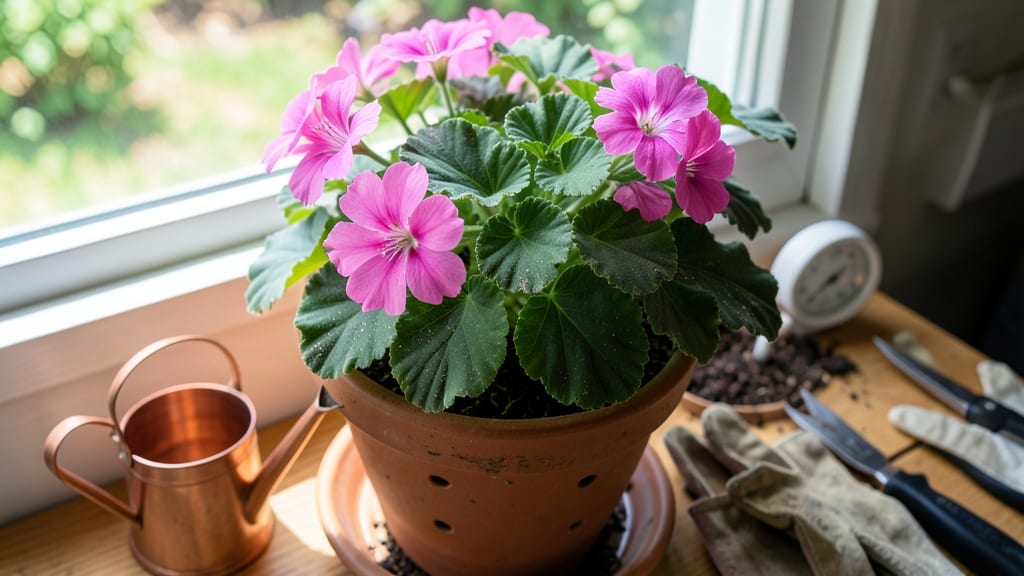
Bringing geraniums indoors for winter saves your plants—and your wallet—from losing those vibrant blooms. 🌿 I’ve rescued more than a few geraniums from the cold by following a simple routine that keeps them thriving until spring. The key? Light, timing, and a little patience.
Start by selecting healthy plants with firm stems and no signs of pests.
Move them indoors before the first frost, ideally in late September or early October, when temperatures dip below 50°F. Choose a bright spot near a south- or west-facing window where they’ll get at least 6 hours of sunlight daily—geraniums hate dim corners.
Cut back leggy stems by one-third to encourage bushier growth, and reduce watering to keep soil lightly moist (overwatering is the #1 killer indoors). Watch for spider mites or aphids—isolate affected plants and treat with neem oil if needed.
With the right care, your geraniums will reward you with fresh blooms come spring.
Pro tip: Group plants together to boost humidity and mist leaves occasionally (but avoid soggy soil). Prune again in late winter to shape them for the new season. Your winter prep now means bold, healthy geraniums ready to burst back into color by May.
📚 In This Guide
- What you need
- Instructions
- Tips and common mistakes
- Wrapping up and next steps
What you need
- ● Geranium plants: Healthy, pest-free plants (1-10, depending on your collection). Choose zonal, ivy, or regal geraniums—these handle indoor conditions best!
- ● Clean containers: Pots with drainage holes (slightly larger than the current pots, 6–12 inches in diameter). Terracotta or ceramic works best for airflow.
- ● Fresh potting mix: Well-draining, sterilized soil blend (e.g., 60% peat moss, 30% perlite, 10% sand). Avoid garden soil—it’s too dense!
- ● Pruning shears: Sharp, clean scissors or shears (disinfect with rubbing alcohol before use).
- ● Spray bottle: For misting (16 oz or larger).
- ○ Grow lights (optional but recommended): LED or fluorescent lights (12–16 inches above plants, 12–14 hours/day).
- ● Fungicide: Copper-based or neem oil spray (to prevent mold/mildew).
- ● Humidity tray: A shallow tray with pebbles and water (to boost moisture in dry indoor air).
- ● Plant food: Balanced liquid fertilizer (diluted to ½ strength, e.g., 10-10-10).
- ● Thermometer/hygrometer: To monitor temps (ideal: 60–65°F) and humidity (40–50%).
- ● Decorative pots: Outer decorative pots (ensure they fit inside your primary pots for easy drainage!).
Step-by-Step instructions for bringing geraniums indoors for winter
Here's how I keep my geraniums thriving through winter—no wilting, no pests, just healthy growth ready for spring.
🪴 Step 1: Time the Move Before Frost Hits
Geraniums need time to adjust, so bring them in 2-3 weeks before your first frost—usually mid-to-late fall. You'll see the first cold nights trigger their natural dormancy, but they still need gradual acclimation. I check my local frost date and count backward, then start monitoring the plants for signs of stress like yellowing leaves or slowed growth.
Choose a calm, overcast day to move them. Bright sunlight on a cold morning can shock the plants, so wait until afternoon if you're moving them from outside to a car or garage. This gives them time to adjust before the bigger transition indoors.
✂️ Step 2: Prune and Inspect for Pests
Trim back the stems by about one-third to remove leggy growth and encourage bushier regrowth indoors. Use clean, sharp scissors to make cuts just above a leaf node. This also helps you spot pests like spider mites or aphids that might hitch a ride inside. I always give the stems a quick rinse under lukewarm water to wash away any hidden critters.
Remove any yellow or brown leaves—they’re just dead weight and can harbor disease. If you find pests, isolate the plant and treat it with neem oil or insecticidal soap before bringing it indoors. This prevents an infestation from spreading to your other houseplants.
☀️ Step 3: Acclimate to Indoor Light Gradually
Don’t just plop geraniums in a dark corner—they need bright, indirect light to survive winter. Start by placing them near a south- or west-facing window where they’ll get at least 6 hours of light daily. You’ll notice the leaves turning pale or stretching toward the light if they’re not getting enough, so adjust their position if needed.
If your home is dim, supplement with a grow light for 12-14 hours a day. Keep the light 6-12 inches above the plants and raise it as they grow. Avoid drafts from windows or vents, which can cause sudden temperature swings that stress the plants.
💧 Step 4: Adjust Watering for Winter Dormancy
Geraniums slow down in winter, so water only when the top inch of soil feels dry. Overwatering is the #1 killer—roots rot quickly in cool indoor air. I stick my finger in the soil to check; if it’s damp, wait another day. Underwatering is better than soggy soil, but don’t let the leaves crisp or wilt.
Reduce fertilizer to half-strength every 6-8 weeks during dormancy. Too much food encourages weak growth when the plant is resting. A light misting of the leaves occasionally helps combat dry indoor air, but avoid getting water on the foliage if humidity is already high.
🌱 Step 5: Monitor and Prepare for Spring Revival
Check your geraniums weekly for signs of stress—yellowing leaves, leggy stems, or mold on the soil. If you see buds forming in late winter, that’s a great sign! Increase watering slightly and resume regular feeding when you see new growth in early spring. This is when they’ll start pushing out fresh leaves and flowers.
Around late February or early March, move them back outside for a few hours daily to harden off. Start with a shaded spot and gradually increase sun exposure. By the time frost risk has passed, they’ll be ready to thrive in their outdoor home again.
Tips & tricks for perfect winter geranium care
Keeping geraniums alive through winter takes a little strategy—but these tricks will help you avoid the most common pitfalls and keep your plants thriving until spring.
Timing is Everything: The 2-3 week window before frost isn't just about avoiding cold—it's about giving your plants time to adjust. I've seen geraniums brought in too early struggle with shock, while those moved too late often suffer from frost damage. Check your local frost date and count backward, then watch for the first signs of stress like yellowing leaves or slowed growth. This gradual transition helps them prepare for the big change indoors.
Pruning for Success: When you trim those stems by one-third in Step 2, you're not just cleaning up—you're encouraging bushier growth. Make clean cuts just above a leaf node with sharp scissors, and don't forget to inspect for pests during this process. I've caught spider mites this way before they could spread. A quick rinse with lukewarm water helps remove any hidden pests that might hitch a ride inside.
Light Matters More Than You Think: That 6 hours of daily light in Step 3 is non-negotiable for winter survival. If your geraniums start stretching toward the light or developing pale leaves, they're begging for more. I've had to move mine twice before finding the perfect south-facing window spot. And if your home is particularly dim, a grow light for 12-14 hours daily can make all the difference—just keep it 6-12 inches above the plants.
Watering Wisdom: The "wait until the top inch is dry" rule in Step 4 is crucial—overwatering is the #1 winter killer. I've learned the hard way that soggy soil leads to root rot, especially in cool indoor air. Use your finger to check moisture levels, and remember that geraniums slow down in winter, so they need less frequent watering. A light misting occasionally helps combat dry indoor air, but avoid getting water on the leaves if humidity is already high.
Pro Tips for Bringing Geraniums Indoors For Winter
- Keeping geraniums alive through winter takes a little strategy—but these tricks will help you avoid the most common p...
- Timing is Everything: The 2-3 week window before frost isn't just about avoiding cold—it's about giving your plants t...
- Pruning for Success: When you trim those stems by one-third in Step 2, you're not just cleaning up—you're encouraging...
Frequently asked questions
about bringing geraniums indoors for winter—because even the toughest gardeners need a little clarity!When is the best time to bring geraniums inside?
Start moving geraniums indoors before the first frost—typically late September to early November, depending on your climate. Wait too long, and the cold can damage leaves or roots. A good rule of thumb: Bring them in when nighttime temps drop below 50°F (10°C) consistently.
How long can geraniums stay indoors?
Geraniums thrive indoors for 3–5 months (winter season). After that, they may become leggy or weak. To revive them for spring, prune back ⅓ of the plant and provide bright light. If they’re past saving, treat them as annuals and replant fresh geraniums in spring!
What if my geraniums get pests indoors?
Indoor pests like spider mites or aphids are common. Isolate affected plants immediately and treat with:
- Neem oil spray (mix 1 tsp neem oil + 1 tsp mild soap + 1 quart water)
- Insecticidal soap for soft-bodied bugs
- A strong blast of water to knock off pests
Can I keep geraniums in a basement or garage?
No!
Basements and garages are too cold (<40°F/4°C) and lack light—geraniums need bright, indirect light (6+ hours/day) and temps between 55–65°F (13–18°C). A sunroom, covered porch, or even a south-facing window works best. If natural light is limited, supplement with a grow light 12–14 hours/day.
What if my geraniums look sad after winter?
Don’t worry! Leggy stems or yellow leaves are normal. Revive them by:
- Pruning back all stems to 3–4 inches
- Repotting in fresh, well-draining soil
- Fertilizing lightly with a half-strength balanced fertilizer
- Moving to a sunnier spot outdoors in spring
Wrapping up and next steps
Bringing your geraniums indoors for winter doesn’t have to be stressful—with the right prep, they’ll thrive and reward you with vibrant blooms next spring! 🌿 Whether you’re a seasoned gardener or a newbie, patience and consistency are your best tools.
Now that you’re armed with tips on light, humidity, and care, take that next step: schedule a quick check-in every few weeks to adjust their environment as needed.
Your geraniums will thank you—and so will your spring garden! 🌸 Happy overwintering!