
Container Gardens
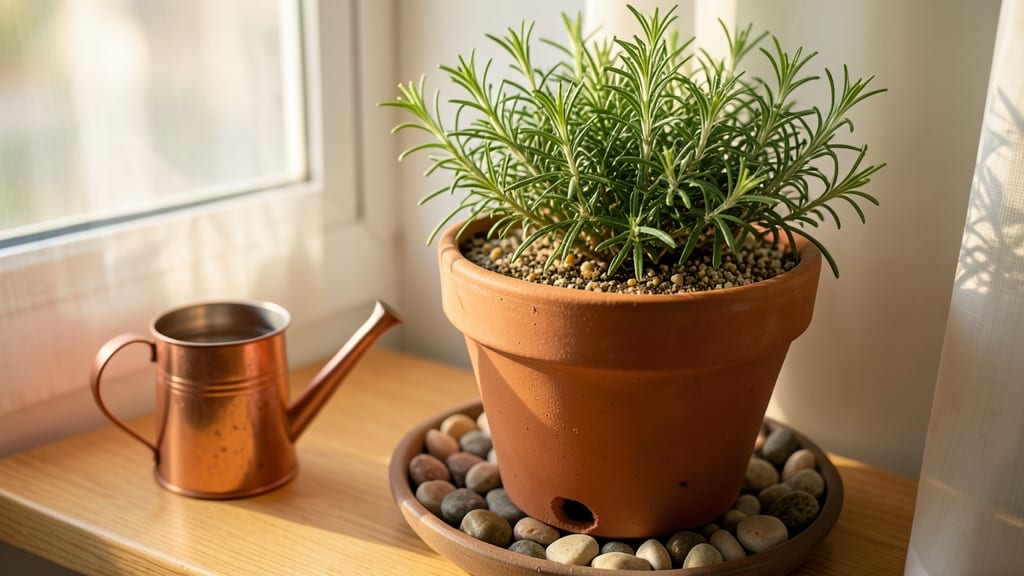
How to take care of rosemary indoors turns your kitchen windowsill into a fragrant herb garden that never wilts. 🌿 I’ve kept mine alive for years by mimicking its Mediterranean roots—bright light, dry soil, and just enough water to keep it happy without drowning it. The secret isn’t complicated, but one wrong move (looking at you, overwatering) can turn your herb into a sad, brown stick.
Rosemary thrives in a 6-inch pot with drainage holes and a mix of potting soil and perlite—this keeps roots from sitting in soggy conditions. Place it near the sunniest window (south- or west-facing is ideal), where it gets at least 4-6 hours of light daily.
If your home is dim, a grow light for 12-14 hours a day will save your plant from stretching leggy and weak. Humidity isn’t a big deal, but a quick misting in winter helps when indoor air gets dry.
Water only when the top inch of soil feels dry—once every 1-2 weeks—and always use room-temperature water. Prune back woody stems in early spring to encourage fresh growth, and pinch off flowers to keep energy focused on leaves.
With these basics, you’ll harvest fragrant sprigs all year, perfect for seasoning roasts or garnishing cocktails. The best part? No greenhouse or gardening degree required.
Seasonal tweaks make all the difference: in summer, move it outside for a few hours to harden off, and in winter, reduce watering since growth slows. Watch for yellowing leaves (overwatering) or brown tips (low humidity), and adjust quickly.
Before you know it, your rosemary will be so lush, neighbors will ask for cuttings. Let’s get yours thriving!
📚 In This Guide
- What you need
- Instructions
- Tips and common mistakes
- Wrapping up and next steps
What you need
- ● Rosemary plant: A healthy 4-6 inch cutting (from a mature plant) or a nursery-grown seedling in a 4-6 inch pot.
- ● Well-draining potting mix: A cactus or succulent mix (or a blend of 60% potting soil + 40% perlite/pumice) to prevent root rot. Quantity: Enough to fill your chosen pot (typically 1-2 gallons for a small plant).
- ● Container: A pot with drainage holes (terracotta or ceramic) and a diameter of at least 6-8 inches. Pro tip: Ensure it’s no deeper than 8 inches—rosemary dislikes soggy roots! 🌡️
- ● Watering can or spray bottle: For gentle hydration (avoid overwatering!).
- ● Pruning shears or clean scissors: To trim leggy growth and encourage bushiness.
- ○ Grow lights (optional but helpful): A full-spectrum LED grow light (12-16 inches above the plant) if natural light is low-intensity.
- ● Humidity tray: A shallow tray with pebbles and water to boost air moisture (especially in dry climates).
- ● Fertilizer: A balanced liquid fertilizer (diluted to half-strength) or organic compost tea every 4-6 weeks.
- ● Self-watering pot: For consistent moisture without overwatering.
- ● Plant labels: To track watering schedules and pruning dates!
Step-by-Step guide to caring for rosemary indoors
Here’s how I keep my rosemary thriving year-round—even in low-light spaces.
🪴 Step 1: Select the Right Pot and Soil
Rosemary hates soggy roots, so choose a pot with drainage holes and fill it with a well-draining, sandy potting mix. I use a terracotta pot because it breathes and prevents moisture buildup. The pot should be slightly larger than the root ball—too much extra space encourages overwatering.
If your soil mix isn’t sandy, blend in perlite or coarse sand to improve drainage. Rosemary prefers slightly dry conditions, so a mix that drains quickly is key. Avoid garden soil or heavy potting mixes—they’ll suffocate the roots and lead to rot.
☀️ Step 2: Position for Light and Temperature
Place your rosemary in the brightest spot you have, ideally near a south-facing window where it gets at least 6 hours of sunlight daily. If natural light is limited, supplement with a grow light for 12-14 hours a day. You’ll know it’s getting enough light when the leaves stay a vibrant green—yellowing or stretching means it needs more.
Keep the temperature between 60-75°F—rosemary tolerates cooler temps better than heat. Avoid drafts or sudden temperature swings, which can stress the plant. If your home runs dry in winter, use a pebble tray with water beneath the pot to add humidity without overwatering.
💧 Step 3: Water Sparingly and Check Soil Moisture
Water only when the top 1-2 inches of soil feel completely dry. Stick your finger in the soil—if it’s damp, wait another day. Overwatering is the fastest way to kill rosemary, so I water deeply but infrequently. Let excess water drain completely from the pot to prevent root rot.
In winter, reduce watering to every 2-3 weeks unless your home is very dry. A good rule of thumb: if the leaves look crispy at the edges, it’s thirsty; if they’re yellowing, it’s getting too much water. Adjust based on your home’s humidity and temperature.
✂️ Step 4: Prune and Encourage Bushy Growth
Trim back leggy stems in early spring to encourage new growth. Use clean scissors to snip just above a leaf node—this is where new branches will sprout. I prune mine by one-third to keep them compact and prevent woody stems. Regular pruning also makes the plant bushier and more productive.
Harvest sprigs from the top or sides, but never take more than one-third of the plant at a time. This keeps the rosemary healthy and encourages fuller growth. After harvesting, give the plant a light watering if the soil feels dry, but don’t overdo it—rosemary prefers to be on the drier side.
🌿 Step 5: Monitor for Pests and Adjust Care
Check the undersides of leaves weekly for spider mites or aphids—common indoor pests. If you spot them, wipe the leaves with a damp cloth or spray with neem oil (diluted per package instructions). Rosemary is generally pest-resistant, but stress from overwatering or low light can invite problems.
If the leaves start dropping or turning brown, it’s usually a sign of overwatering or low humidity. Move the plant to a brighter spot, reduce watering, and consider adding a humidifier nearby. With the right care, your rosemary will stay lush and fragrant for years.
Tips & tricks for perfect indoor rosemary care
Keeping rosemary thriving indoors takes a few key tricks that make all the difference—especially when light is limited.
Pot Selection Matters: I’ve found that terracotta pots are ideal because they wick away moisture, which rosemary absolutely hates. If you don’t have terracotta, any pot with drainage holes will work, but avoid plastic containers—they trap moisture and can lead to root rot. The pot should be just slightly larger than the root ball, never oversized, or you’ll risk overwatering.
Light Hack for Low-Light Spaces: If your rosemary isn’t getting the required 6 hours of sunlight daily, supplement with a grow light placed 6-12 inches above the plant for 12-14 hours a day. I use a simple LED grow bulb on a timer—it’s affordable and makes a huge difference. Watch for leaves stretching toward the light (a sign it needs more), and adjust the light position accordingly.
Watering Wisdom: The "top 1-2 inches dry" rule is critical, but here’s the secret: I use my finger to check moisture at the same time every week. If the soil feels damp at that depth, I wait another day. In winter, I reduce watering to every 2-3 weeks unless my home is particularly dry. Overwatering is the #1 killer of indoor rosemary—trust me, I’ve learned this the hard way!
Pruning for Productivity: When you prune those leggy stems in Step 4, focus on cutting just above a leaf node where new growth will sprout. This isn’t just about aesthetics—it’s about encouraging bushier, more productive growth. I prune mine by one-third in early spring, and within weeks, I see fresh new shoots. Pro tip: Use clean scissors to avoid spreading disease, and never take more than one-third at once.
Pro Tips for Take Care Of Rosemary Indoors
- Keeping rosemary thriving indoors takes a few key tricks that make all the difference—especially when light is limited.
- Pot Selection Matters: I’ve found that terracotta pots are ideal because they wick away moisture, which rosemary abso...
- Light Hack for Low-Light Spaces: If your rosemary isn’t getting the required 6 hours of sunlight daily, supplement wi...
Frequently asked questions
How much light does rosemary need indoors?
Rosemary thrives with 6–8 hours of bright, indirect light daily. A south- or west-facing window is ideal, but supplement with a grow light (12–14 hours/day) if natural light is limited. Watch for leggy growth or pale leaves—this means it’s craving more light!
How often should I water indoor rosemary?
Water only when the top 1–2 inches of soil feel dry (about every 1–2 weeks). Overwatering is the #1 killer—rosemary hates soggy roots! Use well-draining soil and a pot with drainage holes to prevent rot.
Can I grow rosemary indoors without a sunny window?
Yes! If your space lacks sunlight, a full-spectrum LED grow light (like a clip-on bulb) works wonders. Place the pot 6–12 inches from the light and keep it on for 12–14 hours/day. Just avoid cold drafts—rosemary hates temperature swings!
Why are my rosemary leaves turning yellow or brown?
Yellow leaves often mean overwatering or poor drainage, while brown tips signal low humidity or fluoride in tap water. Try these fixes:
- Let soil dry completely between waterings.
- Use filtered or distilled water.
- Mist leaves occasionally (but avoid soggy soil!).
How do I prune indoor rosemary to keep it bushy?
Prune in early spring by snipping just above a leaf node (where leaves meet stems) to encourage branching. Trim back 1/3 of the plant if it’s leggy, and use the cuttings for cooking! Never prune more than 1/3 at once—rosemary recovers slowly.
Can I keep harvesting rosemary indoors?
Harvest sparingly (never more than 1/3 of the plant at a time) from the tips of stems to encourage new growth. Avoid stripping leaves—this stresses the plant. Pro tip: Use fresh sprigs in cooking or dry them for later!
Wrapping up and next steps
Caring for rosemary indoors is easier than you think—just a little light, love, and consistency! With the right pot, soil, and placement, your herb can thrive even in cozy corners.
Don’t let past struggles discourage you; every prune and pinch brings you closer to a lush, fragrant plant ready for cooking or gifting.
Now that you’re armed with tips, try your hand at propagating a cutting or experimenting with companion plants like thyme. Happy growing—your kitchen (and taste buds) will thank you! 🌿✨