
Planting
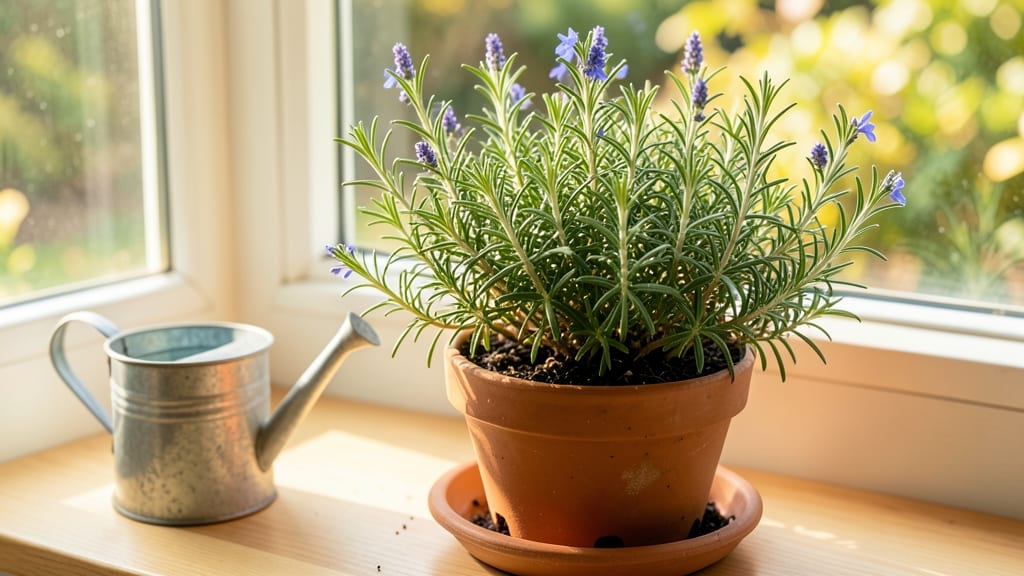
How to take care of the rosemary plant indoors turns your kitchen into a fragrant herb garden that never quits. ✨ The key lies in mimicking its Mediterranean roots—bright light, minimal water, and just enough humidity to keep it happy. My first rosemary plant died from overwatering, but now I’ve got three thriving bushes on my windowsill, ready to snip whenever I need fresh flavor.
Rosemary needs at least 6-8 hours of sunlight daily, so place it near a south-facing window or use a grow light if natural light is weak. A well-draining potting mix and a container with drainage holes prevent soggy roots, while occasional pruning keeps it bushy and encourages new growth.
The trick is to water only when the top inch of soil feels dry—overwatering is the #1 killer of indoor rosemary.
You’ll know you’re doing it right when your plant stays lush and aromatic, with needle-like leaves that smell like a sunny Provence afternoon. A light misting or pebble tray adds humidity, especially in dry winter air, and a monthly dose of diluted fertilizer keeps it vigorous.
With these simple steps, your rosemary will stay productive for years—no greenhouse required.
Even if you’ve killed rosemary before, this method works. Start with a small pot, keep it bright, and water sparingly. Before you know it, you’ll have a kitchen herb that’s more reliable than store-bought and way more fragrant. Let’s get growing!
📚 In This Guide
- What you need
- Instructions
- Tips and common mistakes
- Wrapping up and next steps
What you need
- ● Rosemary plant: Start with a healthy Rosmarinus officinalis (upright or prostrate varieties work well). A 4-6 inch pot-sized plant is ideal for beginners.
- ● Pot: A terracotta or ceramic pot (8-12 inches in diameter) with drainage holes—rosemary hates soggy roots! 🚫💦
- ● Well-draining potting mix: A blend of cactus/succulent mix (50%) + perlite/pumice (30%) + coarse sand (20%) keeps roots aerated.
- ● Gravel or pebbles: A 1-inch layer at the bottom of the pot for extra drainage.
- ● Watering can with a narrow spout: For precise hydration (avoid overhead watering!).
- ○ Humidity tray (optional but helpful): A shallow tray with pebbles and water to boost humidity in dry indoor air.
- ● Pruning shears or clean scissors: For trimming leggy growth (sterilize with rubbing alcohol!).
- ● Grow lights: A full-spectrum LED grow light (12-16 hrs/day) if natural light is limited (south-facing window is best!).
- ● Fertilizer: A balanced liquid fertilizer (5-5-5 or 10-10-10) diluted to half-strength, used every 4-6 weeks in spring/summer.
- ● Mulch (gravel or decorative stones): To retain moisture and deter weeds (rosemary dislikes organic mulch!).
- ● Spray bottle: For occasional misting (though rosemary prefers drier air!).
Step-by-step instructions for caring for indoor rosemary
Rosemary thrives indoors with the right balance of light, soil, and patience—here’s how to keep yours lush and fragrant.
🌱 Step 1: Place in Bright, Indirect Light
Rosemary needs 6+ hours of bright light daily, but direct midday sun scorches its leaves. A south- or west-facing window is ideal, but if that’s not available, supplement with a grow light kept 6-12 inches away for 12-14 hours a day. You’ll know it’s getting enough light when the leaves stay deep green and compact—if they turn pale or stretch, move it closer to the light source.
Rotate the pot quarter-turn weekly so the plant grows evenly. I’ve seen rosemary lean toward windows like a sunflower, but consistent rotation keeps it bushy. Avoid drafty spots—cold air weakens the plant’s resilience.
💧 Step 2: Water Sparingly but Deeply
Rosemary hates soggy soil—water only when the top 1-2 inches feel dry to touch. Stick your finger in the soil; if it’s damp, wait another day. When you do water, soak the soil thoroughly until water drains from the bottom. Empty the saucer afterward to prevent root rot. Overwatering is the #1 killer of indoor rosemary, so err on the side of dryness.
Mist the leaves occasionally (about once a week) to mimic humidity, but avoid soggy foliage. Yellowing leaves often mean overwatering, while crispy edges signal underwatering. Adjust your watering schedule based on your home’s humidity—dry air means more frequent checks.
☀️ Step 3: Use Well-Draining Soil and a Pot with Drainage
Rosemary roots need air—use a lightweight potting mix (like cactus or succulent soil) mixed with perlite or sand for drainage. A terracotta pot (unglazed) helps wick away excess moisture, but any container with drainage holes works. If repotting, choose a pot only 1-2 inches larger in diameter than the current one—too much space encourages root rot.
Refresh the soil every 1-2 years with fresh mix, as rosemary depletes nutrients quickly. I top-dress mine with a thin layer of compost in spring to give it a gentle boost without overfeeding.
✂️ Step 4: Prune Regularly to Encourage Bushiness
Trim back 1/3 of the plant’s length in early spring to encourage new growth. Use clean bypass pruners to snip just above a leaf node (the bump where leaves grow). This prevents legginess and keeps the plant full. You can also pinch off flower buds—they drain energy from the leaves, which is where the flavor lives.
Harvest sprigs as needed by snipping just above a leaf node. Use the fresh leaves in cooking or dry them for later. Pruning isn’t just for looks—it keeps your rosemary compact, flavorful, and healthy for years.
🌿 Step 5: Fertilize Lightly in Growing Season
Feed your rosemary once a month in spring and summer with a balanced, water-soluble fertilizer (like 10-10-10) diluted to half-strength. Over-fertilizing burns roots, so skip it in fall and winter when growth slows. I mix mine into the watering can for even distribution—never let fertilizer sit on the soil surface.
Watch for salt buildup (white crust on soil) if you fertilize too often. Flush the soil occasionally by watering until it runs clear from the drainage holes to keep roots happy.
Tips & tricks for perfect indoor rosemary care
Between us, rosemary might seem high-maintenance—but it’s actually one of the toughest herbs to keep alive once you nail these key details.
Light Strategy: If your windows aren't ideal, consider a full-spectrum LED grow light placed 6-12 inches away for the full 12-14 hours daily. I've seen rosemary grow beautifully under these lights when natural light falls short—just make sure it's not too close to avoid heat stress. The key is replicating that bright Mediterranean sunlight without the harsh midday burn.
Watering Hack: Use a moisture meter to check soil dryness instead of guessing. I've ruined rosemary plants by overwatering when I thought they were dry—stick your finger 1-2 inches down and only water when it feels completely dry. For extra insurance, place your pot on a saucer with pebbles and water to create humidity without soggy soil.
Soil Refresh: When refreshing soil every 1-2 years, mix in 10% worm castings with your cactus soil blend. This gives a natural nutrient boost without the risk of over-fertilizing. I do this in early spring right after my first pruning—it jumpstarts growth perfectly. Just avoid heavy garden soil, which compacts and suffocates rosemary roots.
Pruning Timing: The best time to trim back 1/3 of the plant is actually late winter just before new growth starts. This gives your rosemary a strong foundation for spring. I've found that pruning too late in the season can stimulate new growth that won't harden off before winter, leaving tender new shoots vulnerable to cold drafts.
Pro Tips for Take Care Of Rosemary Plant Indoors
- Between us, rosemary might seem high-maintenance—but it’s actually one of the toughest herbs to keep alive once you n...
- Light Strategy: If your windows aren't ideal, consider a full-spectrum LED grow light placed 6-12 inches away for the...
- Watering Hack: Use a moisture meter to check soil dryness instead of guessing. I've ruined rosemary plants by overwat...
Frequently asked questions
Got questions about keeping your rosemary plant happy indoors? Here are some of the most common ones—and their easy fixes!
Can rosemary survive indoors long-term without sunlight?
Rosemary is sun-loving, so while it can survive short-term with <6 hours of light, it’ll eventually struggle. Use a grow light (12–16 hrs/day) or place it near a south-facing window. If leaves turn yellow or drop, it’s a sign of insufficient light. Pro tip: Rotate the pot weekly for even growth!
How often should I trim my indoor rosemary?
Trim regularly to encourage bushiness and prevent legginess—cut back by 1/3 in spring and lightly prune after harvesting. Avoid over-trimming in winter (its dormant season). Key areas: Pinch new growth tips and shape the plant to avoid a "spindly" look.
Why is my rosemary’s soil always dry, even after watering?
Rosemary hates soggy roots! If the soil dries too fast, it’s likely overpotted or in low-quality soil. Switch to a well-draining mix (cactus/succulent blend + perlite) and use a pot with drainage holes. Water only when the top 2 inches are dry—never let it sit in water.
Can I grow rosemary from a grocery store bunch?
Snip a 3–4 inch stem, strip lower leaves, and place it in water or moist soil. Keep it in bright, indirect light and wait 2–4 weeks for roots. Once rooted, transplant to a pot with draining soil. Bonus: This method works for other herbs too!
What pests should I watch for on indoor rosemary?
Common culprits: spider mites (tiny webs) and aphids (sticky residue). Treat early with neem oil or insecticidal soap. Prevent them: Wipe leaves with a damp cloth weekly and avoid overwatering. Yellowing leaves? Could also signal root rot—check the soil!
Does rosemary need humidity, or is it fine in dry air?
Rosemary tolerates dry air better than most herbs, but it thrives in 40–60% humidity. If your home is very dry (e.g., heated indoors), mist leaves occasionally or place the pot on a pebble tray with water. Avoid soggy trays—just keep the air around it slightly moist.
Wrapping up and next steps
Caring for rosemary indoors is easier than you think—just a little light, love, and the right balance of humidity will have your plant thriving in no time! 🌿 With these simple steps, you’ll enjoy fresh rosemary for cooking, aromatherapy, or just the joy of watching it grow.
Ready to take the next step?
Next up: Try propagating a cutting or experimenting with different recipes using your homegrown rosemary—your kitchen (and plants!) will thank you! 🍽️