
Blooming
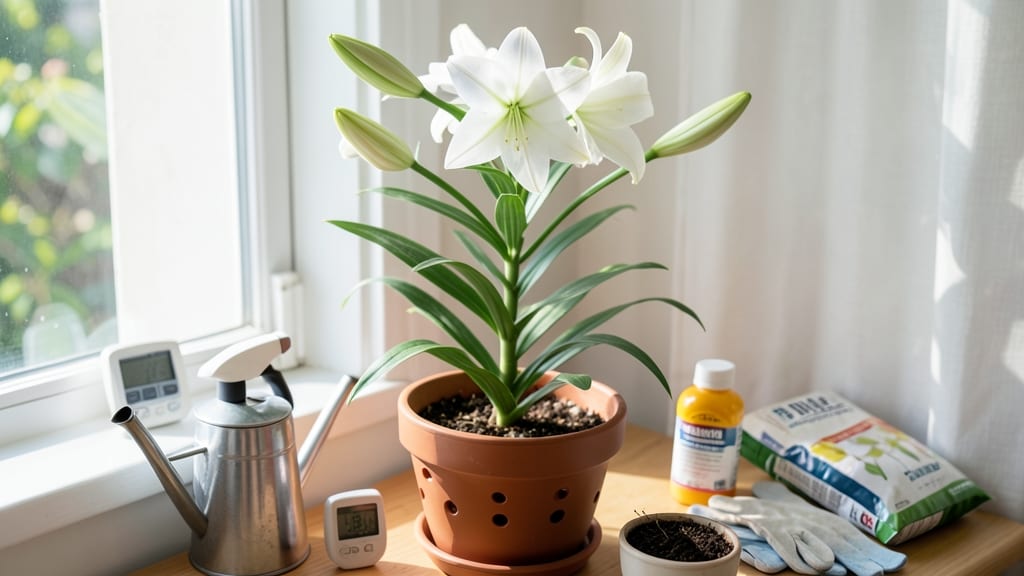
How to take care of lilies indoors transforms your home into a fragrant sanctuary without the fuss of outdoor gardening. 🌿 I’ve kept my own houseplants alive for years, and lilies are the easiest blooming plants I’ve ever grown—just follow these simple steps to avoid the common mistakes that kill them. The secret lies in bright, indirect light and well-draining soil—most people overwater or cram lilies in dark corners, which leads to yellow leaves or no blooms. A 6-inch pot with drainage holes and a mix of potting soil and perlite keeps roots happy, while a south- or east-facing window gives them the light they crave without scorching. You’ll notice new growth within 2-3 weeks if you keep the soil lightly moist (never soggy) and fertilize monthly with a balanced houseplant food. The first blooms arrive in 8-12 weeks, and with the right care, your lilies will reward you with stunning, repeat blooms for years. Troubleshooting is simple: droopy leaves? Check the roots—if they’re mushy, you’re overwatering. No flowers? Boost the light or feed them more. Even black thumbs can master this!
📚 In This Guide
- What you need
- Instructions
- Tips and common mistakes
- Wrapping up and next steps
What you need
- ● Lily bulbs: Choose Asiatic, Oriental, or Martagon lilies (best for indoor pots). Buy 1–3 bulbs per 6-inch pot (or 3–5 for larger 10–12" containers).
- ● Well-draining potting mix: A blend of 50% peat or coco coir, 30% perlite, and 20% compost (avoid heavy garden soil!).
- ● Pot with drainage holes: Terracotta or ceramic pots (minimum 6" diameter per bulb). Add a 1–2" layer of gravel or pebbles at the bottom for drainage.
- ● Watering can with a narrow spout: For gentle, targeted watering (avoid soggy soil!).
- ○ Grow lights (optional but helpful): A full-spectrum LED bulb (10,000–15,000K) or a grow light fixture (12–16 hours/day if natural light is <6 hours/day).
- ● Trowel or small shovel: For planting bulbs without damaging them.
- ● Fertilizer: A balanced liquid fertilizer (10-10-10 or 20-20-20) or slow-release bulb fertilizer granules.
- ○ Mulch (optional): A thin layer of orchid bark or shredded coconut husk to retain moisture.
- ○ Humidity tray (optional): A shallow tray with pebbles and water to boost humidity (lilies love it!).
- ● Pruning shears: For trimming dead foliage after blooming.
Step-by-step guide to indoor lily care
Indoor lilies reward patience with bold blooms—here’s how to keep them happy without fuss.
🪴 Step 1: Position for Bright, Indirect Light
Place your lilies near an east or west-facing window where they’ll receive 4-6 hours of bright, indirect light daily. South-facing windows work too, but filter the light with a sheer curtain to prevent leaf scorch—you’ll notice crispy brown edges if it’s too intense. Rotate the pot quarter-turn weekly so all sides grow evenly. Avoid dim corners; leggy stems and sparse blooms signal a hunger for more light.
If natural light is limited, supplement with a grow light positioned 6-12 inches above the plant for 12-14 hours daily. LED grow lights with a 6500K color temperature mimic sunlight best. Watch for leaves that lean toward the light—this means the source needs repositioning.
💧 Step 2: Water Deeply and Maintain Moisture
Water lilies when the top 1-2 inches of soil feel dry to the touch, using room-temperature water to avoid shocking the roots. Pour slowly until water drains freely from the bottom, then empty the saucer after 10-15 minutes—soggy roots lead to rot. In winter, when heating dries the air, check soil moisture every 3-4 days; in summer, you may water daily during heatwaves.
Use a moisture meter for precision, aiming for 40-50% moisture in the soil. Overwatering is the #1 killer—yellowing leaves or mushy stems are red flags. If you’re unsure, wait an extra day. Lilies store water in their bulbs, so they tolerate brief dry spells better than soggy conditions.
☀️ Step 3: Feed and Prune for Continuous Blooms
Fertilize every 4-6 weeks during the growing season (spring through fall) with a balanced liquid fertilizer (10-10-10 or 20-20-20) diluted to half-strength. Pause feeding in winter when growth slows. You’ll see vibrant foliage and abundant blooms as a response—dull leaves mean it’s time to feed again. Flush the soil with water monthly to prevent salt buildup from fertilizers.
Deadhead spent blooms by snipping stems just above the next set of leaves to redirect energy into new flowers. Trim yellow or brown leaves at the base, but leave healthy foliage until it yellows naturally—this feeds the bulb for next year’s blooms. Avoid cutting back more than one-third of the plant at once; lilies handle gradual pruning better.
⏰ Step 4: Adjust Care for Seasonal Changes
In winter, reduce watering to every 7-10 days and stop fertilizing. Lilies enter dormancy when nights stay below 50°F, so move them away from heat vents or drafty windows. If leaves yellow and wilt, it’s natural—don’t panic. Resume normal care in early spring when new growth appears.
Watch for pests like aphids or spider mites, which thrive in dry indoor air. Wipe leaves with a neem oil solution (1 tsp neem oil + 1 quart water) if you spot sticky residue or fine webs. Increase humidity around the plant by placing the pot on a pebble tray with water—lilies love 40-60% humidity and bloom better when the air feels slightly damp.
Tips & tricks for perfect indoor lily care
Between us, these little details make all the difference between a lily that thrives and one that just survives. Let me share what I've learned after watching my own collection go from struggling to show-stopping.
The Light Factor: That 4-6 hours of bright, indirect light is non-negotiable—think of it as your lily's daily vitamin D. I noticed my plants stretching toward the window like they were reaching for a handshake, so I installed a small rotating shelf that lets me adjust positions weekly. Pro tip: If your south-facing window gets too intense, those sheer curtains aren't just decor—they're your lily's sunscreen.
Watering Wisdom: The 10-15 minute drainage rule is your best friend against root rot. I use a timer to remind myself to empty saucers, and trust me, that small habit saved my first lily from becoming a science experiment. For winter watering, I mark my calendar every 7-10 days—dormancy isn't the time to be overzealous. And if you're unsure about moisture levels, your finger is the best tool: stick it in that top 1-2 inches and let your lily tell you what it needs.
Fertilizer Timing: Those 4-6 week intervals during growing season are perfect, but here's what nobody tells you—the first feeding should happen about 4 weeks after repotting. I learned this the hard way when my lilies looked like they were protesting my "help." Also, that monthly flush is crucial—build up of salts in the soil is like giving your lily a slow poison. I use distilled water for flushing to avoid adding minerals that might upset the balance.
Pruning Precision: When deadheading, I always use clean, sharp scissors and make my cuts just above the next set of leaves. The key is to be surgical—don't rip stems, and never cut more than one-third of the plant at once. I've found that lilies respond beautifully to this gradual approach, almost like they're thanking me for not being too aggressive. And those yellow leaves? Let nature take its course—they're feeding the bulb for next season's blooms.
Pro Tips for Take Care Of Lilies Indoors
- Between us, these little details make all the difference between a lily that thrives and one that just survives.
- The Light Factor: That 4-6 hours of bright, indirect light is non-negotiable—think of it as your lily's daily vitamin D.
- Watering Wisdom: The 10-15 minute drainage rule is your best friend against root rot.
Frequently asked questions
Got questions about keeping your lilies happy indoors? You’re not alone! Here are some of the most common concerns—and straightforward answers—to help you troubleshoot and thrive with your blooms.
Can I grow lilies indoors year-round, or do they need a dormant period?
Most indoor lilies (like Lilium longiflorum or Lilium asiatic) can bloom year-round with consistent care, but they do benefit from a short "rest" after flowering. After blooms fade, reduce watering slightly and move them to a cooler spot (60–65°F) for 4–6 weeks to encourage new growth. Pro tip: If you skip this, they’ll still grow—but may produce fewer blooms!
Why are my lily leaves turning yellow or brown?
Yellowing leaves often signal overwatering or poor drainage. Brown edges or crispy tips? That’s usually low humidity or fluoride buildup from tap water. Fix it: Water only when the top 1–2 inches of soil are dry, use room-temperature water, and place a tray of pebbles with water nearby to boost humidity. Avoid soggy soil—lilies hate "wet feet"!
How often should I fertilize indoor lilies, and what’s the best type?
Feed your lilies every 4–6 weeks during active growth (spring to fall) with a balanced liquid fertilizer (like 10-10-10) diluted to half-strength. Skip fertilizer in winter unless you’re growing them under grow lights. Bonus tip: Use a slow-release bulb fertilizer at planting time for a steady nutrient boost!
Are there low-maintenance lily alternatives for beginners?
If lilies feel too fussy, try these easier indoor bloomers:
- Peace Lilies (Spathiphyllum): Thrives in low light and forgives occasional watering slips.
- Anthuriums: Bold, long-lasting blooms with minimal care—just keep soil lightly moist.
- African Violets: Compact, colorful, and happy in bright indirect light.
All three tolerate indoor air better than true lilies and are pet-friendly (unlike lilies, which are toxic to cats/dogs).
My lily bulbs smell bad—what’s wrong?
Foul odors usually mean rot from overwatering or bacterial/fungal infections. Act fast:
- Remove the bulb from the pot and trim any mushy, discolored parts with sterilized scissors.
- Repot in fresh, sterilized soil and a clean container.
- Water lightly and avoid wetting the bulb until new growth appears.
If the bulb is completely soft, it’s likely beyond saving. Prevent future issues by ensuring pots have drainage holes and never letting bulbs sit in water!
Wrapping up and next steps
Caring for lilies indoors is a rewarding way to bring bold beauty into your home with just a little effort! Remember, the key is bright, indirect light, well-draining soil, and moderate watering—plus a touch of patience as they adjust.
With these simple steps, your lilies will flourish year-round, filling your space with stunning blooms and fresh fragrance.
Now that you’re armed with the know-how, why not expand your indoor garden? Try pairing lilies with other low-maintenance plants like snake plants or pothos for an effortless, lush display. Happy gardening! 🌸