
Pruning
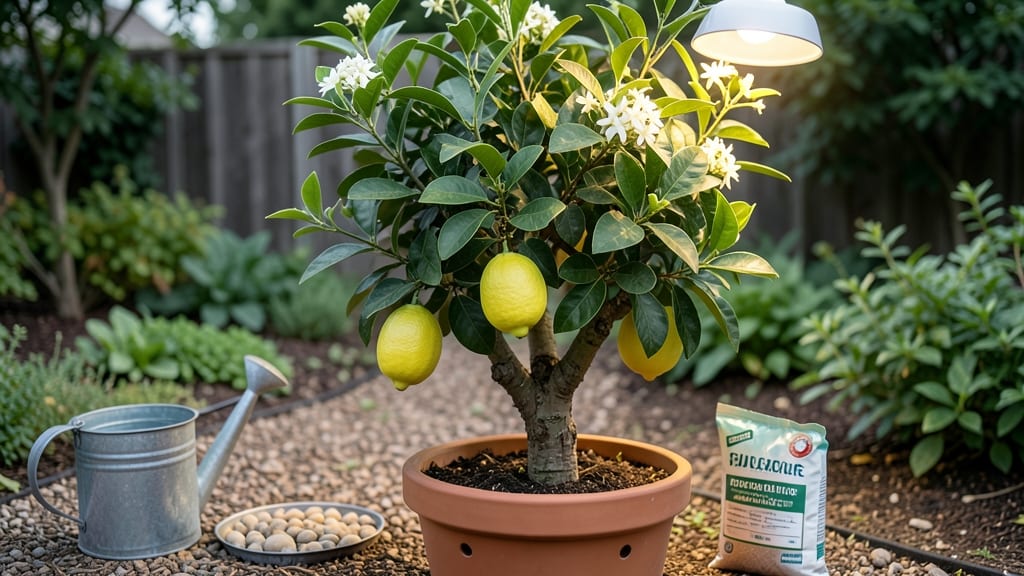
How to take care of a lemon tree indoors means sunshine, patience, and a few simple tricks. 🌱 I’ve turned my kitchen into a citrus grove—starting with a single bare-root sapling that now produces lemons every winter. The key isn’t complicated: it’s about mimicking the Mediterranean climate where these trees thrive, even in a 10x10-foot apartment.
You’ll need bright light—south-facing windows or a grow light for 6-8 hours daily—and well-draining soil (cactus mix works). Water when the top inch feels dry, but never let it sit soggy.
Prune leggy branches in early spring to encourage bushier growth, and fertilize lightly every 2 months with citrus-specific food. The first year is about establishing roots; blooms and fruit take patience.
What you’ll end up with is a fragrant, leafy tree that rewards you with tiny, tart lemons by winter. The scent alone—bright and zesty—makes it worth the effort.
Even better? You’ll troubleshoot issues like leaf drop (usually overwatering) or yellowing leaves (nutrient deficiency) with confidence. No green thumb required, just consistency.
This method works for Meyer lemons, Eureka varieties, or even dwarf types. Adjust light in winter when days shorten, and watch your tree thrive year-round. Ready to grow your own citrus? Let’s get started.
📚 In This Guide
- What you need
- Instructions
- Tips and common mistakes
- Wrapping up and next steps
What you need
- ● Lemon Tree (Citrus limon) – Choose a dwarf variety (like 'Meyer' or 'Eureka') for indoor spaces. Look for a healthy, 1-3 year old tree with firm leaves and no pests.
- ● Pot with Drainage – A 12-16 inch diameter container with drainage holes (terracotta or ceramic works best). Ensure it’s 2-3 inches larger than the root ball.
- ● Well-Draining Potting Soil – A mix of 50% citrus-specific soil and 50% perlite or coarse sand (or a pre-mixed cactus/succulent blend). Avoid heavy garden soil!
- ● Grow Lights (or Sunny Window) – A full-spectrum LED grow light (12-16 hours/day) if natural light is <10 hours/day. South-facing windows are ideal for sun exposure.
- ● Watering Can with Spout – A 1-gallon capacity with a gentle spray nozzle for hydration without oversaturating.
- ● Fertilizer – A balanced citrus fertilizer (e.g., 8-8-8 or 10-10-10 NPK) or a slow-release citrus-specific pellet. Follow label instructions for dosage.
- ● Humidity Tray or Pebble Tray – A shallow tray filled with pebbles and water to maintain 40-60% humidity (especially in dry climates).
- ● Pruning Shears – Sharp, sterilized shears (or small scissors) for trimming dead/branching growth.
- ○ Spray Bottle with Water – For misting leaves (optional but helpful in low-humidity areas).
- ● Citrus Food Supplement – A micronutrient mix (like Epsom salt or a citrus-specific boost) to prevent deficiencies (e.g., yellow leaves).
- ● Automatic Timer – For grow lights or misting systems to keep routines consistent.
- ● Repotting Kit – Includes fresh soil, gloves, and a larger pot for when your tree outgrows its container (every 2-3 years).
- ● Pest Control – Neem oil spray or insecticidal soap for aphids or spider mites (keep on hand!).
- ● Decorative Accents – Cute pots, saucers, or citrus-themed decor to make your tree the star of your space! 🌿✨
Step-by-Step indoor lemon tree care routine
Here's the method I've used to keep my Meyer lemon tree thriving for over five years—no green thumb required.
☀️ Step 1: Position for Maximum Light Exposure
Place your lemon tree within 3-6 feet of a south-facing window where it receives 6-8 hours of direct sunlight daily. East or west windows work too, but supplement with a grow light for 14-16 hours/day if natural light falls short. You'll notice leaves turning yellow or stems stretching toward light—these are clear signs your tree needs more intensity.
Rotate the pot quarter-turn weekly so all sides receive even exposure. This prevents lopsided growth and ensures the tree develops uniformly. In winter, when daylight shortens, extend light exposure with a full-spectrum LED grow bulb placed 12-18 inches above the canopy. The goal is to mimic spring/summer light conditions year-round.
💧 Step 2: Master the Watering Balance
Water when the top 2-3 inches of soil feel dry to touch—this usually means every 5-7 days, but adjust based on humidity and temperature. Overwatering is the #1 killer of indoor citrus, so always check with your finger before reaching for the watering can. I use a moisture meter for accuracy, aiming for moderately moist (not soggy) soil.
Use room-temperature water to avoid shocking roots. Pour slowly until water drains freely from the bottom holes, then empty the saucer after 10-15 minutes to prevent root rot. Lemon trees need good drainage—if you don't see water exiting quickly, your pot may be too small or the mix too dense.
🪴 Step 3: Feed and Repot for Healthy Growth
Fertilize monthly during spring and summer with a balanced citrus fertilizer (6-6-6 or 8-8-8 ratio) diluted to half-strength. Reduce to every 6-8 weeks in fall/winter when growth slows. I mix fertilizer into the top inch of soil rather than applying to the surface—this prevents leaf burn and ensures roots absorb nutrients evenly.
Repot every 2-3 years or when roots circle the pot. Choose a container 2-3 inches larger in diameter with fresh well-draining potting mix (equal parts peat moss, perlite, and sand). The key is to disturb roots minimally—gently loosen any tight coils before placing in the new pot. After repotting, hold off on fertilizer for 4-6 weeks to avoid burning tender new roots.
✂️ Step 4: Prune for Shape and Fruit Production
Prune in late winter or early spring before new growth begins. Remove dead, crossing, or crowded branches first, then shape by cutting just above a leaf node (the bump where leaves attach). Aim to maintain an open center—this improves air circulation and sunlight penetration, both critical for fruit development.
Thin out overcrowded fruit clusters to 3-5 lemons per branch in summer. Too many fruits drain the tree's energy, resulting in small, bitter lemons. Use sterilized pruning shears and make cuts at a 45-degree angle just above an outward-facing bud. Wipe shears with rubbing alcohol between cuts to prevent disease spread.
🌿 Step 5: Monitor for Pests and Seasonal Adjustments
Check leaves weekly for spider mites, scale, or aphids—common indoor citrus pests. Wipe leaves with a neem oil solution (1 tsp per quart of water) if you spot webbing or sticky residue. For severe infestations, isolate the tree and treat with insecticidal soap, repeating every 5-7 days until pests disappear.
In winter, when humidity drops below 40%, place the pot on a pebble tray with water or use a humidifier nearby. Lemon trees thrive in 50-60% humidity—brown leaf tips are your first sign the air is too dry. Also, reduce watering slightly in winter as growth slows, but never let soil dry completely.
Tips & tricks for perfect indoor lemon tree care
Keeping your Meyer lemon tree thriving indoors takes a few strategic moves—here's how to avoid the pitfalls I've seen so many beginners face.
Light Exposure Strategy: That 6-8 hours of direct sunlight in Step 1 is non-negotiable for fruit production. If your south-facing window isn't cutting it, invest in a full-spectrum LED grow light—I've seen trees double their lemon output in winter using one. Position it 12-18 inches above the canopy to mimic natural sunlight angles. Watch for leaves stretching toward light (a sign called "etiolation")—this means your tree's desperate for more intensity.
Watering Wisdom: The top 2-3 inches dry rule in Step 2 is your safety net, but here's the secret: water quality matters just as much. Use room-temperature water (cold water shocks roots) and always let excess drain completely for 10-15 minutes—this prevents the dreaded root rot. Pro tip: I water in the morning so the tree has all day to absorb moisture before nighttime humidity spikes. And never, ever let your lemon tree sit in saucer water—citrus roots hate soggy feet.
Fertilizer Timing: That monthly spring/summer feeding schedule in Step 3 works wonders, but timing is everything. I mix my diluted fertilizer into the top inch of soil rather than pouring it on top—this prevents leaf burn and ensures roots get a steady feed. The 4-6 week fertilizer break after repotting is crucial too; new roots are tender and can't handle nutrients right away. Think of it like giving your tree a recovery period after surgery.
Pruning Precision: When you're thinning those fruit clusters to 3-5 lemons per branch in Step 4, here's what nobody tells you: size matters. Small lemons (under 2 inches) won't ripen properly indoors. If you're getting tiny fruit, it's either not enough light or too many lemons competing for energy. I always prune just above a leaf node—this is where new growth will sprout from, keeping your tree bushy and productive.
Pro Tips for Take Care Of A Lemon Tree Indoors
- Keeping your Meyer lemon tree thriving indoors takes a few strategic moves—here's how to avoid the pitfalls I've seen so many beginners face.
- Light Exposure Strategy: That 6-8 hours of direct sunlight in Step 1 is non-negotiable for fruit production.
- Watering Wisdom: The top 2-3 inches dry rule in Step 2 is your safety net, but here's the secret: water quality matters just as much.
Frequently asked questions
Got questions about keeping your indoor lemon tree thriving? Here are answers to the most common ones—so you can enjoy fresh lemons (and fewer headaches!) year-round.
How often should I water my indoor lemon tree?
Water your lemon tree when the top 1-2 inches of soil feel dry. Overwatering is the #1 killer—stick your finger in the soil to check! In winter, reduce watering to every 2-3 weeks, as growth slows. Yellow leaves? You’re likely overdoing it.
Can I grow a lemon tree indoors from a grocery store lemon?
Save the seeds, dry them for 2-3 days, then plant in moist soil. But expect slow growth—it may take years to fruit. For faster results, buy a dwarf variety (like 'Meyer' or 'Improved Meyer') from a nursery. Patience is key!
Why are my lemon tree’s leaves turning yellow?
Yellow leaves usually mean overwatering, but check for these too:
- Too much sun (brown tips)
- Nutrient deficiency (pale yellow)
- Pests (sticky leaves = aphids)
How much sunlight does an indoor lemon tree really need?
At least 6-8 hours of bright, indirect light daily. South- or west-facing windows are ideal. If your home lacks natural light, supplement with a grow light (12-16 hours/day). Drooping leaves? It’s begging for more sun!
Do I need to prune my indoor lemon tree?
Yes! Prune in late winter/early spring to:
- Remove dead or crowded branches
- Shape it for better airflow (prevents disease)
- Encourage fruit production
Wrapping up and next steps
Caring for a lemon tree indoors is a rewarding journey that brings fresh citrus to your home year-round! With the right balance of light, water, pruning, and love, your tree will thrive and even reward you with fragrant blooms and tangy lemons.
Start small—like repotting or troubleshooting pests—and soon, you’ll be an indoor citrus pro!
Ready to take the next step? Try propagating your own lemon tree from a cutting or experiment with flavoring your homemade lemonade with your homegrown fruit. 🌱✨