
Trees
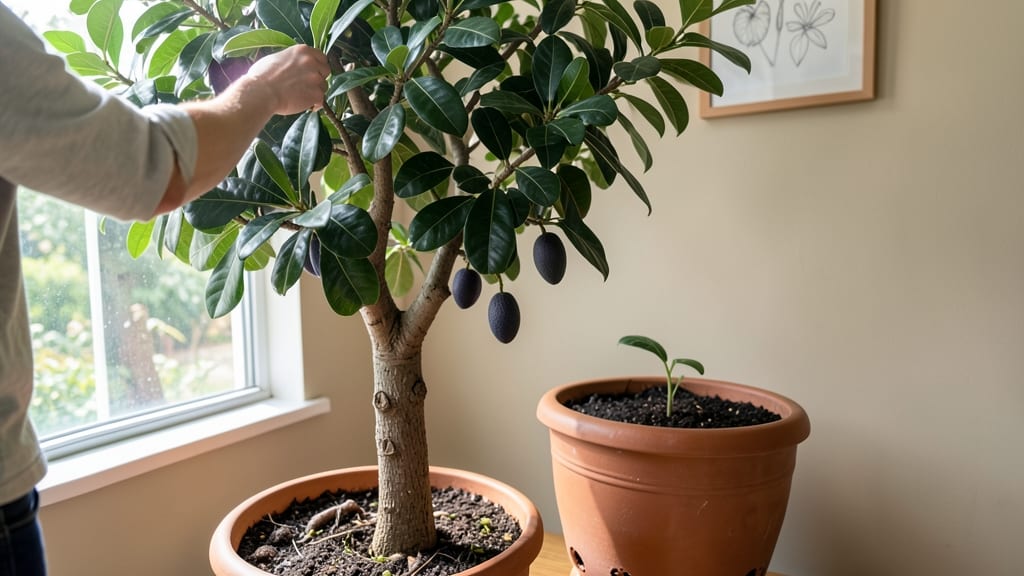
How tall do avocado trees grow indoors? They can reach up to 10 feet or more, but with the right care, you can keep them compact and manageable—even in small spaces.
Picture this: your 🥑 avocado tree thriving on a sunny windowsill, its glossy leaves reaching just above your head instead of towering toward the ceiling. That’s the magic of pruning and variety selection, but many gardeners overestimate how much space these trees truly need.
Light, pot size, and pruning habits are the key factors that determine whether your tree stays a 6-foot tabletop centerpiece or becomes an unruly giant. Dwarf varieties can stay under 5 feet, while standard types may stretch beyond 10 feet without intervention.
In this guide, I’ll break down the height ranges by variety, share pruning secrets to control growth, and show you how to spot when your tree is outgrowing its home—so you can enjoy your avocado tree without sacrificing your living room space.


Indoor avocado tree height limits by variety: smallest to tallest options
Choosing the right avocado tree variety is key when growing indoors, as height limits vary dramatically. Some varieties stay under 3 feet tall, while others can reach ceiling heights in just a few years.
The Mexican and West Indian varieties are your best space-saving options, while Hass trees (the most common) grow much taller unless pruned aggressively. Let’s explore your options to match your indoor space.
Your ceiling height and available floor space will determine which avocado variety you can successfully grow indoors. A 6-foot ceiling might comfortably accommodate a Mexican dwarf variety but could feel cramped with a standard Hass tree.
Always consider the mature height of the variety you choose, as indoor avocados rarely reach their full outdoor potential—but they can still grow surprisingly fast with ideal conditions.
Here’s a breakdown of the smallest to tallest indoor-friendly avocado varieties, including their height ranges, growth rates, and ideal conditions for keeping them manageable:
The Mexican varieties, like 'Lamb Hass,' are the ultimate space-savers for indoor growing. These dwarf avocado trees rarely exceed 3 feet tall and thrive in small pots, making them perfect for apartment balconies or even desk-side growing.
They also produce fruit faster than larger varieties, so you’ll enjoy harvests sooner. Just ensure they get bright indirect light and consistent watering to stay compact.
If you have a bit more space, West Indian varieties like 'Fuerte' offer a happy medium. They typically reach 3–5 feet tall indoors and grow at a steady pace, making them ideal for living rooms or sunrooms.
These trees are also more drought-tolerant than Mexican varieties, which can be a plus if you occasionally forget to water. Pair them with a 10–12 inch pot to encourage slower, bushier growth.
For those with high ceilings or a passion for larger avocado trees, the Hass variety is a popular choice—but it requires careful management. Without pruning, Hass trees can easily reach 10 feet or more indoors, which is why they’re better suited for greenhouses or conservatories.
If you love Hass avocados, opt for a dwarf grafted Hass (available from specialty nurseries) to keep heights under 6 feet.
Light conditions play a huge role in controlling height. Place your avocado tree near an east or west-facing window for 6+ hours of bright indirect light daily. Avoid south-facing windows, as direct afternoon sun can scorch leaves and encourage rapid, leggy growth.
Supplement with a grow light in winter if natural light drops below 4 hours, or you’ll see stunted growth and taller, weaker stems.
Pot size also impacts height. A smaller pot (under 10 inches) will naturally restrict root growth, slowing the tree’s height increase. However, root-bound stress can occur quickly, so upgrade to a 12–15 inch pot every 1–2 years to keep your tree healthy.
Always use a well-draining cactus/succulent mix to prevent root rot, which can stunt growth entirely.
How to control avocado tree height indoors: pruning and training techniques
Indoor avocado trees can grow 6 to 20 feet tall if left unchecked, but with strategic pruning and training, you can keep them at a manageable 3 to 6 feet—perfect for living spaces.
The key is timing and technique. Prune during spring and summer when the tree is actively growing, avoiding winter dormancy. This ensures your tree stays healthy while staying within your space constraints.
Before you reach for your shears, gather the right tools: sterilized pruning shears, sharp bypass pruners, and rubbing alcohol for cleaning cuts. You’ll also need a support stake or trellis for training, especially if you’re growing a taller variety.
Always disinfect your tools between cuts to prevent disease spread, which is critical for indoor plants with limited airflow.
- Step 1: Identify Growth Spurts Prune after new leaves appear in spring or summer to encourage bushier growth. Avoid cutting during dormancy (fall/winter) as this stresses the tree.
-
Step 2: Choose Your Pruning Style
- Topping: Cut the main stem to desired height (e.g., 5 feet) to control vertical growth.
- Thinning: Remove 1/3 of inner branches to improve airflow and light penetration.
- Step 3: Make Clean Cuts Cut just above a leaf node (growth point) at a 45-degree angle to prevent water pooling. Avoid leaving stubs, which invite disease.
- Step 4: Train with Stakes or Trellises Use a bamboo stake or flexible trellis to guide new growth. Tie branches gently with soft plant ties to avoid damaging bark.
- Step 5: Address Root-Bound Issues If roots circle the pot, repot every 2-3 years or trim roots gently with sterilized scissors before pruning to reduce stress.
- Step 6: Shape for Balance Prune opposite branches evenly to maintain symmetry. Remove weak or crossing branches first to prioritize strong structure.
Pruning isn’t just about height control—it’s also about encouraging fruit production if you’re growing a fruiting variety. When you prune, you stimulate lateral branching, which increases the number of potential fruit-bearing spots.
For example, a Mexican avocado variety like ‘Lamb Hass’ responds well to heavy pruning, staying compact while producing fruit.
After pruning, monitor your tree for new growth within 4-6 weeks. If you notice yellowing leaves or stunted growth, you may have pruned too aggressively. In this case, reduce future cuts by 20-30% and focus on light trimming to shape rather than drastically reduce height.
Always step back and assess the tree’s overall shape—balance is key!
For root-bound trees, combine pruning with repotting to refresh the soil and roots. Choose a pot 2-4 inches larger in diameter than the current one, and use a well-draining cactus/succulent mix to prevent root rot.
This combo keeps your tree healthy and manageable, even in small spaces. With consistent care, your indoor avocado will thrive at your desired height—no skyscraper needed! 🪴