
Container Gardens
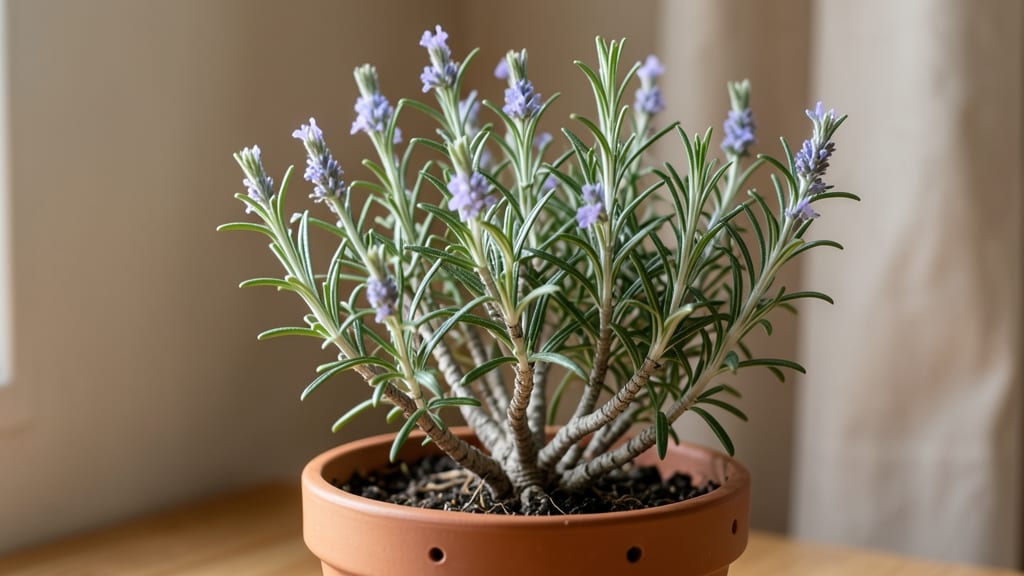
Growing rosemary indoors is the fastest way to turn your kitchen into a fragrant herb haven. 🌿 I’ve had my rosemary plant thriving on a sunny windowsill for over a year, and the secret isn’t complicated—just matching its Mediterranean roots to your indoor setup.
The right variety, container, and care routine make all the difference, and I’ll show you exactly how to nail it.
You’ll need just a few simple supplies: a well-draining pot (at least 6 inches deep), cactus or terracotta mix, and a sunny spot where it gets 6+ hours of light daily.
Rosemary hates soggy soil, so skip the heavy potting mix—this plant loves to dry out between waterings. Once you’ve got those basics, it’s all about consistency with water, light, and pruning.
Within 3-4 months, you’ll be harvesting fresh sprigs for cooking, and the piney aroma will make your kitchen smell like a Tuscan countryside. The key is pruning regularly to encourage bushier growth, and avoiding overwatering (that’s how most indoor rosemary plants fail).
This method works for any sunny window or grow light setup, and you can even propagate new plants from cuttings. Let’s get yours growing strong!
📚 In This Guide
- What you need
- Instructions
- Tips and common mistakes
- Wrapping up and next steps
What you need
- ● Rosemary plant: Start with a healthy, 6-12-inch-tall nursery-grown rosemary (Upright or Prostratus varieties work best).
- ○ Container: A 5-7-inch diameter pot with drainage holes (terracotta or ceramic preferred). Optional: Add a saucer for water drainage.
- ● Well-draining potting mix: A blend of cactus/succulent mix + perlite/vermiculite (50/50 ratio) for aeration.
- ● Drainage layer: 1-2 inches of gravel or pumice at the pot’s bottom to prevent root rot.
- ● Sunlight source: A south-facing window (6+ hours of direct light daily) or a grow light (12-16 hrs/day).
- ● Watering can: With a narrow spout to avoid overwatering.
- ● Pruning shears: Sharp, clean scissors (sterilize with rubbing alcohol).
- ● Humidity tray: A shallow tray with pebbles + water to boost air moisture.
- ● Fertilizer: Balanced liquid fertilizer (10-10-10) or organic options like fish emulsion (diluted to half-strength).
- ● Support: A small bamboo stake if your rosemary grows tall and leggy.
- ● Thermometer/hygrometer: To monitor ideal temps (60–75°F) and humidity (40–60%).
Step-by-step guide to growing rosemary indoors
Here’s how to cultivate thriving rosemary plants indoors—fast, fragrant, and foolproof.
🪴 Step 1: Choose the Right Container and Soil Mix
Rosemary thrives in well-draining soil and containers with drainage holes. I recommend a 5-6 inch diameter pot for each plant, as rosemary has deep roots and needs space to establish. Terra cotta pots work best—they wick away excess moisture and prevent root rot.
Use a lightweight potting mix blended with 20% perlite or coarse sand to improve aeration. Avoid garden soil or heavy mixes, which retain too much moisture and suffocate roots. Fill the pot to 1 inch below the rim, leaving room for watering. Tap the container gently to settle the soil without compacting it.
☀️ Step 2: Position for Maximum Sunlight
Rosemary is a sun-loving herb and needs at least 6-8 hours of direct sunlight daily. Place your pots near a south- or west-facing window where the light is strongest. If natural light is insufficient, supplement with a grow light positioned 6-12 inches above the plant for 12-14 hours per day.
You’ll know your rosemary is getting enough light when the leaves are deep green and compact. If the stems stretch excessively or the leaves turn pale, it’s a sign of light deficiency. Rotate the pot quarter-turn weekly to ensure even growth and prevent lopsided plants.
💧 Step 3: Water Sparingly and Deeply
Overwatering is the fastest way to kill rosemary. Water only when the top 1-2 inches of soil feel completely dry—this usually means every 7-10 days, depending on your home’s humidity. When watering, soak the soil until water drains freely from the bottom of the pot, then empty the saucer to prevent soggy roots.
Rosemary is drought-tolerant once established, so underwatering is better than overwatering. You’ll notice healthy plants have silvery-green, aromatic leaves and a woody stem base. Yellowing leaves or a mushy stem are signs of overwatering, while crispy, brown edges indicate underwatering. Adjust your watering schedule based on these cues.
✂️ Step 4: Prune for Bushier Growth and Harvest Regularly
Pruning encourages rosemary to grow fuller and prevents it from becoming leggy. Use clean, sharp scissors to trim back one-third of the longest stems in early spring. Always cut just above a leaf node to promote new growth. Avoid cutting into woody stems, as rosemary struggles to regrow from bare wood.
Harvest leaves sparingly—never take more than one-third of the plant at a time. The best time to harvest is just before flowering, when the leaves are most fragrant. Strip leaves from the stem with your fingers or snip small sprigs. Use fresh or dry the leaves for culinary use, but avoid over-harvesting, which weakens the plant.
🌿 Step 5: Fertilize Lightly and Monitor for Pests
Rosemary doesn’t need much fertilizer—too much can burn its roots. Once a month during spring and summer, apply a balanced, water-soluble fertilizer (like 10-10-10) at half-strength. Mix the diluted fertilizer into water and apply it to the soil, avoiding the leaves. Skip fertilizing in fall and winter, when the plant is dormant.
Check leaves regularly for spider mites or aphids, which thrive in dry indoor environments. Wipe leaves with a damp cloth to remove pests, or spray with neem oil if infestations occur. Keep your rosemary in a humidity-controlled space (40-60% humidity) to deter pests naturally. A pebble tray with water beneath the pot can help maintain ideal humidity levels.
Tips & tricks for perfect indoor rosemary growth
Here's what nobody tells you about keeping rosemary thriving indoors—these are the secrets I wish I'd known when my first plant turned into a sad, leggy shadow.
Container Size Matters: That 5-6 inch pot recommendation isn't just arbitrary—rosemary's deep roots need space to establish. If you're tempted to use a smaller pot to save space, resist! Roots that get crowded will eventually suffocate, leading to stunted growth. I've seen rosemary plants in 4-inch pots struggle even with perfect care, while the same variety in 6-inch pots thrived. Consider upgrading your container if you notice roots circling the bottom.
Light is Non-Negotiable: The 6-8 hours of sunlight isn't just a suggestion—it's the absolute minimum for healthy rosemary. If your windows don't get that much light, invest in a quality grow light. I've had terrible luck with cheap LED bulbs that promise full-spectrum light but deliver weak results. Place the grow light 6-12 inches above the plant and keep it on for 12-14 hours daily. Watch for those telltale signs of light deficiency: pale stems and leaves that stretch toward the light like they're reaching for salvation.
Watering Wisdom: The "wait until top 1-2 inches are dry" rule is brilliant, but here's the catch: rosemary's drought tolerance kicks in after establishment. When you first bring a rosemary plant indoors, it's more sensitive to water fluctuations. Start by watering every 5-7 days until you see that woody stem base develop—then you can stretch it to every 7-10 days. The key is always to let excess water drain completely; soggy roots are rosemary's kryptonite.
Pruning Payoff: That early spring pruning isn't just about aesthetics—it's about forcing the plant to grow bushier. When you trim back one-third of the longest stems, you're essentially telling the rosemary, "Grow sideways, not up!" This creates more leaf surface area for photosynthesis. And here's a pro move: save those pruned stems. Place them in water and watch them root—you'll have baby rosemary plants in just a few weeks. Just make sure to cut just above a leaf node, where new growth will emerge.
Pro Tips for Growing Rosemary Indoors
- Here's what nobody tells you about keeping rosemary thriving indoors—these are the secrets I wish I'd known when my f...
- Container Size Matters: That 5-6 inch pot recommendation isn't just arbitrary—rosemary's deep roots need space to est...
- Light is Non-Negotiable: The 6-8 hours of sunlight isn't just a suggestion—it's the absolute minimum for healthy rose...
Frequently asked questions
Got questions about growing rosemary indoors?
You’re not alone! Here are answers to the most common queries—from sunlight struggles to harvesting tips—so you can keep your fragrant herb thriving year-round.
How much sunlight does rosemary need indoors?
Rosemary craves 6–8 hours of bright, direct light daily. Place it near a south- or west-facing window, or supplement with a grow light (12–16 hours/day) if natural light is weak. Yellowing leaves? It’s begging for more sun!
How long does it take for rosemary to grow indoors?
With proper care, rosemary grows slow but steady—expect visible growth in 4–6 weeks. Pruning regularly (every 2–3 months) encourages bushier growth. Patience pays off: mature plants (12+ inches) yield harvests in 6–12 months.
Why is my rosemary dying? (Brown tips, wilting, etc.)
Brown tips? Overwatering or low humidity—rosemary hates soggy soil. Let the top inch dry between waterings, and mist leaves occasionally. Yellow leaves? Underwatering or poor drainage. Use a pot with drainage holes and well-draining soil to prevent root rot.
Can I grow rosemary from a grocery store cutting?
Snip a 4–6 inch stem (with leaves), remove lower leaves, and place it in water or moist soil. Keep it in bright, indirect light until roots form (2–4 weeks). Once rooted, transplant to a pot with fresh soil. Pro tip: Dip the cutting in rooting hormone for faster success!
When and how should I harvest rosemary indoors?
Harvest sprigs anytime, but avoid cutting more than 1/3 of the plant at once. Use sharp scissors to snip just above a leaf node. For best flavor, harvest before flowering. Dry sprigs by hanging upside-down in a dark, warm spot for 2–3 weeks.
What if my rosemary gets too large for its pot?
Rosemary is happy in small pots, but if roots circle the drainage hole, it’s time to repot. Choose a container only 1–2 inches larger in diameter, and prune 1/3 of the plant to encourage fuller growth. Do this every 2–3 years.
Wrapping up and next steps
Growing rosemary indoors isn’t just possible—it’s rewarding! With the right setup, you’ll enjoy fresh, fragrant herbs year-round, perfect for cooking or adding a touch of green to your space. Start small, stay patient, and soon you’ll be harvesting your own homegrown rosemary like a pro.
Ready to take the next step? Pick your favorite rosemary variety and grab your supplies—your kitchen (and taste buds) will thank you! 🌿✨