
Planting
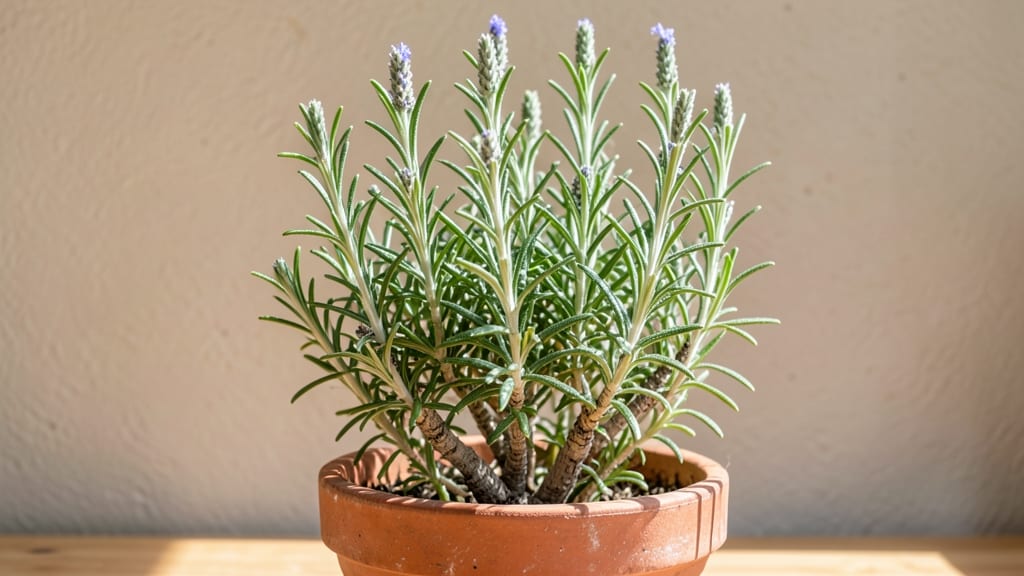
Growing a rosemary plant indoors transforms your kitchen into a fragrant herb haven. 🌿 I’ve learned that rosemary thrives in sunny windows with minimal fuss—no greenhouse needed. The key is matching its Mediterranean roots to your home’s light and soil conditions.
Start with a 6-inch pot and well-draining soil mix (cactus or succulent blend works). Place it where it gets 6+ hours of sunlight daily—south-facing windows are ideal. Overwatering kills rosemary faster than anything else, so let the soil dry completely between waterings.
Within weeks, you’ll see fresh green needles and that signature piney scent. Prune occasionally to encourage bushiness, and harvest stems anytime for cooking. The best part? Your herb stays productive for years with the right care.
This works for any sunny spot, from kitchens to sunrooms. Let’s get that rosemary growing!
📚 In This Guide
- What you need
- Instructions
- Tips and common mistakes
- Wrapping up and next steps
What you need
- ● Rosemary plant: A healthy, 4–6-inch potted rosemary (preferably Rosmarinus officinalis for culinary use). Choose one with sturdy stems and vibrant green needles.
- ● Pot: A drainage-friendly container (6–8 inches in diameter) with holes at the bottom. Terracotta or ceramic works best—just avoid plastic traps moisture!
- ● Well-draining potting mix: A blend of cactus/succulent soil (60%) + perlite or coarse sand (40%) for aeration. Avoid garden soil—it’s too dense!
- ● Gravel or pebbles: A 1-inch layer at the pot’s base for extra drainage.
- ● Watering can: A spouted can with a narrow tip to water at the soil’s base (no overhead dousing!).
- ● Pruning shears: Sharp, sterilized scissors (or clean kitchen shears) for trimming.
- ● Grow lights: A full-spectrum LED bulb (12–14 hours/day) if your window lacks bright light.
- ● Humidity tray: A shallow tray with pebbles + water to boost moisture (rosemary loves 50–70% humidity).
- ● Fertilizer: A balanced liquid fertilizer (diluted to ½ strength) for occasional feeding (spring–fall).
- ● Spray bottle: For light misting if your home is dry.
- ● Support stake: A small bamboo stake if your rosemary grows tall (6+ inches).
Step-by-step instructions for growing rosemary indoors
Here's the no-fuss method I've used to keep rosemary thriving for years—no green thumb required.
🪴 Step 1: Choose the Right Container and Soil
Rosemary hates soggy roots, so pick a terracotta pot with drainage holes—unglazed ones work best because they wick away excess moisture. A 5-7 inch diameter container gives roots room to spread without overcrowding. Fill the bottom with 1 inch of coarse gravel or pumice to improve drainage, then add high-quality potting mix mixed with 20% perlite for aeration.
Press the soil down lightly until it's firm but not compacted. The mix should hold together when squeezed but crumble easily with gentle pressure. Avoid garden soil—it compacts in containers and suffocates roots. I like to add a handful of sand to the mix for extra grit, which mimics rosemary's Mediterranean native soil.
☀️ Step 2: Position for Bright, Direct Light
Rosemary needs 6-8 hours of direct sunlight daily—a south-facing window is ideal. If your space only gets morning sun, rotate the pot quarter-turn daily so the plant grows evenly. You'll notice leaves yellowing or stretching toward light if it's not getting enough—this is your cue to move it closer to the window or supplement with a grow light for 14-16 hours daily.
In winter, when daylight is shorter, I place my rosemary under a full-spectrum LED grow light positioned 6 inches above the plant. Keep the light on a timer to maintain consistent light exposure. Avoid drafty windows—rosemary dislikes cold air currents, which can stress the plant and cause leaf drop.
💧 Step 3: Water Sparingly and Only When Necessary
Water rosemary only when the top 1-2 inches of soil feel completely dry to the touch. Stick your finger in—if it comes out clean, it's time to water. Overwatering is the #1 killer of indoor rosemary, leading to root rot and yellowing leaves. When you water, do so thoroughly until water runs out the drainage holes, then empty the saucer immediately to prevent soggy roots.
I use room-temperature water to avoid shocking the roots, and I water at the base of the plant rather than from above to keep leaves dry. Humidity isn't critical for rosemary, but if your home is very dry, a occasional misting can help—just don't let water pool on the leaves, which encourages fungal issues.
✂️ Step 4: Prune Regularly to Encourage Bushiness
Pinch off the top set of leaves when the plant is about 6 inches tall to encourage branching. Use clean, sharp pruning shears to make 45-degree cuts just above a leaf node. This prevents the plant from growing leggy and promotes a fuller, bushier shape. You can also trim back woody stems in early spring to rejuvenate growth—just don't cut more than one-third of the plant at once.
Harvest sprigs regularly by snipping just above a leaf node. This stimulates new growth and keeps the plant compact. I like to harvest in the morning when the oils in the leaves are most concentrated. After pruning or harvesting, give the plant a light fertilizer application (like a balanced 10-10-10) to support new growth—just don't overdo it, as rosemary prefers lean soil.
🌿 Step 5: Monitor and Adjust for Year-Round Success
Check for pests like spider mites regularly—rosemary is susceptible to them in dry indoor air. Wipe leaves with a damp cloth weekly to remove dust and deter pests. If you spot mites, treat with neem oil or a soapy water spray. Rosemary also benefits from monthly feeding in growing season (spring-fall) with a diluted fish emulsion to replenish nutrients without over-fertilizing.
In winter, reduce watering slightly since growth slows, but keep the soil slightly moist—never let it dry out completely. If your rosemary starts dropping leaves, it's usually a sign of overwatering or low light. Adjust accordingly: move it to a brighter spot or let the soil dry out more between waterings. With these adjustments, your rosemary will stay lush and fragrant for years.
Tips & tricks for perfect indoor rosemary growth
Here's what nobody tells you about keeping rosemary thriving indoors—these are the details that separate a struggling plant from one that flourishes.
Container and Drainage: Unglazed terracotta pots are ideal because they wick moisture away naturally, but if you only have glazed pots, drill drainage holes yourself. I've seen rosemary plants saved by moving them to a new pot with proper drainage after just two weeks of yellowing leaves—don't wait until it's too late! The 5-7 inch diameter recommendation gives roots room to spread, but if you're growing multiple plants, consider a slightly larger container for better air circulation between stems.
Light Optimization: The 6-8 hours of direct sunlight is non-negotiable, but here's the trick: If your window isn't south-facing, place a mirror on the opposite wall to reflect additional light onto the plant. During winter, when natural light is scarce, position your grow light 6 inches above the plant and set it on a timer for 14-16 hours daily—this mimics summer daylight conditions. I've seen rosemary plants stretch dramatically toward light when they're not getting enough, so watch for that telltale sign of leggy growth.
Watering Wisdom: The finger test for watering is foolproof, but here's what I do differently: I water at the same time every 7-10 days (depending on season) to establish a routine. This prevents overwatering while ensuring the plant never gets stressed. When watering, let the excess drain completely—leaving water in saucers can lead to root rot. For extra insurance, I add a layer of pebbles on top of the soil to slow evaporation and keep the roots consistently moist without overwatering.
Pruning and Harvesting: When pinching back the top leaves at 6 inches tall, make sure to leave at least two sets of leaves below your cut—this ensures the plant has enough foliage to continue photosynthesizing. For harvesting, I always use clean scissors and cut just above a leaf node to encourage new growth. A little-known trick: Harvest in the morning when the essential oils are at their peak concentration, and you'll get the most flavorful sprigs for your cooking. After pruning, I give my plants a very light feeding of diluted fish emulsion to support regrowth.
Pro Tips for Rosemary Plant Indoors
- Here's what nobody tells you about keeping rosemary thriving indoors—these are the details that separate a struggling...
- Container and Drainage: Unglazed terracotta pots are ideal because they wick moisture away naturally, but if you only...
- Light Optimization: The 6-8 hours of direct sunlight is non-negotiable, but here's the trick: If your window isn't so...
Frequently asked questions
about growing rosemary indoors—because even the best gardeners need a little help sometimes!Can rosemary survive indoors with just a sunny windowsill?
Yes! Rosemary thrives indoors as long as it gets at least 6 hours of bright, direct sunlight daily—south- or west-facing windows are ideal. If natural light is limited, supplement with a grow light (12–14 hours/day). Without enough light, it may grow leggy or lose its aromatic scent.
How often should I water my indoor rosemary?
Water only when the top 1–2 inches of soil are completely dry—usually every 2–3 weeks (less in winter). Overwatering is the #1 killer! Rosemary prefers drought-like conditions and has shallow roots. Stick your finger in the soil to check—if it’s damp, wait a few more days.
Why is my rosemary turning yellow or dropping leaves?
Yellowing leaves or leaf drop usually mean overwatering, poor drainage, or low light. Check these fixes:
- Drainage: Ensure the pot has holes and use a well-draining soil mix (like cactus/succulent blend).
- Watering: Let soil dry out fully between waterings.
- Light: Move it closer to a sunny window or add a grow light.
- Pruning: Trim dead or yellow leaves to encourage new growth.
Does rosemary need cold temperatures to thrive indoors?
Not at all! Unlike outdoor rosemary, indoor varieties don’t need cold winters to rebloom. Keep it in a spot with moderate temps (60–75°F) and avoid drafts (like AC vents or heaters). If you notice wilting or slow growth, check for temperature extremes or sudden changes.
What are the best alternatives if rosemary is too finicky for me?
If rosemary feels too high-maintenance, try these low-fuss, aromatic indoor herbs:
- Thyme – Drought-tolerant and thrives in bright light.
- Oregano – Similar care needs but more forgiving.
- Mint – Grows aggressively (great for tea!) but needs consistent moisture.
- Parsley – Prefers cooler temps and indirect light.
For a rosemary-like flavor, try Mexican oregano or marjoram—both are hardier!
Wrapping up and next steps
Growing rosemary indoors is simpler and more rewarding than you might think—just a little sunlight, patience, and love go a long way! 🌿 With the right pot, soil, and care, you’ll enjoy fresh herbs year-round, whether for cooking, aromatherapy, or just the joy of nurturing life.
Ready to take the next step? Start small—place your rosemary near a bright window today and watch it thrive!
- 🌱 Pro Tip: Prune regularly to encourage bushier growth.
- 💧 Next Up: Experiment with harvesting sprigs for recipes!